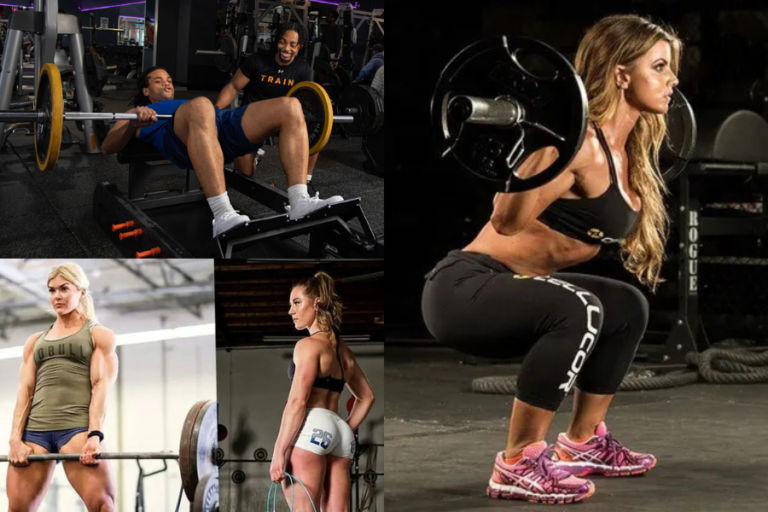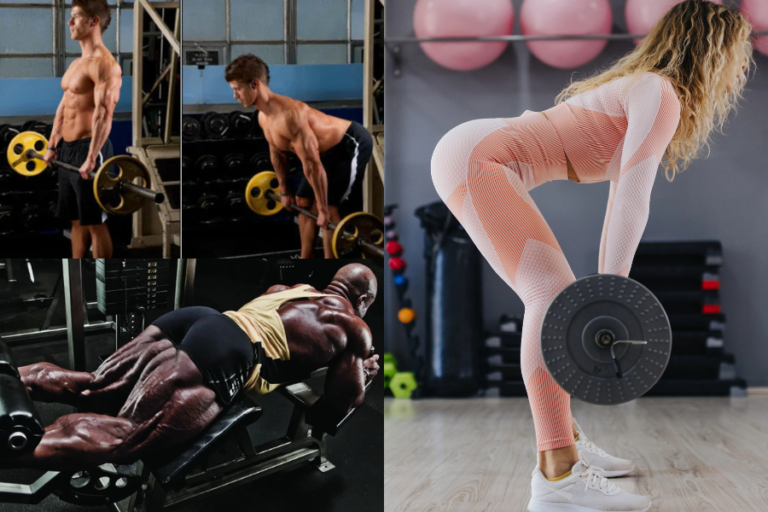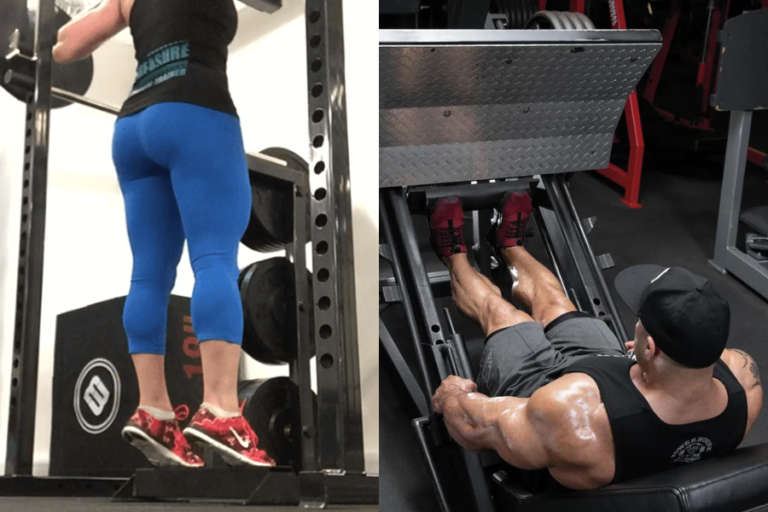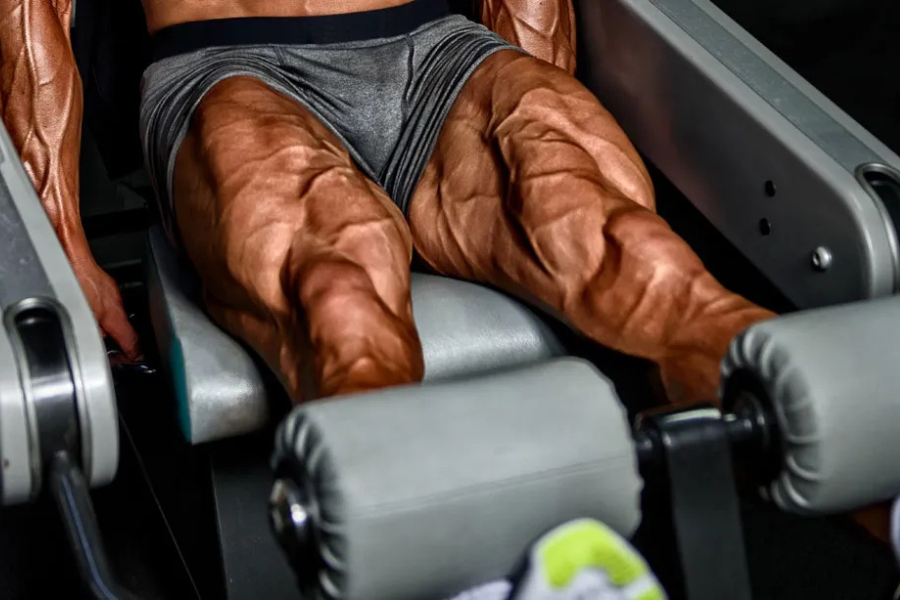
A strong set of quads does more than fill out your jeans. When you focus on quad exercises at home, you support your knees, move with more power, and make daily tasks like climbing stairs or getting up from the floor feel easier.
You do not need a squat rack or fancy machines to get results. With smart exercise choices, good form, and a bit of consistency, you can build serious quad strength in your living room.
Why your quads matter
Your quadriceps are the four muscles on the front of your thigh. They extend your knee and help stabilize your hip. You use them every time you stand up, walk, run, or jump.
Stronger quads can help you:
- Reduce stress on your knees and improve kneecap stability
- Protect your lower back by sharing the load during lifting
- Boost performance in sports that involve sprinting, jumping, or quick direction changes
When you design quad exercises at home around full range of motion and control, you get more muscle activation and better long term results than if you simply move heavy weights for short, partial reps.
How to warm up for quad workouts
Before any leg session, spend 5 to 10 minutes preparing your body. A good warmup increases blood flow, wakes up your joints, and reduces your risk of injury.
Start with light movement like marching in place, a short walk, or easy cycling if you have a bike. Then add a few dynamic moves that mimic your workout:
- Leg swings front to back and side to side
- Bodyweight good mornings
- Shallow squats and reverse lunges
Aim to feel a bit warmer and more mobile, but not tired. Once your legs feel loose and your heart rate is slightly elevated, you are ready to move into your main quad exercises.
Form principles for better quad gains
The quads respond best when you use controlled movements, a full range of motion, and enough effort. A few key principles will help you get more from every rep.
Use a full range of motion
For exercises like squats or step ups, focus on bending your knees until your thighs are at least parallel to the floor. In a 2026 Muscle & Fitness article, coaches highlighted that stopping short of this position reduces quad activation and leaves growth on the table.
Think of each rep as a stretch and squeeze:
- Lower until your knees are deeply bent, without pain
- Pause briefly at the bottom
- Drive back up while staying balanced over your midfoot
Focus on form, not heavy weight
At home, it is tempting to grab the heaviest objects you can find. The problem is that very heavy loads often lead to shallow, rushed reps. That means less work for your quads and more stress on your joints.
You get better results by:
- Using moderate resistance that allows full depth
- Controlling the lowering phase for 2 to 3 seconds
- Keeping your torso stable instead of folding forward
Slow, deep reps are harder, but they build more muscle than fast, half range reps with heavy weight.
Maintain proper squat mechanics
When your form slips in quad exercises at home, your lower back tends to absorb the extra stress. Common mistakes include:
- Leaning too far forward
- Pushing your hips too far back so the movement becomes all glutes
- Letting knees cave inward
Instead, keep your chest gently lifted, core braced, and knees tracking in line with your toes. Practicing this with bodyweight first will make every added load safer and more effective.
Best beginner quad exercises at home
If you are new to strength training, or coming back after a long break, start with basic bodyweight movements. They teach good positions and build enough strength to progress.
For each of the exercises below, you can begin with 2 sets of 10 to 12 repetitions after your warmup. When that feels comfortable, you can add a third set or increase reps gradually.
1. Bodyweight squats
Bodyweight squats are the foundation of most quad workouts. Stand with feet about hip to shoulder width apart, toes slightly turned out. Sit your hips down and slightly back as if you are lowering onto a chair, keeping your knees aligned over your toes.
Lower until your thighs are at least parallel to the floor if your mobility allows. Pause briefly, then push through the middle of your foot to return to standing. Keep your weight balanced and avoid rocking onto your toes or heels.
2. Static lunges
Static lunges teach balance and single leg strength without much movement of your feet. Start in a split stance, with one foot in front and one behind, about hip distance side to side so you feel stable.
Drop your back knee toward the floor, bending both knees, and keep your torso upright. Your front knee should point in the same direction as your toes. Press through your front foot to return to the top. Complete all reps on one side, then switch.
3. Step ups
If you have a sturdy chair, step, or low bench, step ups are an excellent quad focused move. Place one foot fully on the step, lean your weight forward slightly over that leg, and drive through your heel and the ball of your foot to stand tall.
Control your descent and lightly tap your back foot to the floor before the next rep. The working leg should do most of the lifting, so avoid pushing off hard from the floor.
4. Wall sits
Wall sits are an isometric hold that will light up your quads quickly. Stand with your back against a wall and walk your feet forward. Slide down until your knees are bent around 90 degrees and your thighs are parallel to the floor.
Press your lower back gently into the wall and hold. Start with 20 to 30 seconds, then build up over time. If your knees feel stressed, shift your feet slightly further forward and check that they are directly above your ankles.
Intermediate quad exercises you can do at home
Once you can perform the beginner moves with control, you can step up your challenge. These quad exercises at home add instability, range of motion, or load without requiring machines.
5. Walking lunges
Walking lunges train your quads, glutes, and balance at the same time. Step forward with one foot and lower into a lunge, then push off the back leg and step directly into the next lunge with the other leg.
Keep your steps controlled and your torso tall. Aim for smooth, continuous movement. If space is limited, you can lunge forward a few steps, then turn and lunge back.
6. Bulgarian split squats
Bulgarian split squats create a deep knee bend and a long range of motion, which is great for quad growth. Stand a couple of feet in front of a chair or low couch and place the laces of one foot on the surface behind you.
Shift your weight onto the front leg, then lower into a lunge. Your front knee should travel forward in line with your toes, and you should feel a strong effort in the quad of that leg. Drive through your front foot to return to standing. Adjust your distance from the chair until you feel stable.
7. Lateral lunges
Many people move mostly forward and backward. Lateral lunges challenge your quads in a side to side direction, which helps with overall knee health and sports performance.
From a standing position, take a wide step out to one side. Bend that knee and sit your hips back slightly while keeping the other leg straight. Keep your chest up and weight over the bent leg, then push back to the center. Alternate sides or complete all reps on one leg at a time.
8. Heel elevated squats
If your ankle mobility is limited, you may struggle to keep your torso upright in squats. Elevating your heels on small weight plates or a stable book increases your shin angle and shifts more tension onto your quads.
Set your heels on the elevation, toes on the floor. Squat down with a straight, braced torso and deep knee bend. Because heel elevation makes the movement more quad focused, you may need to use lighter weights or stay with bodyweight at first, and control the lowering phase for 2 to 3 seconds for maximum effect.
Advanced quad exercises at home
When you can comfortably perform the previous exercises with good form and high reps, you can experiment with more advanced variations. Move slowly into these and stop if your knees or lower back feel painful, not just tired.
9. Sissy squats (regressed)
Sissy squats emphasize the rectus femoris, one of the quad muscles that does not always get fully targeted by standard squats and presses. They involve keeping your hips extended while your knees bend forward.
For a safe home version, hold onto a stable surface like a countertop. Rise onto the balls of your feet, then gently lean your body back as you bend your knees forward. Lower only as far as you can control, then straighten your knees to return. Start with a very small range of motion and higher reps.
10. Single leg squats (pistol progressions)
True pistol squats require excellent strength, balance, and mobility. They are not a beginner move and should only be attempted once you can handle other single leg work, like Bulgarian split squats and step ups, with ease.
Begin with assisted versions by holding a doorframe or TRX style straps. Sit back and down on one leg, let the other leg extend forward, and use your hands only as much as needed. Over time, you can lower to a box or chair and stand back up on one leg, gradually reducing assistance.
Effort, sets, and reps for quad growth
For most people training quads at home, a good rule is to work hard but within 2 or 3 reps of true failure. That means your last few reps feel very challenging, and you could only do a couple more with good form.
You might structure a simple workout like this:
- Warmup, 5 to 10 minutes
- Squats or heel elevated squats, 3 sets of 8 to 15 reps
- Bulgarian split squats, 3 sets of 8 to 12 reps per leg
- Walking or lateral lunges, 2 to 3 sets of 10 to 15 steps or reps
- Wall sits, 2 holds of 30 to 45 seconds
Increase one variable at a time, either more reps, one more set, or a bit of added weight, such as a backpack. Aim for slow, steady progression over many weeks instead of large jumps that force you into poor form.
If your goal is maximum muscle growth, your effort level matters more than the exact weight. Pushing close to muscular failure with controlled form is what signals your quads to adapt.
Common quad training myths and mistakes
You might have heard that changing your foot angle or stance width dramatically shifts which part of your quad you train. Current evidence suggests these differences are smaller than many people think. The basics work: controlled depth, enough volume, and hard sets.
Avoid these common pitfalls:
- Using a weight so heavy that you cut your range of motion short
- Letting fatigue ruin your technique instead of ending the set
- Ignoring pain signals in your knees or lower back
- Training quads hard but only once a month
Two to three focused quad sessions per week with at least one rest day between them is a realistic sweet spot for most people.
Putting it all together
Quad exercises at home can be just as effective as gym machines if you respect the fundamentals: full range of motion, controlled tempo, and effort near muscular failure. Start with basic squats and lunges, build up to Bulgarian and lateral variations, and only tackle advanced moves like sissy squats or pistol progressions once your foundation is solid.
Choose one change you can make in your next leg workout, such as elevating your heels for deeper squats or adding a set of Bulgarian split squats. Stick with it for a few weeks, track how your strength and control improve, and let your quads prove what they can do with a little focused attention.
About the Author