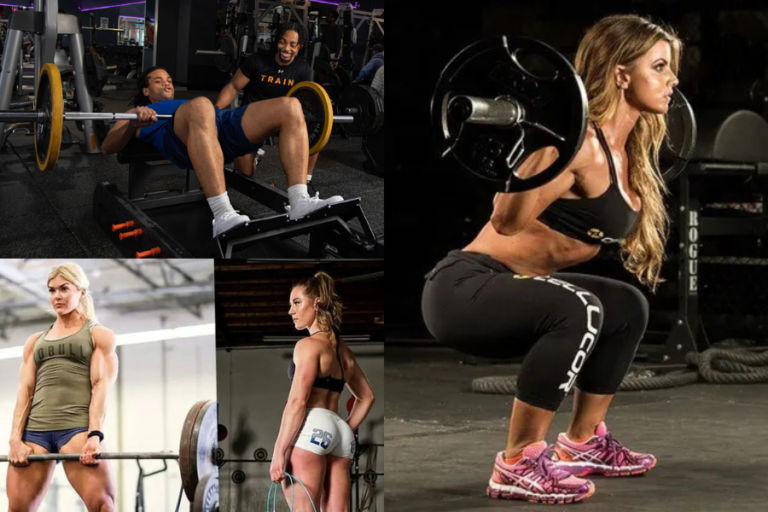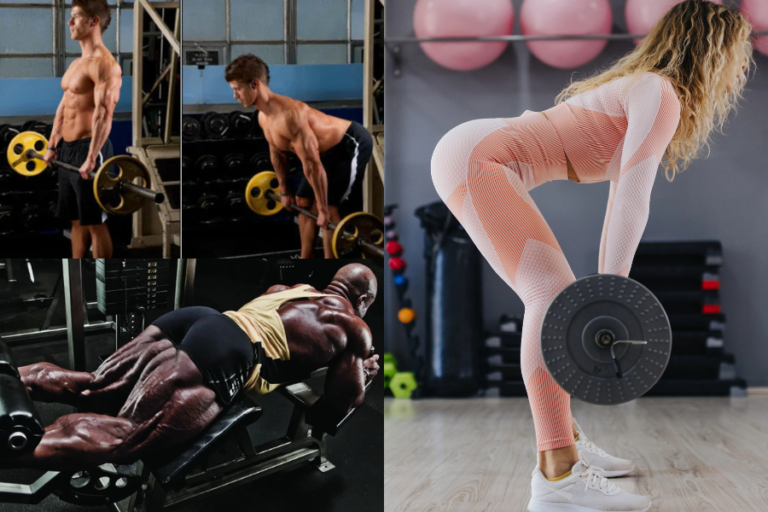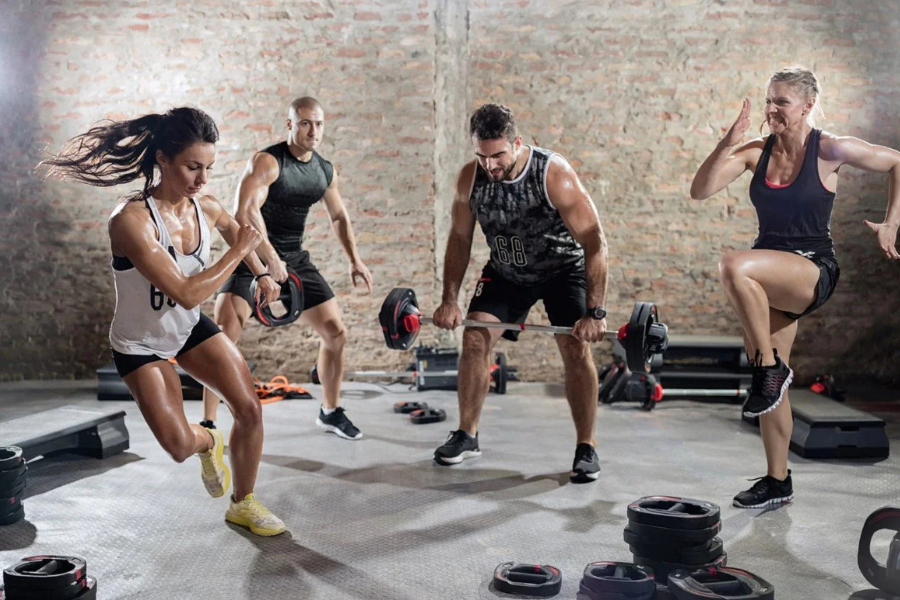
Understand what a HIIT strength workout is
If you want more results from your workouts in less time, a HIIT strength workout is a smart place to start. High intensity interval training (HIIT) combines short bursts of challenging effort with brief recovery periods. When you mix that interval style with resistance exercises, you train your heart and your muscles at the same time.
Instead of spending separate sessions on cardio and lifting, you use intervals of squats, rows, presses, and similar moves in a circuit. You work hard for a set time, rest just enough to catch your breath, then repeat. Most HIIT strength sessions last 10 to 30 minutes and require little equipment, which makes them easy to fit into a busy day.
Researchers describe HIIT as repeated short bursts of intense activity performed near maximal effort, with rest or low intensity work in between. This style has been shown to improve aerobic capacity, anaerobic capacity, and overall metabolic health in both healthy and clinical populations, according to reviews of studies up to 2021.
HIIT vs traditional strength training
You might wonder how a HIIT strength workout compares with your usual weight routine. In a traditional strength session, you typically
- Focus on one or two muscle groups
- Perform a set, then rest for 1 to 3 minutes
- Spend 25 to 75 minutes in the gym
With HIIT strength, you
- Rotate through full body movements in a circuit
- Keep rest short and structured
- Finish in less time while still training hard
A 2023 study in the European Journal of Sport Science found that high intensity circuit training and traditional strength training produced similar gains in muscular strength, lean mass, and fat loss in active women after eight weeks. The key difference was time. The HIIT style sessions were completed faster because there was less rest between exercises.
See why your next workout should be HIIT strength
Shifting your next workout to a HIIT strength format can pay off in several ways. You get the efficiency of HIIT plus the muscle building benefits of resistance training. Here is what that can look like for you.
You save time without sacrificing results
Low volume HIIT that includes less than 15 minutes of hard work per session has been shown to improve cardiometabolic health and endurance as effectively as longer moderate intensity workouts. When you add strength exercises into those intervals, you train multiple systems at once.
In practice, this means you can:
- Finish an effective session in 20 to 30 minutes
- Cover strength, cardio, and muscular endurance together
- Make consistent workouts more realistic on busy days
Studies that compared high intensity intervals with longer moderate intensity sessions found that HIIT often matched or outperformed traditional training for improving oxygen consumption and endurance, even though the total exercise volume was much lower.
You burn more calories during and after
HIIT raises your heart rate quickly and challenges large muscle groups. That combination leads to a higher calorie burn during the session itself. Multiple studies summarized by Healthline report that participants in HIIT workouts burned about 25 to 30 percent more calories than those doing other forms of exercise over the same time span.
HIIT also increases your metabolic rate for hours after you finish. This effect, sometimes called the post exercise calorie burn, means your body continues to use more energy even while you rest. According to Healthline, HIIT can keep metabolism elevated for hours after the workout, which can support fat loss over time.
You build muscle while improving cardio
A common concern is that intense cardio might limit muscle gain. The research on HIIT strength workouts tells a different story.
- A 2023 study on high intensity circuit training found similar increases in muscular strength and lean mass compared to traditional strength training, as long as both groups trained close to muscular failure.
- A 2021 review of teens who combined HIIT with resistance training reported meaningful reductions in body fat and waist size along with increases in muscle mass and full body strength.
HIIT creates metabolic stress that stimulates anabolic hormones linked to muscle growth and repair, as highlighted by PureGym in 2024. Explosive movements in HIIT, such as jumps and fast lifts, also recruit fast twitch muscle fibers that have a high potential for strength and power gains.
You support heart and metabolic health
If you are thinking long term, a HIIT strength workout can do more than change how you look. It supports how your body functions.
Studies summarized on the NASM blog and in other reviews show that HIIT can
- Improve heart efficiency and aerobic capacity
- Reduce heart rate and blood pressure, especially in people who are overweight or obese
- Improve oxygen consumption, sometimes more than traditional endurance training
- Lower blood sugar and improve insulin sensitivity, including in people with type 2 diabetes
For example, low volume HIIT protocols such as ten 60 second cycling intervals around 90 percent of maximum heart rate have been shown to decrease hyperglycemia and improve glucose transporter levels in people with type 2 diabetes. Clinical studies in coronary artery disease patients have also reported larger improvements in maximal oxygen uptake with HIIT than with moderate intensity exercise.
You get mental and brain health benefits
HIIT does not only affect your muscles and heart. According to the NASM blog, high intensity intervals can raise levels of brain derived neurotrophic factor (BDNF), which supports brain health and may reduce the risk of conditions such as Alzheimer’s disease.
Like other forms of exercise, HIIT can also help with:
- Stress relief
- Improved mood
- Better focus after your workout
For many people, the short, defined structure of a HIIT strength workout makes it easier to stay consistent, which supports these mental health benefits over time.
Learn how HIIT strength workouts help with fat loss and muscle
If one of your goals is to change your body composition, combining HIIT and resistance training can be especially effective.
Fat loss and waist reduction
A review of 13 studies with 424 adults who were overweight or obese found that HIIT reduced body fat and waist circumference as effectively as traditional moderate intensity exercise. Because HIIT sessions are shorter, they can be easier to stick with consistently, which matters more than any single workout.
When resistance training is added, you also support lean mass. This combination is important if you want to lose fat rather than just lose weight. Maintaining or building muscle helps keep your resting metabolism higher, which can make it easier to maintain your results.
Muscle gain and strength
HIIT alone can help inactive people gain some muscle mass. However, pairing HIIT with structured resistance exercises is more effective for building strength and size, especially if you already train regularly.
Research and expert guidance suggest that:
- HIIT style strength circuits can match traditional lifting for gains, as long as you push close to muscular failure with good form.
- Combining traditional strength days with HIIT strength days gives you variety, recovery, and a broader range of benefits. Strength coach Albert Matheny recommends this mixed approach rather than relying on only one style.
Fast twitch muscle fibers respond well to the explosive, high effort nature of HIIT. Movements like kettlebell swings, jump squats, and burpees, when done safely, tap into those fibers and can improve both power and muscle definition.
Know who HIIT strength workouts are for
A HIIT strength workout can be adapted for a wide range of fitness levels, but it is not ideal for everyone.
Good candidates for HIIT strength
You may be a good fit for this style if you
- Are cleared for moderate to vigorous exercise
- Have some basic familiarity with bodyweight or resistance moves
- Want efficient sessions that mix cardio and strength
- Enjoy short, focused periods of hard work
Beginners can still benefit. You can start with fewer intervals, longer rest periods, and simpler movements, then gradually increase intensity.
When to be cautious or avoid HIIT
Because HIIT pushes you close to your limits, some situations call for extra care. According to Healthline and other medical guidance, you should talk with your doctor before starting HIIT if you have
- Heart disease or a history of cardiac events
- High blood pressure
- Diabetes or other metabolic conditions
- Joint or muscle problems
- A current pregnancy
Some people with joint or mobility limitations may not be able to perform certain high impact moves safely. In those cases, low impact intervals such as cycling or rowing with controlled strength movements can be a better choice, or a different style of training altogether.
Build a safe HIIT strength routine
If you are ready to try a HIIT strength workout, a little planning helps you train safely and effectively.
How often to do HIIT strength
For most people, 2 to 3 HIIT sessions per week is plenty. The NASM blog recommends at least 48 hours between HIIT workouts to allow your muscles and energy systems to recover, especially when the intervals are intense.
You can fill the rest of your week with:
- Traditional strength sessions
- Low or moderate intensity cardio
- Mobility or active recovery days
This balance helps you avoid overtraining and lets your body adapt positively.
How long each workout should be
HIIT is about intensity, not marathon sessions.
Typical guidelines suggest:
- 4 to 10 minutes of true high intensity intervals inside the workout
- Total session time of 10 to 30 minutes, including warm up and cool down
Protocols like Tabata, which use 20 seconds of all out effort followed by 10 seconds of rest, repeated eight times, last only 4 minutes of work. Yet they can be very demanding and effective when done correctly. The NASM blog notes that even these short sessions can improve fitness when effort is truly high.
How hard to work
Effort is the key variable. Most research defines HIIT as working at around 80 to 90 percent of your maximum heart rate or near your maximal oxygen uptake during work intervals. In practical terms, you should feel:
- Very challenged during work periods
- Unable to carry on a full conversation
- Ready for the rest period when the interval ends
During rest, your breathing should ease somewhat, but you will likely still feel winded as you prepare for the next round.
Try a sample full body HIIT strength workout
To see what a HIIT strength workout feels like, you can follow a simple structure. The example below is based on a 30 minute full body session described by PureGym in 2024, adjusted slightly for clarity.
Step 1. Warm up for 5 minutes
Spend about 5 minutes on light movement to prepare your joints and raise your heart rate. For example:
- 1 minute easy marching or jogging in place
- 1 minute arm circles and shoulder rolls
- 1 minute bodyweight squats
- 1 minute hip circles and gentle lunges
- 1 minute of light jumping jacks or step jacks
Step 2. Perform the main circuit
Work through the following exercises:
- Burpees
- Renegade rows
- Squat to overhead press
- Kettlebell swings or dumbbell swings
- Push ups
- Jumping lunges or reverse lunges if you need lower impact
For each exercise:
- Work for 45 seconds at a challenging pace
- Rest for 15 seconds
- Move to the next exercise
After all six, rest for 1 to 2 minutes. That set of six is one round. Complete 3 to 4 rounds depending on your fitness level and time.
This format gives you:
- A clear work to rest ratio
- Full body strength training
- Cardio intensity that stays high throughout the session
Step 3. Cool down and stretch
Finish with 3 to 5 minutes of:
- Slow walking or marching to bring your heart rate down
- Gentle stretches for your chest, shoulders, hips, hamstrings, and quads
This short step helps your body shift back toward rest and can reduce post workout stiffness.
Adjust HIIT strength workouts to your level
You do not need to start at full speed. Small adjustments let you tailor a HIIT strength workout to your needs.
Beginner friendly modifications
If you are new to this style, you can:
- Shorten work intervals to 20 or 30 seconds
- Lengthen rest intervals to 30 to 40 seconds
- Choose lower impact moves, such as step back lunges instead of jumping lunges
- Reduce total rounds, for example start with 2 rounds instead of 4
Tabata style training can also be adapted. You might perform four 20 second work intervals with 10 seconds of rest, then pause for a full minute before repeating. Over time, you can add more intervals as your fitness improves.
Progressions as you improve
Once workouts start to feel easier, you can increase the challenge by:
- Adding a bit of weight to your lifts
- Decreasing rest slightly
- Adding another round to your circuit
- Swapping in more demanding moves, such as push ups from the floor instead of an incline
The goal is not to make every workout as hard as possible, but to keep a steady sense of challenge while maintaining solid form.
Support HIIT strength training with recovery and nutrition
How you recover and fuel your body matters as much as the workouts themselves.
Plan your week around recovery
Because HIIT is demanding, recovery helps you reap the benefits. In addition to spacing your HIIT sessions, you can:
- Prioritize at least one full rest or gentle movement day weekly
- Include mobility work, such as light stretching or yoga
- Pay attention to joint discomfort and adjust impact or exercise selection if needed
Overtraining can show up as persistent fatigue, declining performance, or trouble sleeping. If you notice these signs, it can help to reduce intensity or frequency for a week.
Eat to support muscle and performance
Proper nutrition makes HIIT strength workouts more effective. Research summaries emphasize a diet that includes:
- Adequate lean protein to support muscle repair
- Plenty of whole, minimally processed foods for vitamins and minerals
- Sufficient carbohydrates to fuel intense intervals
- Enough healthy fats for overall health and hormone support
- Consistent hydration before, during, and after sessions
If you train in the morning, a light snack with some protein and carbohydrates can help. If you prefer to train later in the day, aim to eat a balanced meal a couple of hours before your workout.
Put it all together
When you combine high intensity intervals with strength moves, you get a workout that:
- Uses your time efficiently
- Builds and maintains muscle
- Improves cardiovascular fitness
- Supports fat loss and metabolic health
- Keeps your routine varied and engaging
Your next workout does not have to be long to be effective. Choose a few compound exercises, structure them into intervals, and pay attention to how your body responds. With consistency, a HIIT strength workout can become a powerful tool in your fitness toolkit.
About the Author