A paleo diet is often marketed for weight loss and better energy, but it can also play a role in how you manage autoimmune disease. When you look at paleo diet and autoimmune disease together, the focus shifts from the scale to your immune system, your gut health, and everyday symptoms like fatigue and joint pain.
This guide walks you through how paleo and the autoimmune protocol (AIP) work, what the research says, and how you can explore these approaches safely.
What autoimmune diseases are and why diet matters
Autoimmune diseases happen when your immune system mistakenly attacks your own tissues. Conditions like Hashimoto thyroiditis, Graves disease, rheumatoid arthritis, lupus, celiac disease, inflammatory bowel disease, and multiple sclerosis all fall into this group.
Common symptoms include:
- Ongoing fatigue
- Joint or muscle pain
- Digestive issues, like bloating or diarrhea
- Brain fog
- Rashes or skin changes
Medication is often essential, but what you eat can influence inflammation, gut health, and how intense your symptoms feel. Processed foods, certain fats, sugar, and some proteins may increase inflammation or irritate the gut in sensitive people. For many, adjusting diet becomes another tool to feel more in control of daily symptoms.
Paleo diet basics in simple terms
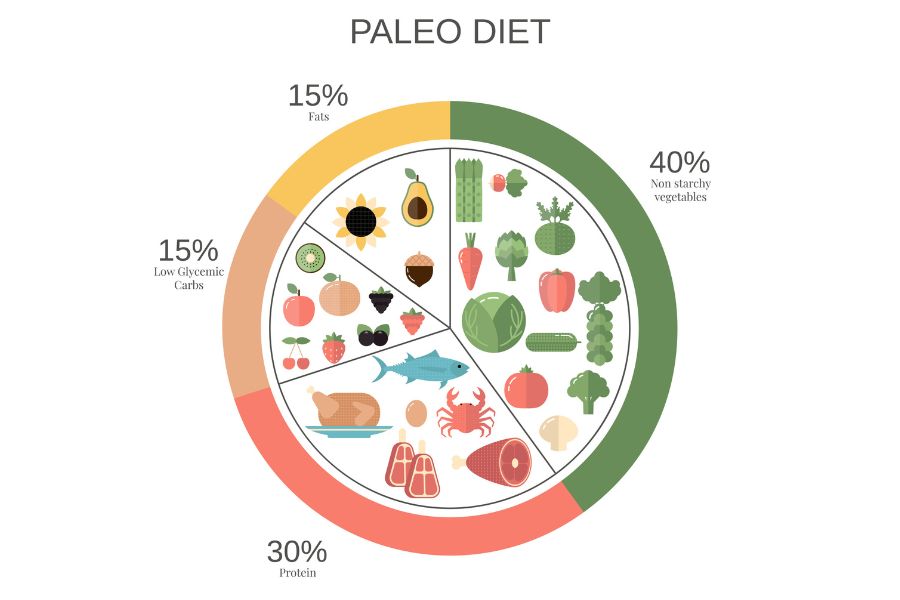
The paleo diet is built around the idea of eating closer to how your ancestors would have eaten. In practice, that means focusing on whole, minimally processed foods and avoiding modern ultra-processed items.
In a typical paleo pattern, you:
- Eat: vegetables, fruits, meat, fish, eggs, nuts, seeds, and healthy fats
- Avoid: grains, legumes, most dairy, refined sugar, refined oils, and ultra-processed foods
For general health and weight loss, this shift often reduces empty calories and increases nutrient density. You take in more vitamins, minerals, and fiber from whole foods, and fewer additives and sugars from packaged snacks, baked goods, and sugary drinks.
For autoimmune disease, the standard paleo diet can be helpful, but many people need something more targeted to calm the immune system. That is where the autoimmune protocol comes in.
What the autoimmune protocol (AIP) adds to paleo
The autoimmune protocol is a stricter, therapeutic version of paleo designed specifically for autoimmune conditions. It starts with an elimination phase, then slowly reintroduces foods to see what your body tolerates.
You still follow a paleo-style base, but you remove additional potential triggers that may irritate the gut or fire up your immune system. This protocol has been used for conditions such as Hashimoto thyroiditis, inflammatory bowel disease, multiple sclerosis, and rheumatoid arthritis (Dr. Emily Parke).
Elimination phase: what you avoid and why
During the AIP elimination phase, you cut out a long list of foods that are thought to be more likely to trigger symptoms. According to several clinical and educational resources, the AIP elimination phase typically excludes:
- Grains and legumes
- Dairy
- Added sugars and processed foods
- Nightshade vegetables like tomatoes, eggplant, and peppers, which contain compounds that may irritate the gut in sensitive people (The Paleo Diet)
- Nuts and seeds
- Eggs, especially egg whites, because the protein lysozyme in egg whites can cross a compromised gut barrier and provoke a stronger immune response (The Paleo Diet)
- Coffee and alcohol
Some people also remove bananas because their pulp contains a thaumatin-like protein that may act like a lectin and be linked to allergic reactions in certain autoimmune cases (The Paleo Diet).
Instead, you focus on:
- Plenty of vegetables, excluding nightshades
- High quality meats and fish
- Fruits in moderation
- Fermented foods for gut health
- Bone broth and other foods that may support the gut lining (Dr. Emily Parke)
This elimination usually lasts 30 to 90 days, which gives your immune system time to calm down and your gut a chance to heal (Green Chef, Mindd).
Reintroduction phase: personalizing your diet
After the elimination phase, you slowly add foods back one at a time, while watching for any flare in symptoms. This might include bringing back:
- Eggs, starting with yolks
- Certain nuts or seeds
- Nightshade vegetables
- Some forms of dairy, if appropriate
If a food triggers fatigue, joint pain, digestive upset, or other familiar symptoms, you know to avoid or limit it. If you reintroduce a food and feel fine, you can usually keep it in your routine. This step-by-step reintroduction is what makes AIP a personalized diet, rather than a one-size-fits-all list of rules (Green Chef, NCBI – Metabolism Open).
How paleo and AIP may help autoimmune symptoms
Researchers and clinicians are still learning exactly how these diets work, but several themes show up repeatedly.
Reducing gut inflammation and supporting the microbiome
A core idea behind AIP is that gut inflammation is a major contributor to autoimmune disease. Processed foods, toxins, certain medications, and stress can disturb your gut microbiome, which may trigger or worsen autoimmune processes (Mindd).
By emphasizing whole, minimally processed foods and removing common irritants, AIP aims to:
- Calm inflammation in the gut
- Rebalance the gut microbiota
- Improve nutrient absorption
This is especially relevant if you have digestive autoimmune conditions such as inflammatory bowel disease. In people with IBD, following an AIP-style diet has been associated with improvements in bowel movement frequency, reduced stress, and better quality of life within a few weeks (Nourish).
Calming systemic inflammation and immune overactivity
A 2024 discussion of the autoimmune paleo diet notes that AIP can decrease systemic inflammation and help modulate the immune system, which may lead to fewer symptoms and better quality of life for people with autoimmune conditions (Dr. Emily Parke).
Similarly, a recent review found that an AIP-style diet reduced inflammation, pain, and fatigue in several autoimmune conditions, although not all studies showed the same changes in lab markers like thyroid levels or specific inflammatory biomarkers (NCBI – Metabolism Open).
In plain language, this means you might:
- Hurt less
- Feel less drained
- Experience fewer daily symptom flares
Even if your bloodwork changes more slowly or not at all.
Thyroid autoimmunity and ancestral-style diets
If you have Hashimoto thyroiditis or Graves disease, you might be wondering whether a paleo or AIP approach makes sense.
A 2023 systematic review looked at Paleolithic and ancestral diet interventions in adults with autoimmune thyroid disease. It identified eight studies that used these types of diets for 8 to 60 weeks and found that all of them showed clinical improvements. One study showed significant improvement, and in two case studies, autoimmune thyroid disease reportedly resolved after following a paleo or ancestral diet (PubMed).
The review concluded that ancestral-style foods, combined with targeted supplements, exercise, and mindfulness, and the exclusion of many modern processed foods, can have a meaningful impact on thyroid antibodies and hormone profiles in autoimmune thyroid disease (PubMed).
This does not mean paleo or AIP can cure thyroid disease, but it suggests they can be part of a broader, lifestyle-based strategy under medical supervision.
Symptom relief across different autoimmune conditions
Multiple sources highlight symptom improvements like less joint pain, better gut comfort, and improved energy on AIP and related diets, particularly for IBD, Hashimoto thyroiditis, and rheumatoid arthritis (Green Chef, Nourish, NCBI – Metabolism Open).
For you, the most important question is not whether every study shows the same lab change, but whether a structured, well-supported dietary change helps you feel and function better in daily life.
Current evidence suggests that AIP can improve quality of life and disease-related symptoms in several autoimmune diseases, but the research is still early and sometimes conflicting, especially around long-term markers like thyroid hormones and inflammatory lab tests (NCBI – Metabolism Open).
Potential risks and limitations you should know
As promising as paleo diet and autoimmune disease research can sound, these diets are not risk free and they are not for everyone.
Nutrient gaps and over-restriction
Because AIP cuts out so many food groups, you can miss key nutrients if you are not careful. Studies of women with Hashimoto thyroiditis on AIP have shown potential deficiencies in:
- Folate
- Vitamin B12
- Riboflavin
- Vitamin D
- Calcium (NCBI – Metabolism Open)
Long term, those gaps can affect energy, bone health, and overall wellbeing. Personalized planning and targeted supplements, when recommended by your care team, can help close those gaps.
Social and emotional strain
A highly restricted diet can feel isolating. Eating out, family gatherings, travel, and holidays may feel stressful when you are trying to follow a strict food list. The 2024 review on AIP points out that social isolation and quality of life challenges are real concerns, especially over longer periods (NCBI – Metabolism Open).
It is worth asking yourself:
- Can you see yourself eating this way for several months?
- Do you have support at home or from friends?
- How will you handle restaurants, work events, or travel?
You do not need to be perfect, but you do need a plan that feels sustainable for you.
Medical safety and special conditions
If you have certain digestive complications, such as ileal strictures, an AIP-style pattern could even cause problems. The literature notes possible gastrointestinal complications in some patients with these types of issues (NCBI – Metabolism Open).
You should always talk with your doctor or specialist before making major diet changes, especially if you:
- Take medications that interact with nutrient intake
- Have kidney disease, severe heart issues, or complex gastrointestinal disease
- Are pregnant, breastfeeding, or planning pregnancy
Working with a registered dietitian who understands autoimmune health is strongly recommended. Dietitians can help you follow AIP safely, make sure you meet your nutrient needs, and adjust the plan to your life and budget (Nourish).
How to decide if paleo or AIP is right for you
If you are considering the paleo diet and autoimmune disease connection for yourself, it helps to think in steps instead of jumping into the strictest version immediately.
Step 1: Start with a gentle paleo reset
You might begin by shifting toward a basic paleo pattern for 2 to 4 weeks:
- Remove ultra-processed foods, sugary drinks, and refined snacks
- Base your meals on vegetables, fruit, lean meats or fish, and healthy fats
- Cut out gluten-containing grains and see how your digestive system responds
Notice what happens to your energy, digestion, pain levels, and sleep.
Step 2: Decide if an AIP trial fits your goals
If you see some improvement but still have significant symptoms, you and your care team might consider a time-limited AIP trial, often for 30 to 90 days (Green Chef, Mindd).
Before you begin, make sure you:
- Have clear goals, such as less joint pain or better bowel regularity
- Understand which foods to remove and what to eat instead
- Have support from a healthcare provider, ideally a dietitian
Step 3: Track your symptoms and progress
Keep a simple journal of:
- What you eat each day
- Your main symptoms, scored 1 to 10
- Sleep quality, stress levels, and physical activity
These notes help you and your clinician see patterns you might miss in day-to-day life. They also guide you during the reintroduction phase.
Step 4: Reintroduce and build your long-term plan
After the elimination period, you add foods back slowly, one by one, watching for any symptom spikes. You might discover that you tolerate certain foods well, while others consistently cause issues.
Your long-term diet might end up being:
- Mostly paleo, with a few personal exclusions
- A modified AIP pattern that still avoids your major triggers
- A flexible mix that shifts depending on your stress level and symptom control
The goal is not to stay at maximum restriction forever. It is to find the smallest set of changes that give you the biggest improvement in how you feel.
The bottom line on paleo diet and autoimmune disease
A paleo-style diet and the autoimmune protocol are not cures, but they can be powerful tools alongside medication, movement, stress management, and sleep.
Current evidence suggests that:
- AIP can reduce inflammation, pain, fatigue, and improve quality of life in several autoimmune diseases, although results vary and research is still developing (Green Chef, NCBI – Metabolism Open)
- Ancestral-style eating patterns may help improve thyroid antibodies and hormone profiles in autoimmune thyroid disease when combined with supplements, exercise, and mindfulness (PubMed)
- Highly restrictive diets like AIP can lead to nutrient deficiencies and social stress if not carefully planned and supervised (NCBI – Metabolism Open)
If you decide to explore paleo or AIP, treat it as an experiment, not a life sentence. Start with realistic changes, work closely with your healthcare team, and focus on how your body responds, not on following rules perfectly.
Your experience is the most important data point you have.
About the Author