A dash diet for hypertension is not a short term cleanse. It is a practical way of eating that can help you lower blood pressure, protect your heart, and even support weight loss without special products or complicated rules. If you want a way to eat that actually fits real life, the DASH approach is designed for that.
Below, you will see how the DASH diet works, what you eat in a typical day, and how you can start using it to manage high blood pressure and improve your health.
Understand what the DASH diet is
The DASH diet, which stands for Dietary Approaches to Stop Hypertension, was created specifically to help prevent and treat high blood pressure. It focuses on lowering your salt intake and increasing nutrients that help relax blood vessels, such as potassium, calcium, magnesium, protein, and fiber (Mayo Clinic).
You do not need special foods to follow it. The plan uses everyday items from your grocery store and offers daily and weekly nutritional goals that you can adapt to your own calorie needs (NHLBI).
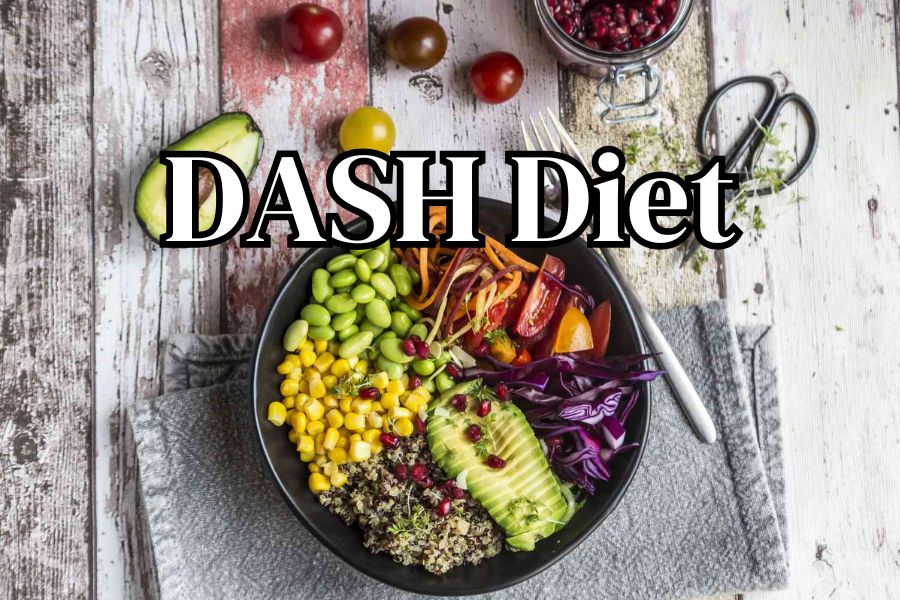
At its core, the DASH diet emphasizes:
- Vegetables and fruits
- Whole grains
- Fat free or low fat dairy
- Lean proteins like fish, poultry, beans, and nuts
- Limited sodium, added sugars, and saturated fats (Mayo Clinic)
See how the DASH diet helps hypertension
If you live with high blood pressure, you are not just managing numbers on a monitor. You are trying to protect your heart, brain, kidneys, and overall quality of life. The DASH diet is one of the most studied eating patterns for this.
Research supported by the U.S. National Heart, Lung, and Blood Institute found that people eating the DASH diet had the largest reduction in blood pressure compared with those on a typical American diet, even when everyone consumed the same amount of sodium, about 3,000 milligrams per day (NHLBI). In follow up reports, DASH also helped lower LDL, the type of cholesterol linked to heart disease (NHLBI).
Other trials show similar benefits. A meta analysis of 17 randomized controlled trials found that the DASH diet reduced systolic blood pressure by about 6.74 mmHg and diastolic pressure by 3.54 mmHg, with stronger effects in people who already had high blood pressure and those also cutting calories for weight loss (Cureus).
In practical terms, that kind of drop can lower your risk of heart attack, stroke, and heart failure. The NIH supported DASH diet has even been named the Best Heart Healthy Diet and Best Diet for High Blood Pressure for 2025 (NHLBI).
Learn the key DASH building blocks
You do not need to count every nutrient gram to benefit from a dash diet for hypertension. Instead, you focus on general daily servings. The common guidelines are based on a 2,000 calorie per day pattern (NHLBI).
Here is a simple overview you can use as a reference:
| Food group | Typical daily servings* | Why it helps blood pressure |
|---|---|---|
| Vegetables | 4 to 5 | Potassium, fiber, magnesium |
| Fruits | 4 to 5 | Potassium, fiber, antioxidants |
| Grains (mostly whole) | 6 to 8 | Energy, fiber, some protein |
| Fat free or low fat dairy | 2 to 3 | Calcium, protein, vitamin D |
| Lean meats, poultry, fish | Up to 6 one ounce servings | Protein, iron, healthy fats from fish |
| Nuts, seeds, legumes | 4 to 5 per week | Plant protein, healthy fats, magnesium |
| Fats and oils | 2 to 3 | Necessary fats, focus on unsaturated |
| Sweets and added sugars | 5 or fewer per week | Keeps extra calories and sugar low |
*Serving ranges are based on a 2,000 calorie example, and your needs may be higher or lower depending on your size, activity level, and health goals (NHLBI).
The diet also encourages you to limit foods high in salt, saturated fat, cholesterol, and added sugar. That usually means fewer processed snacks, fast foods, and sugary drinks, and more home cooked meals built around whole ingredients (MedlinePlus).
Focus on sodium the smart way
Sodium plays a large role in blood pressure because it pulls water into your blood vessels and makes your heart work harder. The standard DASH diet limits sodium to 2,300 milligrams per day, about the amount in one teaspoon of table salt. A lower sodium version drops that to 1,500 milligrams daily for extra benefits (Mayo Clinic).
For many people, going directly to 1,500 milligrams can feel like a big leap from a typical high sodium pattern. You might find it easier to reduce gradually:
- Start by reading labels so you see how much sodium hides in bread, soups, sauces, and frozen meals.
- Choose low sodium or no salt added versions of canned beans, vegetables, and broths.
- Flavor food with herbs, spices, citrus, and vinegar instead of reaching for the salt shaker.
- Limit restaurant meals, especially fast food, which are often very high in sodium.
Clinical trials show that combining the DASH diet with sodium reduction offers even greater blood pressure benefits than either strategy alone. In the DASH Sodium trial, people who followed DASH with the lowest sodium intake saw systolic blood pressure drop by an average of 7.1 mmHg if they did not yet have hypertension and 11.5 mmHg if they did (Cureus).
If you are on blood pressure medication, you should continue it and let your healthcare provider know that you are following the DASH diet. They can monitor you and adjust your treatment if needed (MedlinePlus).
Use DASH as a tool for weight loss
Many people come to the dash diet for hypertension and stay because it also supports healthy, sustainable weight loss. The plan is rich in fiber, high volume foods like vegetables and fruits, and lean proteins, which help you feel full on fewer calories.
Studies like the PREMIER trial show that when you combine the DASH diet with increased physical activity and behavioral support, you can see meaningful reductions in both blood pressure and body weight over 6 months (NHLBI). Another study called ENCORE found that DASH plus weight management and exercise reduced systolic blood pressure by about 16.1 mmHg in overweight adults with above normal blood pressure (Cureus).
To use DASH for weight loss, you can:
- Fill half your plate with vegetables at lunch and dinner.
- Choose whole grains over refined ones, such as brown rice instead of white rice.
- Pick fruit instead of dessert several nights a week.
- Stick to modest portions of healthy fats like olive oil or nuts.
The goal is not to feel deprived. It is to crowd your plate with foods that work with your body, not against it.
Combine DASH with daily movement
Food is a big part of managing hypertension. It is even more powerful when you pair it with regular physical activity. The DASH guidelines recommend at least 30 minutes of moderate intensity exercise, like brisk walking or biking, on most days, adding up to at least 2 hours and 30 minutes per week (MedlinePlus).
You do not need a gym membership to meet this goal. You can:
- Take a 10 minute walk after each meal.
- Use the stairs instead of the elevator when possible.
- Do simple bodyweight exercises, such as squats or wall pushups, at home.
These choices improve how your blood vessels function and help you maintain a healthy weight, which both support lower blood pressure.
Start DASH in small, realistic steps
The dash diet for hypertension does not have to be an all or nothing overhaul. You will likely stick with it longer if you add changes gradually and notice how your body responds.
Here are a few manageable ways to begin:
- At breakfast, swap a refined option, such as a pastry, for oatmeal topped with fruit and a small serving of nuts.
- At lunch, add an extra serving of vegetables, for example a side salad or steamed frozen veggies.
- At dinner, replace one salty processed item like boxed macaroni and cheese with a home cooked grain or baked potato seasoned with herbs.
- A few evenings per week, pour water or unsweetened tea instead of a sugary drink.
Pay attention to how your energy, digestion, and mood feel after a couple of weeks. Many people notice that they feel lighter and more steady, not just in their blood pressure readings but in everyday life.
If you have any existing health conditions or take multiple medications, it is wise to review your plan with your doctor or a registered dietitian. They can help you adjust sodium targets and serving sizes based on your personal needs and any sample menus you want to follow (Mayo Clinic).
You do not have to eat perfectly to benefit from the DASH diet. Every step you take toward more plants, fewer processed foods, and less sodium moves your blood pressure in the right direction.
When you approach the dash diet for hypertension as a long term way of eating, not a quick fix, you give yourself a powerful tool. You protect your heart, support your weight, and build daily habits that make you feel more in control of your health.
About the Author