Understand 20 4 intermittent fasting
If you want a weight loss strategy that fits around a hectic schedule, 20 4 intermittent fasting can sound appealing. Instead of counting every calorie, you shorten your eating window to 4 hours and fast for the remaining 20 hours each day.
In most 20 4 intermittent fasting plans, you:
- Fast for 20 hours every day
- Eat all or most of your calories within a 4 hour window, for example 4 p.m. to 8 p.m.
- Drink zero calorie beverages, such as water, black coffee, or tea, during the fast
This style of time restricted eating is sometimes called the Warrior Diet or a very tight version of one meal a day (OMAD) (Examine, Aspect Health).
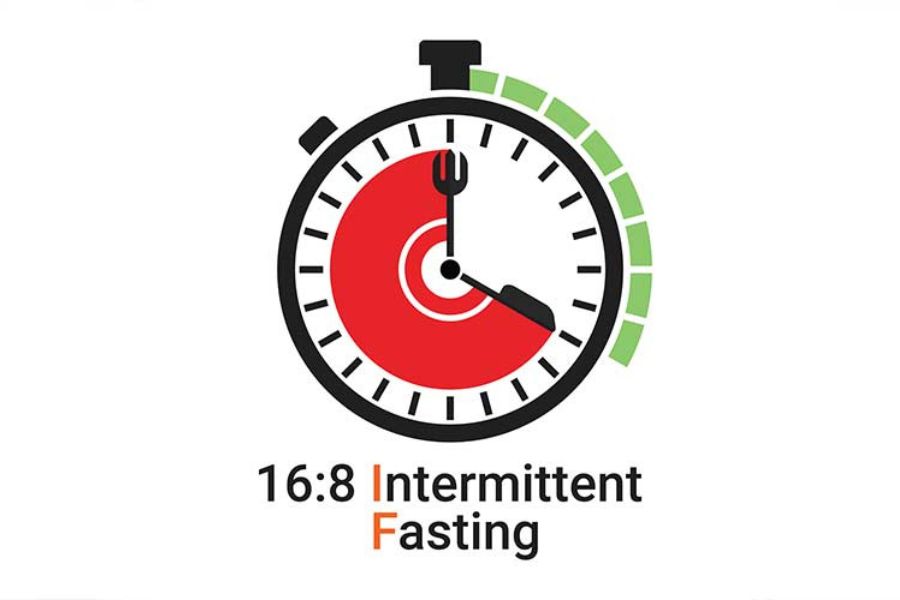
How 20 4 compares to other fasting styles
To see where 20 4 fits in, it helps to compare it to more common intermittent fasting patterns.
| Fasting style | Fasting hours | Eating window | Typical use |
|---|---|---|---|
| 16/8 | 16 | 8 | Daily, popular starting point (Johns Hopkins Medicine) |
| 5:2 | 2 low calorie days per week | Normal eating 5 days, 500–600 calories on 2 days | Weekly structure, not daily (Johns Hopkins Medicine) |
| 20/4 | 20 | 4 | Advanced time restricted eating |
Compared to 16/8, the 20/4 schedule is more restrictive and usually more challenging (Aspect Health).
How 20 4 intermittent fasting works
During the long fasting stretch, your body gradually shifts from using the sugar stored in your liver to tapping into fat stores. This switch in fuel use, sometimes called metabolic switching, is also seen with 16/8 fasting (Johns Hopkins Medicine).
With 20 4 intermittent fasting, you often stay in that low energy state for more hours each day. This is one of the reasons it is marketed as a way to:
- Make fat burning more efficient
- Trigger processes that repair or recycle damaged cells
- Improve your body’s response to insulin
Some research on very tight time restricted eating suggests that fasting for 18 hours or longer can activate metabolic pathways related to cell cycle control and energy mobilization, and may help improve blood pressure and blood sugar control (Examine).
Potential benefits for a busy lifestyle
If you are juggling work, family, and a long to do list, you might be drawn to 20 4 intermittent fasting because it seems simple. You only need to remember your eating window, not a complicated meal plan.
Based on current research on time restricted eating and 20 4 style protocols, here are some potential benefits.
Weight loss without constant tracking
In one analysis of 20 4 style intermittent fasting, participants lost about 3 percent of their body weight over 8 weeks, largely because they unintentionally ate around 550 fewer calories per day when the eating window was very small (Zero Longevity).
For you, that might look like:
- Fewer opportunities to snack on autopilot
- Less need to track every bite in an app
- A clearer boundary between eating time and fasting time
However, weight loss still depends on an overall calorie deficit. If you consistently overeat in your 4 hour window, you may not lose weight, even if you stick to the schedule (Examine).
Improved insulin sensitivity and blood sugar control
Time restricted eating, including 20 4 intermittent fasting, has been linked with:
- Better insulin sensitivity
- Lower blood glucose spikes throughout the day
- A more efficient ability to handle carbohydrates
These effects have been reported in both generally healthy people and those with insulin resistance or type 2 diabetes in research reviewed by Zero Longevity (Zero Longevity). If you have diabetes or prediabetes, you should only consider this under medical guidance.
Cellular cleanup and inflammation support
Fasting periods may activate autophagy, which is your body’s built in recycling system for old or damaged cells. Reviews on 20 4 intermittent fasting suggest that this process, along with reductions in chronic inflammation and oxidative stress, might help lower the risk of conditions like heart disease, diabetes, and some cancers, although the evidence is still emerging (Zero Longevity).
You will not feel autophagy directly, but over time it may support:
- Better overall metabolic health
- Healthier aging
- More efficient cell repair
Risks and side effects you should weigh
Although 20 4 intermittent fasting sounds straightforward, it is not automatically safe or suitable for everyone. The longer fasting window and compressed eating time can create specific challenges.
Common side effects
Reported side effects of 20 4 and similar one meal a day patterns include (Examine):
- Strong hunger, especially in the first weeks
- Headaches
- Lightheadedness or slight dizziness
- Digestive upset
More broadly, intermittent fasting in general can lead to:
- Lethargy or low energy
- Irritability
- Constipation
These side effects are often reported when people try alternate day fasting or very tight eating windows and may improve with time or with a less intense plan (Harvard Health Publishing).
Possible overeating and rhythm disruption
Your body has built in appetite hormones and hunger signals. If you are very hungry when your window opens, you might find yourself overeating or gravitating toward highly processed foods. This can undermine both weight loss and health goals.
Harvard Health Publishing notes that intermittent fasting can sometimes cause:
- Overeating on non fasting periods
- Unhealthy dietary habits
- Misalignment between eating times and your natural circadian rhythm, which may affect metabolism and long term health (Harvard Health Publishing)
If your 4 hour window is very late in the evening, this misalignment might be more pronounced.
Concerns about heart health and tight eating windows
Time restricted eating is popular, but its long term cardiovascular effects are not fully understood. In a large analysis of more than 20,000 U.S. adults, people who ate within an 8 hour window each day had a higher risk of death from cardiovascular disease compared to those who ate across 12 to 16 hours (American Heart Association).
Key points to keep in mind:
- The study looked at 8 hour windows, not 4 hour windows
- It found an association, not proof that the eating pattern caused the increased risk
- The data relied on self reported food intake, which can be inaccurate
Researchers emphasize that more work is needed to understand why this link appears and how it might vary in different groups (American Heart Association). For you, this is a reminder to be cautious about very tight eating windows and to talk with your healthcare provider, especially if you have any existing heart or metabolic conditions.
Who should avoid 20 4 intermittent fasting
Experts advise that 20 4 intermittent fasting is not appropriate if you are (Aspect Health, Examine, Harvard Health Publishing):
- Pregnant or breastfeeding
- Living with type 1 diabetes
- Managing an eating disorder or a history of disordered eating
- Taking medications that must be taken with food, especially for diabetes, blood pressure, or heart disease
Older adults may also be at higher risk of excessive weight loss that can affect bones, immune function, and energy, since most human intermittent fasting studies focus on younger and middle aged adults over relatively short time frames (Harvard Health Publishing).
Because there are no specific long term safety studies on the 20 4 protocol, you should involve a healthcare professional before trying it, especially if you have any chronic condition or take daily medication (Examine).
How to start 20 4 intermittent fasting carefully
If you and your healthcare provider decide that 20 4 intermittent fasting could work for you, a gradual, thoughtful approach can make the transition smoother.
Step 1: Ease in with a longer window
Jumping straight from an all day grazing pattern to a 4 hour window is likely to feel intense. Most people need 2 to 4 weeks for their body to adjust even to more moderate fasting, and early hunger or irritability is common (Johns Hopkins Medicine).
You might start with:
- A 12 hour fast, for example 8 p.m. to 8 a.m.
- Then shift to 14 or 16 hours, like the 16/8 pattern
- Only after you feel stable at 16/8, experiment with tightening your window to 6 hours, then 4 hours
This stepwise progression gives you time to notice how you feel and to stop or adjust if side effects become problematic.
Step 2: Choose your 4 hour window
Pick an eating window that lines up with your daily routine and social life. Common windows include:
- 2 p.m. to 6 p.m.
- 4 p.m. to 8 p.m.
Some people like an earlier window to better match insulin sensitivity patterns, while others prefer late afternoon to evening for family dinners or social events (Examine).
Ask yourself:
- When do you most enjoy eating with others?
- When do you typically feel most hungry?
- How will this window fit your work or commuting schedule?
You can adjust your window over time as you learn what feels sustainable.
Step 3: Plan nutrient dense meals
A short eating window does not mean nutrition stops mattering. In fact, it matters more, because you have fewer chances each day to get what your body needs.
During your 4 hour window, focus on:
- Lean proteins, such as poultry, fish, tofu, or eggs
- High fiber carbohydrates, such as beans, lentils, and whole grains
- Plenty of vegetables and some fruit
- Healthy fats, such as olives, nuts, seeds, and avocado
Experts suggest using your eating window to follow a generally healthy pattern like the Mediterranean style of eating, not a junk food free for all (Johns Hopkins Medicine).
If you try to fit all your calories into one or two very large, low quality meals, you may experience more digestive upset and fewer health benefits.
Step 4: Use your fasting hours wisely
During your 20 fasting hours, you want to avoid most or all calories. Guidelines for 20 4 intermittent fasting usually include:
- Water, still or sparkling
- Unsweetened tea
- Black coffee
- Other drinks that contain no more than about 5 to 10 calories per serving (Examine)
Some versions of the Warrior Diet allow small amounts of low calorie foods during the fasting period, such as small portions of fruits, vegetables, eggs, or dairy, but most of your calories, around 85 to 90 percent, should come in the 4 hour window (Aspect Health).
To make long fasting periods easier, you can:
- Keep a water bottle nearby throughout the day
- Schedule busy tasks during typical snack times
- Step away from screens when constant food images trigger cravings
Step 5: Watch your body’s feedback
As you experiment with 20 4 intermittent fasting, pay attention to:
- Energy levels through the day
- Mood and irritability
- Sleep quality
- Digestive comfort
- Exercise performance
If you notice ongoing dizziness, strong headaches, very low energy, or a worsening relationship with food, it is a sign to widen your eating window, increase your calorie intake, or reconsider the approach entirely.
Because dropout rates are often high in very tight eating window studies, your experience may look more like a short trial or occasional tool than a permanent lifestyle (Examine).
Is 20 4 intermittent fasting right for you?
20 4 intermittent fasting can be appealing if you prefer fewer, larger meals and a simple structure that does not rely on constant calorie tracking. Current research points to potential benefits for weight loss, insulin sensitivity, and metabolic health, but also highlights side effects, adherence challenges, and open questions about long term safety, especially for very tight eating windows.
You may be a better fit for 20 4 if you:
- Already have experience with milder fasting, such as 16/8
- Feel comfortable eating most of your calories in a single daily meal or short window
- Have discussed the plan with a healthcare professional who knows your medical history
On the other hand, you may want to choose a different approach if you:
- Prefer regular meal times
- Have any medical conditions that make fasting risky
- Are older and concerned about losing too much weight
- Notice that strict rules around food trigger anxiety or binge eating
If you are curious, you can start by tightening your eating window gradually and staying alert to how your body responds. The goal is not to force yourself into a rigid pattern that leaves you exhausted and preoccupied with food. The goal is to find an eating rhythm that supports your health, your weight loss goals, and your daily life over the long term.
About the Author