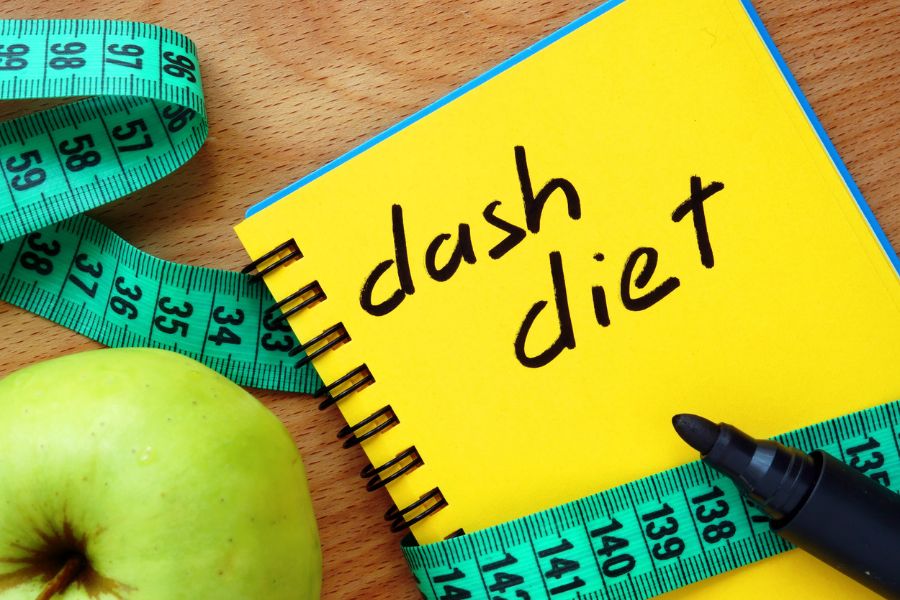
A dash diet menu can be a simple way to support weight loss, lower blood pressure, and feel more energized without following a strict or trendy plan. Instead of cutting whole food groups, you focus on everyday foods that are naturally rich in fiber, potassium, calcium, and magnesium and keep sodium in check. That balance is what makes the DASH eating plan one of the most researched and recommended options for heart health and long term wellness (NHLBI, Mayo Clinic).
Below, you will see what a realistic DASH diet menu looks like in daily life, how it can help you lose weight, and simple ideas you can start using at your next meal.
Understand what the DASH diet is
The DASH diet stands for Dietary Approaches to Stop Hypertension. It was originally designed to help treat or prevent high blood pressure by lowering salt intake and emphasizing nutrients that support healthy blood vessels, including potassium, calcium, magnesium, protein, and fiber (Mayo Clinic).
You do not need special products to follow it. The U.S. National Heart, Lung, and Blood Institute describes DASH as a pattern of daily and weekly goals you can reach with regular grocery store foods, typically built around a 2,000 calorie a day template (NHLBI). You can adjust up or down with your healthcare provider if your calorie needs are different.
In 2025, this same plan was named Best Heart Healthy Diet and Best Diet for High Blood Pressure, which reflects how consistently it performs in research and in real life (NHLBI).
See what a DASH diet menu includes
A standard 2,000 calorie DASH diet menu is built around a few key food groups and serving targets. This structure gives you flexibility, but also clear guardrails so you do not have to guess what a balanced day looks like.
Here is a simplified look at the types of foods and how often they appear on a typical DASH style day (Verywell Health, Mayo Clinic):
| Food group | Daily / weekly guideline | Why it matters |
|---|---|---|
| Vegetables | Several servings per day | Fiber, potassium, volume with few calories |
| Fruits | Several servings per day | Natural sweetness, antioxidants, potassium |
| Whole grains | Multiple servings per day | Steady energy, fiber for fullness |
| Low fat or nonfat dairy | 2 to 3 servings per day | Calcium, protein, blood pressure support |
| Lean proteins (fish, poultry, beans) | Daily, in moderate portions | Protein for muscle and fullness |
| Nuts, seeds, legumes | About 4 to 5 servings per week | Healthy fats, magnesium, fiber |
| Added sugars and sweets | Limited, small portions | Calorie control and blood sugar balance |
| Sodium | Ideally under 1,500 to 2,300 mg per day | Key lever for blood pressure control |
The NHLBI provides detailed tables that break this out by exact serving sizes and frequency so you can compare your current habits against DASH goals and track your progress with worksheets if you like a more structured approach (NHLBI).
Use DASH to support weight loss
You can lose weight on a DASH diet menu because it focuses on naturally filling foods that tend to be lower in calories. High fiber vegetables, fruits, beans, and whole grains take up more space on your plate and in your stomach, so you feel satisfied with less. Lean proteins and low fat dairy add staying power, which helps you avoid constant snacking.
Salt is also limited. For most people, the basic DASH plan aims for no more than 2,300 milligrams of sodium per day, or about one teaspoon of table salt in total from all foods. A lower sodium version that caps sodium at 1,500 milligrams can reduce blood pressure even further (NHLBI, Mayo Clinic). Since salty processed foods often come with extra calories, cutting them back can make it easier for you to stay in a calorie range that supports weight loss.
To tailor this to your body, you will want to work with a healthcare professional or dietitian who can help you choose an appropriate calorie level and then plug DASH style foods into that framework (Mayo Clinic).
Build a simple one day DASH menu
You do not have to overhaul everything at once. Start with a single day. Here is an example of a balanced DASH diet menu based on roughly 2,000 calories, using the serving ideas described by Mayo Clinic and Verywell Health. You can scale portion sizes up or down depending on your needs (Verywell Health, Mayo Clinic).
Breakfast
- Overnight oatmeal made with low fat milk, topped with sliced banana and a small handful of walnuts
- A side of berries for extra fiber and natural sweetness
- Coffee or tea, without heavy creamers or high sugar syrups
This meal checks off whole grains, fruit, dairy, and nuts, all early in the day.
Mid morning snack
- Plain yogurt or low fat Greek yogurt with a drizzle of honey
- A small piece of fruit, such as an apple or pear
Yogurt adds protein and calcium, while fruit gives you volume and crunch without many calories.
Lunch
- Large salad built on leafy greens, with colorful vegetables like carrots, tomatoes, cucumbers, and bell peppers
- Grilled chicken breast or chickpeas as your lean protein
- A small side of whole grain crackers or a slice of whole wheat bread
- Light vinaigrette with olive oil instead of creamy, high sodium dressings
Here, you hit more servings of vegetables, lean protein, and whole grains, with healthy unsaturated fats that can help lower LDL cholesterol (Verywell Health).
Afternoon snack
- A small handful of unsalted nuts or seeds
- Fresh vegetable sticks such as carrots, celery, or bell pepper strips
DASH allows several servings per week of nuts, seeds, dry beans, and peas, so this is a smart place to work them in while keeping sodium low (Verywell Health).
Dinner
- Baked or grilled fish, such as salmon or tilapia, seasoned with herbs and lemon instead of heavy salt
- A generous serving of steamed or roasted vegetables
- A side of brown rice, quinoa, or another whole grain
Seafood based dinners like spiced salmon or grilled tilapia with a fruit based salsa are common in DASH style recipe collections and give you a heart healthy mix of protein and beneficial fats (Taste of Home).
Optional small dessert
- A serving of fresh fruit
- Or a small square of dark chocolate, enjoyed slowly
DASH does not forbid sweets. It simply limits them and keeps portions modest so that added sugars do not crowd out more nutrient dense foods (Verywell Health).
If you prefer a more detailed roadmap, Mayo Clinic offers sample three day menus at 2,000 calories that you can follow or adapt, and you are encouraged to adjust the calorie level with a professional so it matches your goals and activity level (Mayo Clinic).
Shop and cook the DASH way
A realistic DASH diet menu starts with what you put in your cart. If you stock your kitchen with the right basics, your daily choices become much easier.
When you shop, focus most of your time on the perimeter of the store. Fill your basket with fresh or frozen vegetables and fruits, low fat or nonfat milk and yogurt, whole grain bread, oats, brown rice, and lean proteins such as chicken, fish, tofu, or beans. Keep a few convenience options on hand as well, like low sodium canned beans, frozen vegetables, and quick cooking whole grains so you can throw together a balanced meal when you are tired.
Limit heavily processed foods that tend to be high in salt and added sugars. These include cured and processed meats, frozen dinners, some pizzas, and canned soups with regular sodium levels. Verywell Health notes that these products are common sources of the high salt intake that the DASH diet is specifically designed to reduce (Verywell Health).
At home, rely on herbs, spices, citrus, garlic, and vinegar to make food taste bright without adding more sodium. Simple recipes can go a long way. Collections of DASH diet recipes, such as those that feature overnight oatmeal, turkey medallions with tomato salad, edamame salads with sesame ginger dressing, and quinoa based dishes, show how varied and satisfying this way of eating can be (Taste of Home).
Adjust your drinks and extras
What you drink matters too. Water should be your main choice throughout the day. Sugary sodas and sweetened teas quickly add calories and do not contribute to fullness, so the DASH approach keeps them to a minimum. Diet sodas are not high in calories, but they can keep your taste buds primed for sweetness, which may make it harder for you to appreciate the natural flavors of fruits and whole foods.
Alcohol is another area where moderation supports better blood pressure. People following a DASH style plan are encouraged to avoid heavy drinking and to limit intake to no more than two drinks per day for men and one for women, since higher amounts are linked to increased hypertension risk (Verywell Health).
Finally, keep an eye on fats and spreads. The DASH pattern leans on healthier unsaturated fats, such as olive oil and soft margarine spreads, in place of butter and solid fats that raise LDL cholesterol (Verywell Health). You still use them in modest portions, but they support heart health instead of working against it.
If you change only one habit this week, try preparing one DASH friendly dinner with plenty of vegetables, a lean protein, and a whole grain. Notice how you feel that evening and the next morning.
Take your next step with DASH
A DASH diet menu does not have to be complicated or restrictive. When you zoom out, it is simply a pattern of eating that centers your plate on vegetables, fruits, whole grains, and lean proteins, keeps sodium in check, and gives sweets and processed foods less room to crowd in.
To get started, you can:
- Pick one meal, such as breakfast, and make it mostly DASH friendly all week.
- Swap one high sodium processed item, like canned soup or frozen pizza, for a lower sodium option or a quick home cooked alternative.
- Review the serving tables and sample menus from NHLBI or Mayo Clinic and circle two ideas that you want to try next (NHLBI, Mayo Clinic).
With small, steady shifts, you can turn the DASH diet from an abstract plan into a daily routine that supports weight loss, better blood pressure, and a more energized version of you.
About the Author