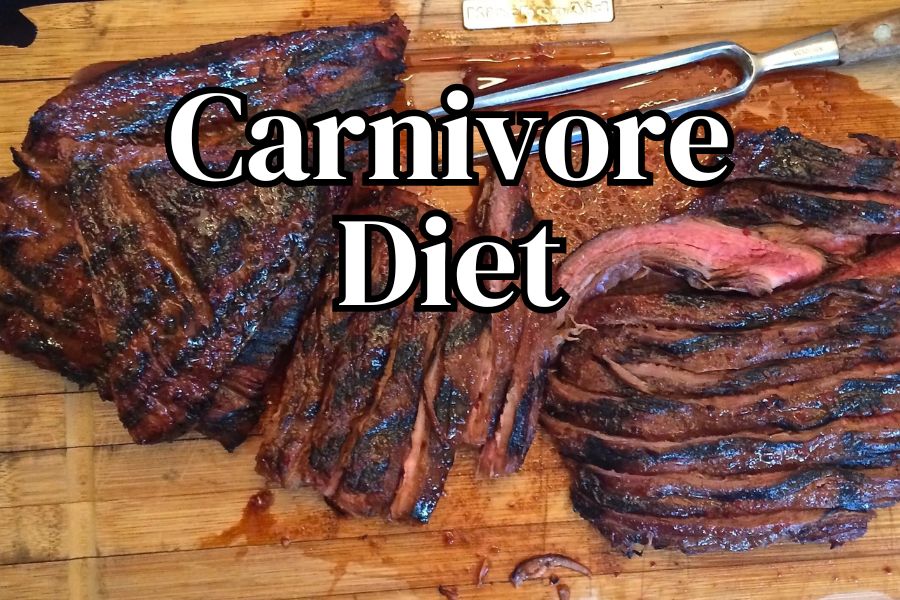
A carnivore diet can look extreme at first glance. You eat only animal foods like beef, lamb, pork, poultry, fish, eggs, and a small amount of dairy, and you avoid all plant foods. Despite its simplicity, many people are drawn to the potential benefits of carnivore diet plans for weight loss, blood sugar, and even mental health.
Before you decide whether this way of eating fits your life and goals, it helps to understand what it can realistically do, where the evidence is strong, and where it is mostly anecdotal.
Understand what the carnivore diet is
On a classic carnivore diet, you eat exclusively animal products. That typically includes:
- Beef, lamb, pork, and game
- Poultry like chicken and turkey
- Fish and shellfish
- Eggs
- Animal fats such as tallow, lard, and butter
- Optional small amounts of low-lactose dairy like hard cheese
You avoid fruits, vegetables, grains, legumes, nuts, seeds, and all processed foods. In practice, this is a zero carb or near zero carb plan. People follow it for different reasons, from rapid weight loss to trying to calm autoimmune symptoms.
Supporters argue that this pattern reflects how your distant ancestors might have eaten and that it simplifies food choices while cutting out modern ultra processed products. As Cleveland Clinic notes, many advocates believe it can help with weight loss and even protection from chronic disease by eliminating carbohydrates and plant foods, although they also point out that solid scientific research is limited so far (Cleveland Clinic).
Support weight loss and body composition
If you are considering carnivore for weight loss, you are not alone. Many people are drawn to it because it feels straightforward and results can show up quickly.
A few key features explain why you might lose weight on this way of eating.
High protein increases fullness
The carnivore diet is naturally high in protein. Protein is the most filling macronutrient, so large servings of meat and eggs can help you feel satisfied on fewer calories. The British Heart Foundation notes that the weight loss you see is more likely due to high protein intake and cutting out calorie dense processed foods rather than any magic of ketosis itself (British Heart Foundation).
When you are full, snacking becomes less appealing, late night cravings ease up, and it gets easier to stay in a calorie deficit without tracking every bite.
Zero carb reduces water weight and appetite swings
Once you remove carbohydrates, especially refined ones, your stored glycogen drops and you naturally lose some water weight. This can be motivating in the first couple of weeks.
More importantly, you are not riding the blood sugar roller coaster anymore. Big swings in blood sugar often drive energy crashes and urgent hunger. By relying on protein and fat, your blood sugar responses to meals are lower and steadier. In the short term, that can reduce overall calorie intake because you are not constantly chasing your next quick carb fix (British Heart Foundation).
Extreme simplicity cuts out high calorie foods
With carnivore, most of the highest calorie, lowest nutrient foods in a typical diet simply disappear: cookies, pastries, chips, candy, ice cream, flavored coffee drinks, and sugary sodas. Baylor Scott & White highlights that eliminating these highly processed carbohydrates and added sugars can be a meaningful positive aspect of the diet (Baylor Scott & White).
When those options are not on the table, you stop spending willpower on constant decisions about treats. Instead, you are choosing between steak or eggs, not between steak and a pint of ice cream.
Improve blood sugar and insulin control
If you struggle with energy crashes, brain fog after meals, or insulin resistance, you might be interested in the potential blood sugar benefits of a carnivore diet.
Because animal foods contain almost no carbohydrates, your meals cause much smaller blood sugar spikes. The British Heart Foundation notes that eating mainly protein and fat tends to produce lower blood sugar responses than carbohydrate based meals, which can help your levels come down in the short term (British Heart Foundation).
Camarata Chiropractic points out that cutting sugar and refined carbohydrates can reduce insulin spikes and overall metabolic stress, which can be especially helpful if you live with insulin resistance, metabolic syndrome, or inflammatory joint pain (Camarata Chiropractic).
If you take medications for diabetes or blood pressure, it is essential to work closely with your healthcare provider before making a change this drastic. Fast shifts in blood sugar and weight can affect how your medications work and what dose you need.
Calm inflammation and digestive symptoms
Many people try carnivore as an elimination diet when they suspect food sensitivities or chronic inflammation but cannot pinpoint the triggers.
Removing common irritants
On carnivore, you automatically eliminate:
- Sugar and refined starches
- Seed oils and many processed fats
- Gluten containing grains
- Legumes, nuts, and seeds
- Fibers that ferment in the gut
Camarata Chiropractic explains that by removing potential gut irritants like fermentable fibers, lectins, and oxalates, as well as highly processed foods, you may reduce gut stress and calm inflammation. People with IBS, autoimmune conditions, bloating, or food sensitivities sometimes report less pain and fewer flares on this type of elimination plan (Camarata Chiropractic).
The team at CarnivoreSnax notes that animal based diets are naturally rich in nutrients like omega 3 fats, vitamin B12, and iron, which support muscle recovery and general health. Some research they cite suggests that low carbohydrate diets can reduce certain inflammation markers more than low fat diets, although more high quality studies are still needed (CarnivoreSnax).
Real world symptom relief
Across clinics and online communities, you will find many people who report improvements in:
- Joint and muscle pain
- Digestive distress and bloating
- Autoimmune flares
- Skin issues
- Fatigue and “brain fog”
Camarata Chiropractic attributes many of these shifts more to the removal of problematic foods than to any special property of meat itself (Camarata Chiropractic).
At the same time, experts like those at Baylor Scott & White and St. Vincent’s Medical Center warn that a no carb, all meat diet can increase health risks over time, including higher LDL cholesterol, heart disease, digestive issues, kidney stress, and increased colon cancer risk, partly because you miss out on the protective fiber and plant compounds in fruits, vegetables, and whole grains (Baylor Scott & White, St. Vincent’s Medical Center).
Experience mental clarity and mood shifts
One of the more surprising reported benefits of carnivore diet eating is its impact on mental health for some people.
At the Boulder Carnivore Conference, clinicians and patients shared stories of significant improvements in serious, long standing psychiatric symptoms after switching to an all meat diet. Psychology Today reports that many individuals described profound and rapid shifts in both brain and body chemistry, often in a positive direction, and some scientists argue that all meat diets might be especially supportive of brain health, although this is still an emerging area of research (Psychology Today).
When you cut sugar and refined carbs, you often notice:
- Fewer afternoon crashes
- More stable focus throughout the day
- Less intense mood swings between meals
Camarata Chiropractic also highlights that removing certain foods can calm the gut brain axis and reduce immune system overstimulation. That combination may help stabilize cortisol and other stress hormones, which could lower inflammation in the nervous system and improve how you feel mentally (Camarata Chiropractic).
If you take psychiatric medication, it is vital to work closely with your prescriber before and during any major dietary shift. Psychology Today emphasizes that a carnivore diet can significantly change medication levels, side effects, and how your body responds in the first month or two (Psychology Today).
Recognize the limits and long term risks
For all the potential benefits of carnivore diet plans, you also need a clear picture of what might be missing.
Cleveland Clinic, Baylor Scott & White, St. Vincent’s Medical Center, and University Hospitals all stress some common concerns:
- You completely cut out fruits, vegetables, grains, legumes, nuts, and seeds that provide vitamins, minerals, fiber, and protective plant compounds. Over time this can lead to nutrient deficiencies (Cleveland Clinic, St. Vincent’s Medical Center).
- Very high intakes of red and processed meats have been linked with increased risks of colon cancer and heart disease. A no carb plan that leans heavily on these foods may raise LDL cholesterol or inflammation markers in some people (St. Vincent’s Medical Center, British Heart Foundation).
- The restrictive nature of carnivore makes it hard to sustain socially and emotionally. Many people find it challenging to maintain long term, even if the first weeks feel great (Baylor Scott & White, University Hospitals).
University Hospitals describes carnivore as an extreme form of keto. It can be very effective for rapid weight loss because carbohydrate intake is virtually zero, but its extreme food rules often make it an unsustainable lifelong plan (University Hospitals).
Professionals like Shannon Haynes, RD, at St. Vincent’s Medical Center recommend a more balanced approach for long term health, such as using the MyPlate method. In that model, you fill half your plate with vegetables, and the rest with a mix of protein and healthy carbohydrates for steady, sustainable weight management (St. Vincent’s Medical Center).
If you decide to experiment with carnivore, think of it as a short term, structured trial rather than a permanent lifestyle unless you work very closely with a knowledgeable healthcare team.
Decide if a carnivore diet is right for you
The benefits of carnivore diet eating are most compelling if:
- You want a simple, rule based structure that eliminates guesswork
- You are trying to quickly cut out sugar and ultra processed foods
- You suspect certain foods worsen your symptoms and you want a strict elimination trial
- You thrive on higher protein intake and feel better with fewer carbs
To move forward safely, you can:
- Talk with your doctor or a registered dietitian, especially if you take any medications or have a history of heart, kidney, digestive, or mental health conditions.
- Set a defined trial period, such as 2 to 4 weeks, instead of going in with a vague “forever” plan.
- Track how you feel, including energy, digestion, mood, sleep, and lab work if possible.
- Plan how you will reintroduce nutrient dense plant foods if you decide a strict carnivore approach is not for you.
You do not have to go all in on an all meat diet to benefit from some of its principles. Simply cutting added sugars, refined carbs, and ultra processed snacks, while increasing high quality protein and whole foods, can move you closer to your goals in a more flexible way.
Use the information here as a starting point, stay curious about how your body responds, and keep your long term health at the center of whatever eating pattern you choose.
About the Author