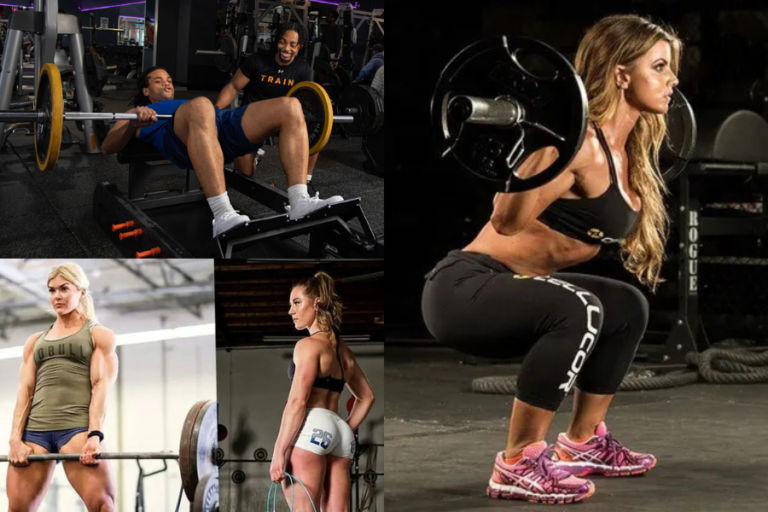
Why a beginner back workout matters
If you are starting strength training, a well designed beginner back workout belongs near the top of your list. Training your back builds a stronger posture, supports every other lift you do, and can even help your waist look smaller by creating that V taper shape.
Your back is not just one big muscle. A good beginner back workout targets several key areas at once:
- Latissimus dorsi (lats) for width and the V shape
- Traps and rhomboids for posture and upper back thickness
- Rear delts to balance all the chest work you might be doing
- Erector spinae and lower back to support your spine and reduce pain
As Mike Krajewski, C.S.C.S., explains, consistent back training is essential for posture, a more defined upper body, and a smaller appearing waist as your lats grow and your shoulders broaden.
Training your back early in your lifting journey also helps reduce your chances of future back issues, which many people experience at some point in life according to a Men’s Health poll that found 87% of men will deal with a bad back.
Know your beginner back workout goals
Before you load up a bar, get clear on what you are trying to accomplish. As a beginner, your back workout should focus on three goals:
- Learn proper form and movement patterns
- Build a base of strength and muscle evenly across your back
- Stay consistent enough that soreness decreases and progress increases
You do not need a long, complicated routine for this. Research recommends that a beginner back workout consists of about 3 to 4 exercises and 7 or more total sets that you perform once per week. You can always expand the routine after about 6 months of training.
How often to train your back
If you have 0 to 6 months of lifting experience, training your back once per week is usually enough. This gives your muscles time to adapt to new movements and recover fully between sessions.
You can place your beginner back workout in a few ways:
- As part of a full body routine once or twice per week
- In a push or pull split, where your back is trained on your pull day
- Paired with biceps or shoulders if you prefer traditional body part days
If you combine back with other muscles, you can still aim for about three to four back exercises in that session. Recovery is just as important as the work itself.
Warm up for back day
A solid warm up makes your beginner back workout safer and more effective. Instead of jumping straight into heavy sets, prepare your muscles and joints first.
Use this simple structure:
- General warm up, 3 to 5 minutes
- Light cardio like brisk walking, a gentle bike, or an easy row
- Goal is to raise your heart rate and body temperature slightly
- Back specific activation, 3 to 5 minutes
- Banded pull aparts
- Light band rows
- Cat cow or gentle spinal flexion and extension
- Warm up sets for your first exercise
- Do at least 2 warm up sets before your first main lift
- Use lighter weight but the same number of reps you plan to use on your working sets
- For later exercises, one warm up set is often enough
This approach wakes up your lats, traps, and lower back, improves your mind muscle connection, and helps prevent injuries. Warm ups and activation work are especially important when you are learning new movements.
Gym based beginner back workout
If you have access to a gym, using back machines can be a very beginner friendly way to start. They guide you through proper form, control the path of the weight, and reduce the need for a spotter.
Here is a straightforward beginner back workout you can follow once per week:
- Lat pulldown machine
- 3 sets of 10 to 12 reps
- Focus on pulling the bar to your upper chest
- Keep your torso still and think about driving your elbows down toward your sides instead of tugging with your hands
- Seated row machine
- 3 sets of 10 to 12 reps
- Sit tall, do not let your shoulders round forward
- Pull the handle toward your lower ribs and squeeze your shoulder blades together
- Assisted pull up machine
- 3 sets of 8 to 10 reps
- Use assistance that lets you move with control through a full range of motion
- Maintain a neutral spine to keep stress off your low back
- Seated back extension machine
- 3 sets of 15 reps
- Move slowly and avoid hyperextending your lower back at the top
- Engage your core so you are not just swinging the weight
Machines make it easier to train your back with higher volume and progressive overload since the resistance is stable and controlled. This is helpful when you are still building coordination and strength.
Form tips for machine exercises
To get the most out of machines in your beginner back workout, pay attention to small setup details:
- Adjust the seat and pads so your joints are in line with the machine’s pivot points
- Test different grips to see where you feel your lats and upper back work the most
- Use slow, controlled repetitions, taking at least 2 seconds to lift and 2 seconds to lower
- Keep your core braced and avoid leaning or swinging for momentum
If you feel unsure, ask a trainer at the gym to check your setup and form. Getting it right early saves you from bad habits later.
At home beginner back workout
You can still build an impressive back if you prefer training at home. Free weights and bodyweight exercises can cover every major back muscle when you choose them well.
Pick 3 of the exercises below and run them as your main beginner back workout once per week. Start with two sets of 10 to 12 reps for each exercise. As you get stronger, you can add a third set or slowly increase your weights.
Deadlifts (dumbbell or barbell)
Deadlifts are one of the best movements for your lower back and entire posterior chain, but they need to be done carefully.
- Start with the bar or dumbbells raised 8 to 10 inches off the ground if possible
- Keep your chin slightly up, chest open, and back straight
- Hinge at your hips, not your lower back
- Push through your heels and stand tall at the top, then lower the weight under control
If you are new to deadlifts, stay light and focus on form. Practicing with light weights or even just a dowel is a smart way to learn the pattern before you challenge yourself.
One arm dumbbell rows
Dumbbell rows are excellent for building your lats and mid back one side at a time.
- Brace one hand and knee on a bench or sturdy surface
- Keep your back flat and your head in line with your spine
- Pull the dumbbell toward your hip, not your armpit
- Pause briefly at the top to feel your back muscles contract
Start with light weight and think about driving the elbow back instead of curling with your biceps.
Barbell rows
If you have a barbell, bent over rows can add thickness to your entire upper back.
- Hinge at your hips with a slight knee bend, keep your back neutral
- Grip the bar a bit wider than shoulder width
- Pull the bar toward your lower ribs or belly button
- Lower the bar slowly while keeping tension in your back
Since this is a heavier compound movement, start with one or two low weight sets until the position feels comfortable.
Pull ups and assisted pull ups
Pull ups are a classic back builder, and they are worth working toward, even if you currently cannot do a full one.
Options for beginners:
- Use an assisted pull up machine at the gym
- Loop a resistance band around the bar and under your knees or feet
- Perform supported pull ups by keeping one foot on a bench or box
Keep your spine neutral and avoid excessive swinging. If you struggle to feel your lats, imagine you are squeezing an orange in each armpit as you pull yourself up. This simple cue often improves mind muscle connection immediately.
Inverted rows or TRX rows
If you have a bar set at hip height or a suspension trainer, inverted rows are a great horizontal pulling option.
- Lie under the bar or straps and grab them with an overhand grip
- Keep your body in a straight line, glutes squeezed, core tight
- Pull your chest toward the bar, then lower yourself back down with control
To make the exercise easier, keep your feet closer to your body. To make it harder, straighten your legs or elevate your feet.
Bodyweight back extensions and Supermans
If your lower back needs gentle strengthening, you can start with floor based or exercise ball extensions.
- For bodyweight extensions on a ball, lie face down with the ball under your hips and thighs
- Anchor your feet against a wall if needed
- Slowly lift your chest a few inches, then lower back down
Supermans are another simple option:
- Lie face down on the floor with arms extended in front of you
- Lift your arms and legs slightly off the ground at the same time
- Hold for a brief pause, then lower under control
These lighter movements help you learn to brace and extend your spine safely before progressing to heavier back exercises.
Sample beginner back workout plans
You can mix and match the exercises above into a weekly plan. Here are two simple templates you can follow.
Option 1: Gym machine focused
Use this if you primarily train at a commercial gym.
- Lat pulldown machine, 3 sets of 10 to 12
- Seated row machine, 3 sets of 10 to 12
- Assisted pull up machine, 3 sets of 8 to 10
- Seated back extension machine, 3 sets of 15
Rest 60 to 90 seconds between sets. Perform once per week alongside your other full body or split workouts.
Option 2: Home or free weight focused
Use this if you train at home or prefer dumbbells and barbells.
- Deadlifts (dumbbell or barbell)
- 2 to 3 sets of 8 to 10 reps
- One arm dumbbell rows
- 2 to 3 sets of 10 to 12 reps per side
- Pull ups, assisted pull ups, or inverted rows
- 2 to 3 sets of as many quality reps as you can
Again, rest 60 to 90 seconds between sets. Focus more on controlled movement than on chasing heavier weights.
How many sets and reps to start with
As a beginner, you do not need a huge amount of volume to see results. In fact, doing too much can make soreness overwhelming and slow down your recovery.
A practical starting point is:
- 2 to 3 sets per exercise
- 10 to 12 repetitions on most movements
- Around 3 to 4 total exercises per back session
Over time, you can increase your sets or reps, or choose slightly heavier weights to keep making progress. Listen to your body, especially during the first few weeks, since noticeable muscle soreness is common at first but usually lessens with consistency.
Technique, safety, and common mistakes
Good form is your best long term strategy for a stronger back and fewer injuries. Some simple habits help you stay on track.
Build solid form first
- Practice new exercises with light weights or resistance bands
- Start with one or two sets until you feel comfortable with the movement
- Keep your spine neutral on pulls, rows, and deadlifts to protect your discs and ligaments
For pull ups and chin ups, maintaining a neutral spine helps you avoid straining your back muscles and spinal ligaments, which can otherwise lead to injuries like disc issues.
Avoid ego lifting
Lifting heavier than you can control is a fast way to compromise your form and shorten your range of motion. It also reduces how much your back muscles actually work and increases your risk of injury.
Signs you are ego lifting:
- You need to swing or jerk the weight to start the movement
- You cannot pause briefly at the top of each rep
- Your lower back rounds and your shoulders collapse forward
Drop the weight to a level where you can move slowly through a full range of motion. Your strength and muscle gains will come faster this way.
Balance your back training
You do not want to train only upper back or only lower back. A balanced beginner back workout includes:
- Vertical pulls, like pulldowns or pull ups, for your lats
- Horizontal pulls, like rows, for your middle back and traps
- Extension work, like back extensions or deadlifts, for your lower back and erector spinae
Vary your exercise choices over time too. Instead of doing only deadlifts or only one kind of row every week, rotate them occasionally to reduce repetitive stress and promote well rounded development.
Know when to ask for help
If a movement feels confusing or uncomfortable, it is worth getting input from a professional. A personal trainer can:
- Check and correct your form in real time
- Help you pick weights that are challenging but safe
- Suggest substitutions if a certain exercise bothers your joints
Getting a few pointers early can prevent bad habits that might take months to unlearn.
Progressing your beginner back workout
Once you have been lifting for a few months and your beginner back workout feels manageable, you can gradually increase the challenge.
You can progress by:
- Adding a set to one or two exercises
- Moving from machine variations to free weight versions
- Increasing the load slightly while keeping your form solid
- Adding a second back focused session in your week, especially if you are no longer a true beginner
If you want to add variety, you can also try more advanced options like different grip widths on pulldowns, or even specialized variations such as “2 finger” pull ups that place more emphasis on your lats.
The most important thing is that you progress slowly. You want your joints, tendons, and coordination to keep up with your muscle strength.
Putting it all together
Your beginner back workout does not have to be complicated to be effective. If you:
- Train your back once per week with 3 to 4 well chosen exercises
- Warm up thoroughly and focus on form over weight
- Include vertical pulls, horizontal pulls, and some lower back work
- Stay consistent for months, not just weeks
You will build a stronger, more defined back that supports your entire body. Pick one of the sample routines above, schedule it into your week, and stick with it. Over time, both how your back looks and how it feels will noticeably improve.
About the Author