Understand intermittent fasting muscle loss
If you are interested in weight loss and better health, you have probably wondered about intermittent fasting muscle loss at some point. You might hear that fasting helps you burn fat, then read a headline warning that it makes you lose muscle, and feel stuck in the middle.
The truth is more nuanced. Intermittent fasting (IF) can be done in ways that protect your muscle, and it can also be done in ways that slowly eat into it. Your results depend on the schedule you choose, how you eat during your eating window, and how you move your body.
In this guide, you will see what current research actually says, where the real risks lie, and how you can use intermittent fasting without sacrificing hard earned muscle.
What happens to your muscles when you fast
To understand intermittent fasting and muscle loss, it helps to look at what is happening on a basic level in your body.
Your muscle tissue is in a constant state of turnover:
- Muscle protein synthesis (MPS), when you build or repair muscle
- Muscle protein breakdown (MPB), when your body pulls protein from muscle for energy or other needs
You gain or maintain muscle when MPS is equal to or higher than MPB over time.
Fasting, feeding, and protein balance
When you fast for longer stretches, your body goes without incoming protein and energy for hours at a time. A 2021 review in Frontiers in Nutrition notes that fasting periods of 16 hours or more tend to increase muscle protein breakdown across a 24 hour period compared with eating 3 to 5 meals spread out through the day (Frontiers in Nutrition).
On the flip side, muscle protein synthesis is triggered in bursts when you eat enough high quality protein in a single meal. The same review reports that an intake of about 0.25 to 0.3 grams of protein per kilogram of body weight per meal seems to be a sweet spot for stimulating MPS, especially when you repeat that stimulus multiple times per day (Frontiers in Nutrition).
If you compress your food into a short eating window, you get fewer of these MPS spikes. That is one reason experts consider many intermittent fasting patterns to be less than ideal for building muscle, especially if you do not plan your protein carefully.
Why some people are at higher risk
You may be more vulnerable to intermittent fasting muscle loss if:
- You are older
- You are sedentary or carry more body fat
- You are already struggling to eat enough protein
The Frontiers in Nutrition review highlights that older adults and sedentary people tend to have “anabolic resistance,” which means their muscles do not respond as strongly to protein. They may need more protein or more frequent protein rich meals to get the same muscle building effect, so long fasting windows can be a bigger problem for them (Frontiers in Nutrition).
What recent studies actually show
Headlines often oversimplify the research on intermittent fasting and muscle loss. The findings are mixed and depend heavily on how fasting is done.
Time restricted eating and muscle
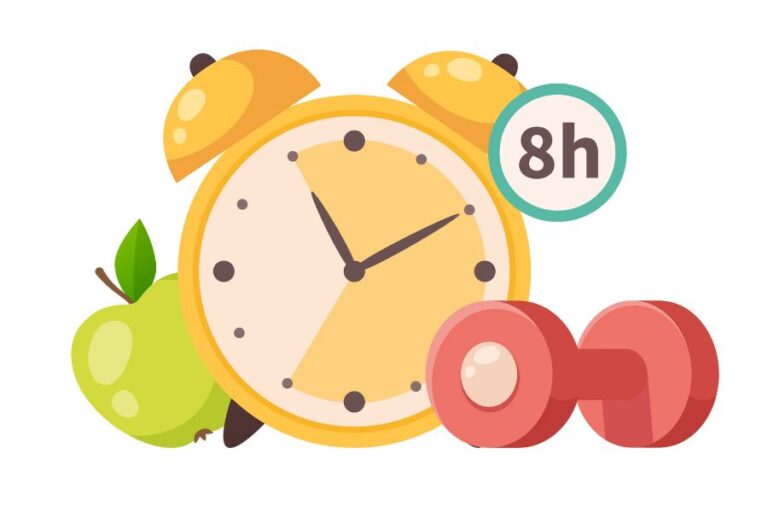
Time restricted eating (TRE) is a form of intermittent fasting where you eat all your calories within a daily window such as 8 hours, and fast for the rest of the day.
The Frontiers in Nutrition review looked at randomized controlled trials that compared TRE to more traditional eating patterns. Overall, many studies found similar preservation of fat free mass, which is a measure of everything in your body that is not fat. However, some research suggests that appendicular fat free mass, the muscle in your arms and legs, can decline over about 12 weeks on certain TRE protocols (Frontiers in Nutrition).
In other words, you might keep most of your lean mass, but lose some muscle in your limbs if you are not supporting it with smart training and nutrition.
The JAMA intermittent fasting study
A 2020 study in JAMA got a lot of attention for suggesting that intermittent fasting might cost you muscle. In this trial, people followed a 16 hour fast with an 8 hour eating window, and were compared with a group that ate at consistent times throughout the day.
After 12 weeks:
- The intermittent fasting group lost about 0.94 kilograms, roughly 2 pounds, on average
- The consistent meal timing group lost a very small, statistically insignificant amount of weight
- The intermittent fasting group also lost some muscle mass, while the consistent timing group did not (Harvard Health Publishing)
At first glance, that sounds like a clear strike against IF. However, there is important context.
Participants in this trial did not receive help with:
- Diet quality
- Protein intake
- Exercise, including resistance training
In other words, they changed when they ate, without support on what or how much to eat, or how to train. That is very different from a well planned fasting setup.
What happens when you add guidance
When intermittent fasting is combined with nutrition education and behavior support, outcomes look different.
A 2020 study in the American Journal of Clinical Nutrition followed 250 adults with overweight or obesity for a year. Those who practiced intermittent fasting along with behavioral counseling lost about 8.8 pounds on average after 12 months, and they did not have measurable muscle loss (Harvard Health Publishing).
This suggests that you are not doomed to lose muscle if you fast. The missing pieces in many “bad outcome” studies are:
- Deliberate protein intake
- Good overall diet quality
- Strength training or at least resistance exercise
How exercise shapes your results
If you want to keep or build muscle while intermittent fasting, what you do in the gym or at home matters as much as your meal timing.
Resistance training as a protective factor
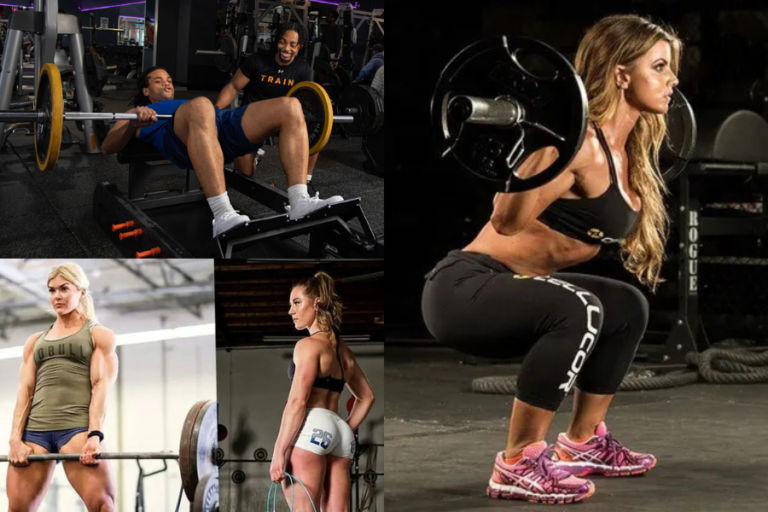
Resistance training, whether you lift weights, use bands, or do bodyweight exercises, signals your body to maintain and grow muscle. The Frontiers in Nutrition review notes that resistance exercise can reduce the negative muscle protein balance that comes with being fasted, so it helps counter muscle breakdown during longer fasting periods (Frontiers in Nutrition).
However, in short studies of about 4 to 8 weeks, combining IF with resistance training did not reliably increase fat free mass. People maintained muscle, but they did not see big gains in lean mass in that time frame. Longer term trials are still needed to understand the full picture (Frontiers in Nutrition).
Other sources aimed at practical guidance echo this idea. Articles that summarize the research note that men following a 16:8 intermittent fasting schedule while lifting weights were able to retain their muscle while losing body fat, as long as they met their calorie and protein needs and trained consistently (Simple Life).
Cardio and muscle while fasting
You may wonder if adding cardio to intermittent fasting will speed fat loss and cost you even more muscle. Moderate cardio in reasonable amounts does not have to be a problem, especially if your main goal is health or weight loss rather than maximal muscle gain.
For example, one evidence based guide suggests that about 25 to 40 minutes of moderate intensity cardio, such as using a bike or elliptical three times per week, can help you maintain lean mass during alternate day fasting without interfering with muscle gain (Simple Life).
The key is to keep cardio moderate, not extreme, and to keep strength training as your anchor.
Protein, calories, and timing: your main levers
If you want to avoid intermittent fasting muscle loss, you need to pay attention to what happens inside your eating window.
How much protein you likely need
Several expert summaries suggest protein intakes in this range when you are trying to gain or maintain muscle while fasting:
- Around 1.5 grams of protein per kilogram of body weight per day (BetterMe)
- Or roughly 0.6 to 0.9 grams per pound of body weight per day (Simple Life)
These ranges are not radically different. They both aim to give your muscles enough building material to respond to resistance training.
Equally important is how you distribute that protein. The Frontiers in Nutrition review emphasizes that MPS responds best to moderate doses of protein per meal, around 0.25 to 0.3 grams per kilogram, spread across several meals (Frontiers in Nutrition).
In practical terms, this means you are better off eating:
- 2 to 3 solid, protein rich meals during your eating window
- Rather than one giant meal with all of your protein at once
Do calories still matter?
Yes. If you cut your calories too hard while intermittent fasting, you increase your risk of losing muscle.
Some evidence suggests that intermittent fasting can sometimes preserve muscle better than a standard calorie restricted diet during weight loss efforts, but you can still lose muscle if your deficit is aggressive and you are not lifting or eating enough protein (Simple Life).
Think of your calorie intake like this:
- Modest deficit: more fat loss, better chance of maintaining muscle
- Severe deficit: faster overall loss, higher chance that some of that loss is muscle
If you want to gain muscle on IF, you will likely need at least a small calorie surplus on most days to support growth.
Carbohydrates for performance and growth
Carbohydrates do not directly build muscle, but they matter for training intensity and recovery.
A practical recommendation for gaining muscle while fasting is:
- About 1.8 to 3.2 grams of carbohydrates per pound of body weight daily, within your eating window (Simple Life)
You may not need the upper end of that range if your primary goal is fat loss and you are not training very intensely, but you still want enough carbs to fuel your workouts and daily activity.
Choosing an intermittent fasting style that protects muscle
Not all intermittent fasting methods are equally friendly to your muscles. The best choice for you depends on your goals and your lifestyle.
Why 16:8 often works best for muscle
The 16:8 method, fasting for 16 hours and eating for 8 hours each day, is often recommended when you want to gain or maintain muscle.
Sources that focus on muscle friendly fasting point out that:
- A full 8 hour eating window gives you enough room for 2 to 3 meals
- That makes it much easier to hit calorie and protein targets
- It is more practical than very short eating windows such as 20:4 or OMAD (one meal a day) for muscle gain (Simple Life, BetterMe)
The JAMA study that raised concerns about muscle loss also used a 16:8 schedule. The difference between their results and more positive experiences comes down to the details, such as training, protein, and guidance, not the schedule itself.
More aggressive fasting schedules
Some intermittent fasting approaches, like alternate day fasting or very short eating windows, can be tougher on your muscle because:
- You have fewer chances per week to eat enough protein
- It is harder to eat enough total calories, especially if you are active
- Long stretches without food may increase muscle protein breakdown
If your main goal is maximum fat loss and you are under medical supervision, these approaches might still be an option. If you care about muscle size and strength, daily time restricted eating, such as 16:8, is usually a better fit.
Practical tips to prevent intermittent fasting muscle loss
You can combine the research and practical guidance into a simple plan that fits your life. Here is how to lower your risk of muscle loss if you want to try intermittent fasting.
1. Pick a realistic eating window
Choose a fasting schedule that supports your daily routine and your training.
For many people, that looks like:
- A 16:8 schedule, such as eating from 12 p.m. to 8 p.m.
- Or a 14:10 schedule, such as eating from 10 a.m. to 8 p.m., especially if you are older or more concerned about muscle retention
A slightly longer eating window makes it easier to eat enough and to place meals around your workouts.
2. Anchor your week with strength training
Plan to do resistance training at least 2 to 3 times per week. Focus on:
- Compound exercises such as squats, deadlifts, presses, and rows
- Gradually increasing weight, reps, or sets over time
- Covering all major muscle groups across the week
This consistent signal tells your body, “You still need this muscle,” even if you are losing fat.
3. Eat enough protein at each meal
During your eating window, aim to:
- Hit your daily protein target, likely between 1.5 grams per kilogram and 0.6 to 0.9 grams per pound of body weight (BetterMe, Simple Life)
- Split that protein into at least 2, ideally 3, meals to stimulate MPS multiple times
For example, if you weigh 75 kilograms (about 165 pounds) and aim for 120 grams of protein per day, you might eat:
- 40 grams at your first meal
- 40 grams at your second meal
- 40 grams at your last meal
This pattern lines up nicely with the per meal protein recommendation from the Frontiers in Nutrition review (Frontiers in Nutrition).
4. Time meals around your workouts
You do not have to chase “perfect” timing, but you should avoid lifting heavy weights in a deeply fasted state without any plan.
You can:
- Train near the middle or end of your fasting window, then eat a protein rich meal soon after
- Or train during your eating window, with a protein and carb meal 1 to 2 hours before and after your workout
If you must train completely fasted, some expert sources suggest that sipping branched chain amino acids (BCAAs) during your workout may help reduce muscle breakdown, though this is a secondary tactic, not a replacement for overall protein and calorie intake (BetterMe).
5. Avoid extreme calorie cuts
Especially at the start, keep your calorie deficit modest if fat loss is your goal. Signs that you might be cutting too hard include:
- Rapid weight loss in the first few weeks that continues at a very fast pace
- Noticeable drops in strength or training performance
- Feeling constantly drained or hungry
If you prefer to gain muscle while fasting, you may need to eat at or slightly above maintenance on training days and avoid very low calorie days.
6. Watch for early warning signs in your body
You will not see “intermittent fasting muscle loss” overnight, but your body often gives you hints that your approach needs adjusting:
- Your clothes feel looser everywhere instead of mainly at the waist
- Your lifts in the gym are sliding downward week after week
- You feel weaker doing everyday tasks
If you notice these patterns, it is worth reassessing your protein, total calories, and training plan. You may need a longer eating window, more food, or a different fasting schedule.
When intermittent fasting might not be ideal
Intermittent fasting is a tool, not a requirement. It may not be the best fit for you if:
- You are an older adult with concerns about muscle loss or bone health
- You are recovering from significant weight loss or illness
- You have a history of disordered eating or find strict food rules stressful
- Your schedule makes consistent meal timing during a short window unrealistic
The Frontiers in Nutrition review specifically flags that older adults and sedentary individuals may be more susceptible to poor muscle outcomes on strict fasting routines, because their muscles are already less responsive to protein (Frontiers in Nutrition).
If you are in one of these groups, a more traditional eating pattern with evenly spaced, protein rich meals may be a safer foundation, and you can still practice gentle calorie control without prolonged fasting.
Key takeaways you can use
To pull everything together and make it practical, here are the main points to remember about intermittent fasting and muscle loss:
- Fasting by itself slightly tilts your body toward muscle protein breakdown, especially with long fasting windows
- Muscle protein synthesis works best when you eat enough protein multiple times per day, even if your eating window is somewhat restricted
- Intermittent fasting can lead to muscle loss if you ignore protein, calories, and strength training, as seen in the 2020 JAMA study (Harvard Health Publishing)
- When you pair intermittent fasting with nutrition guidance, adequate protein, and consistent physical activity, research shows you can lose weight without measurable muscle loss (Harvard Health Publishing)
- A 16:8 schedule is one of the most muscle friendly IF patterns because it gives you time to eat enough food and protein every day (Simple Life, BetterMe)
If you decide to try intermittent fasting, start with a manageable eating window, build your week around strength training, and treat protein as a priority at every meal. From there, you can adjust based on how your energy, strength, and body composition respond.
You do not have to choose between better health and maintaining your muscle. With a thoughtful plan, intermittent fasting can be one tool among many that supports both.
About the Author