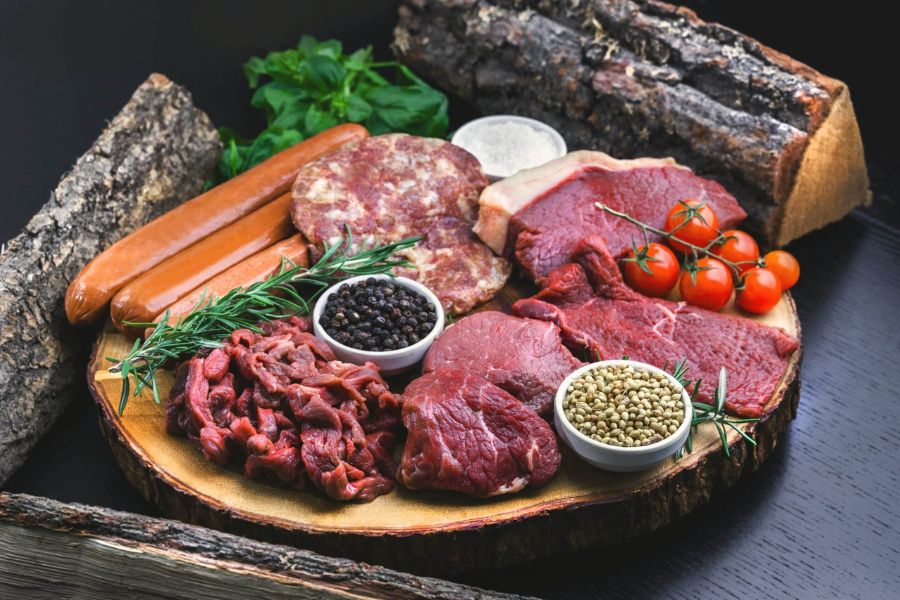
A carnivore diet for weight loss can sound almost too simple. You eat mostly meat, you skip all carbs, and the scale is supposed to drop. In reality, the carnivore diet is one of the most restrictive eating patterns you can follow, and you need a clear plan if you want real and lasting change instead of a short, exhausting sprint.
Below, you will learn how the carnivore diet works for weight loss, what the science and experts say, smart “hacks” to make it more effective, and when this approach might not be right for you.
Understand what the carnivore diet really is
Before you count on carnivore diet weight loss, you need to know exactly what you are signing up for.
The carnivore diet:
- Allows only animal-based foods like meat, fish, eggs and some dairy
- Eliminates all carbohydrates, including fruits, vegetables, grains, legumes, nuts and seeds
- Is essentially a “zero carb” way of eating and an extreme version of keto (Harvard Health Publishing)
You eat foods like beef, pork, chicken, fish, seafood, eggs, and limited dairy such as hard cheese or butter. You drink water, and in some versions, black coffee or plain tea. That is it.
Medical organizations describe the carnivore diet as highly restrictive and warn that it cuts out entire food groups such as fruits, vegetables and whole grains, which can raise your risk of nutrient deficiencies and long-term health problems (Cleveland Clinic, Inspira Health Network).
Understanding how narrow this diet is will help you decide if it is realistic for your life and how carefully you need to plan.
Learn how carnivore weight loss actually works
You often hear dramatic stories about carnivore diet weight loss, like people losing 20 to 50 pounds in a few months, or dropping medications for blood pressure or blood sugar (The Primal). There are also reports of fat loss combined with some muscle gain or plateaus after an initial drop (Chief Nutrition).
These results are real for some people, but they are individual stories, not controlled research. Most of the claimed benefits such as reduced inflammation or better mood are anecdotal, not backed by strong long-term studies (Cleveland Clinic, Inspira Health Network, Baylor Scott & White Health).
There are three main reasons you might lose weight on a carnivore diet:
-
You naturally eat fewer calories
Protein is filling, and when your plate is just steak or eggs, you are less likely to overeat compared to meals that include calorie-dense processed carbs like cookies, chips and soda. Cutting those foods can lower your total calorie intake, which drives weight loss (Baylor Scott & White Health). -
You enter ketosis and burn more fat
With almost no carbs, your body starts burning fat for fuel and produces ketones, a state called ketosis. The carnivore diet is considered “the most ketogenic diet” because it allows almost no carbohydrates (Harvard Health Publishing, Baylor Scott & White Health). This can speed fat loss for some people. -
You remove many trigger foods
If you tend to binge on sweets, bread or snacks, removing them completely might break that cycle and make it easier to stay on track. Several personal accounts describe losing sugar and alcohol cravings after starting carnivore (The Primal).
At the same time, major health organizations emphasize that there is no strong scientific proof that carnivore is better than other balanced weight-loss methods in the long run and that its extreme restrictions can create significant health risks (British Heart Foundation, Harvard Health Publishing, University Hospitals).
Weigh short-term results against long-term risks
To make a smart decision, you need a clear picture of both sides: the potential benefits you are hoping for and the risks you might be taking on.
Possible short-term upsides
Some people report:
- Fast initial weight loss, often in the first month or two
- Reduced hunger and fewer cravings
- More stable energy and less brain fog
- Improvements in digestive complaints or autoimmune-type symptoms
For example, individuals have shared stories of dropping 10 to 25 pounds in a few months, easing IBS, joint pain or skin issues, and even completing endurance events with better energy after an adaptation period (The Primal, Chief Nutrition).
Again, these are self-reports. They show what is possible for some people, not what you can guarantee for yourself.
Real and documented risks
Health experts are much more consistent when they talk about the downsides.
Common concerns include:
-
Nutrient deficiencies
By cutting out fruits, vegetables, whole grains, legumes, nuts and seeds, you lose major sources of fiber, vitamin C, phytonutrients and other protective compounds. This can increase disease risk over time (Cleveland Clinic, Inspira Health Network, Baylor Scott & White Health). -
Digestive issues
With almost no fiber, constipation and other gut problems become more likely (Baylor Scott & White Health). -
Heart and metabolic risks
A very high intake of saturated fat from animal foods can raise LDL, the “bad” cholesterol, and potentially increase your risk of heart disease, kidney stones, gout, osteoporosis and kidney strain (Harvard Health Publishing, St. Vincent’s Medical Center). -
Cancer risk
High red and processed meat intake, especially without the protective effect of plant foods, may raise colon cancer risk (St. Vincent’s Medical Center). -
Sustainability and mental strain
Many experts point out that the diet is extremely difficult to maintain socially and emotionally, and they do not recommend it as a long-term strategy (St. Vincent’s Medical Center, British Heart Foundation).
Harvard Health Publishing, the British Heart Foundation and others clearly advise against using the carnivore diet as a go-to weight-loss solution, and instead recommend more balanced patterns, such as a Mediterranean-style diet, for safer, sustainable results (Harvard Health Publishing, British Heart Foundation).
If you still want to experiment with carnivore, the next sections will help you do it in a more thoughtful, results-focused way.
Set clear goals and limits before you start
A big mistake is jumping into a carnivore diet without a plan. You see rapid weight loss stories and assume the diet will do the work for you. Instead, treat it like a short, structured experiment.
Ask yourself:
- What specific outcome do you want, for example, 10 pounds lost, fewer cravings or more stable energy?
- How long are you willing to try this? Many people find it useful to think in a 30 to 60 day window instead of “forever.”
- What health conditions do you have that might make carnivore risky, such as heart disease, kidney issues or a history of high cholesterol?
Medical sources strongly suggest checking in with your doctor or a registered dietitian before starting any restrictive plan so you can monitor cholesterol, kidney function and nutrient status and adjust if needed (Inspira Health Network, Saint Alphonsus, University Hospitals).
By deciding on your goals, timeframe and medical safety checks up front, you avoid drifting into an extreme pattern that lasts far longer than you intended.
Use smart hacks to improve results and reduce risks
If you decide that carnivore diet weight loss is worth testing, these practical “hacks” can help you get better results and protect your health as much as possible.
1. Transition gradually instead of overnight
Going from a high-carb diet to zero carbs overnight can leave you tired, foggy and irritable. You may be more likely to quit in the first week.
Some health professionals suggest that you first shift to a low-carb, high-fat pattern, then move to stricter carnivore. This gives your body time to adapt to burning fat and ketones for fuel and can ease the discomfort of the transition (Saint Alphonsus).
In practice, you might:
- Cut out refined carbs and sugar in week one, for example, soda, candy, baked goods and white bread.
- Reduce starchy foods like pasta, rice and potatoes over week two.
- Move to full carnivore in week three, focusing on meat, fish and eggs.
This step-by-step approach can still lead you into ketosis but with less shock to your system.
2. Prioritize leaner protein over constant high fat
Many people assume that the more fat they eat on carnivore, the better. However, some personal success stories suggest that shifting the focus toward protein instead of very high fat may help with fat loss and body composition.
For instance, one woman who plateaued and gained belly fat on a high-fat version of the diet reported better weight loss and energy after prioritizing protein over fat (The Primal). Others have noted unintended weight gain and feeling heavy when their fat intake was too high, and they needed to adjust their fat-to-protein ratio and portions to keep losing weight (Chief Nutrition).
You can experiment with:
- Building meals around leaner cuts like sirloin, top round, pork loin, chicken thighs or white fish
- Using fat as a complement, for example, cooking in butter or tallow, not drowning everything in it
- Tracking how your hunger, energy and weight change as you adjust portions
The key is to find a balance where you feel satisfied but still create a calorie deficit over time.
3. Include organ meats for better nutrition
Because carnivore cuts out every plant food, you need to be intentional about the nutrients you do get.
Organ meats like liver and kidney are especially rich in vitamins and minerals that support energy, immune function and overall health. Including them regularly can help cover some of the nutritional gaps created by such a limited food list (Saint Alphonsus).
If you are new to organ meats, you might:
- Start with small amounts, such as 1 or 2 ounces of liver once or twice a week
- Mix finely chopped liver into ground beef for burgers or meatballs
- Try milder organs, like chicken liver, before moving to stronger flavors
This step does not solve every nutrient issue, but it is one of the most effective ways to get more value from the limited foods you do eat.
4. Hydrate more and manage electrolytes
Low-carb diets can cause your body to lose water and electrolytes in the early stages. If you feel lightheaded, weak or deal with headaches, dehydration and low sodium may be part of the problem.
Guidance around starting carnivore often includes:
- Drinking enough water throughout the day
- Making sure you get adequate salt and possibly other electrolytes as you adapt
This can ease the initial slump and make it easier to stay consistent (Saint Alphonsus).
5. Watch your body, not just the scale
Weight is only one marker. To know whether carnivore is helping or hurting, track a fuller picture:
- Energy and focus throughout the day
- Mood and sleep quality
- Digestive comfort or discomfort
- Lab markers like cholesterol, kidney function and blood sugar if your doctor orders them
For example, one self-experiment found improved running performance and less soreness after an initial 2 to 3 weeks of feeling heavy and slow on carnivore, but also showed some body fat gain along with muscle gain on a DEXA scan (Chief Nutrition).
By paying attention to more than just pounds, you can decide if the trade-offs are worth it.
Know when carnivore is not your best move
The most powerful “hack” for real and lasting change might be recognizing when to step away from an extreme plan.
Nutrition experts repeatedly warn that:
- The long-term health effects of the carnivore diet are largely unknown
- The diet is very high in saturated fat and very low in fiber
- It is not recommended for people with heart disease, kidney problems, nutrient deficiencies, pregnant women, children or those with compromised immune systems (Harvard Health Publishing, University Hospitals)
Registered dietitians often suggest more balanced patterns like the MyPlate model, where half your plate is vegetables, a quarter is protein and a quarter is healthy carbohydrates, or a Mediterranean style diet rich in plants and lean protein, as safer ways to lose weight and support long-term health (St. Vincent’s Medical Center, British Heart Foundation).
If you feel increasingly restricted, anxious about food or unwell on carnivore, listening to those signals is not “failing.” It is adjusting your method to protect your long-term health.
Turn any experiment into lasting change
Whether you try carnivore or not, lasting weight loss depends on habits you can see yourself keeping.
You will make more progress over a year by consistently following a mostly balanced, minimally processed diet you can stick with than by jumping in and out of extreme plans that leave you depleted.
If you decide to test carnivore:
- Do it for a defined period, not as an automatic lifetime rule
- Check in with your healthcare provider before and during, especially if you have existing conditions
- Use the hacks above to protect your health and improve your odds of success
- Be ready to transition to a more balanced pattern once your experiment ends
Your goal is not just a lower number on the scale next month. It is a way of eating that helps you feel stronger, healthier and more in control, year after year.
About the Author