A low carb diet vegetarian plan can be a powerful way to improve your health, manage your weight, and keep eating in line with your values. You do not have to choose between plants and protein, or between blood sugar control and satisfaction. With some planning and a bit of label reading, you can have all three.
Below, you will learn how a low carb vegetarian diet works, what the real benefits and drawbacks look like, and how to build balanced meals that support your long term health.
Understand what “low carb vegetarian” really means
Low carb can mean very different things from one plan to another. If you eat meat, some diets cut carbs to fewer than 50 grams per day. As a vegetarian or vegan, that level is usually too restrictive to be practical or nutritionally complete.
How low is “low carb” for you
Research suggests that vegetarians can often go lower in carbs than vegans because you can rely on eggs and dairy, which are naturally low in carbohydrates and high in protein and fat (Healthline). In many cases:
- As a vegetarian, keeping carbs below about 100 grams per day can be realistic.
- As a vegan, a range of about 100 to 150 grams per day is more practical if you want to avoid extreme restriction (Healthline).
In both cases, using a nutrition tracker, such as Cron-o-meter, helps you see where your carbs are coming from and whether you are getting enough protein, fat, and key vitamins and minerals (Healthline).
Types of vegetarian low carb diets
Your approach can fall anywhere on a spectrum:
- Lacto-ovo vegetarian, which includes eggs and dairy
- Lacto vegetarian, which includes dairy but not eggs
- Ovo vegetarian, which includes eggs but not dairy
- Vegan, which includes no animal products
Lacto-ovo approaches give you the widest range of low carb options. Eggs and dairy provide protein, fat, and vitamin B12, which you do not get from plants alone (Healthline).
Key health benefits you might notice
If you follow a thoughtful low carb diet vegetarian style, you can see improvements in weight, blood sugar, and several heart health markers. At the same time, well planned vegetarian eating on its own has its own benefits, especially for blood sugar and cardiovascular health.
Easier weight management
Multiple studies show that low carb diets help people lose weight without strict calorie counting. A big reason is appetite control. When you cut carbs and increase protein and healthy fats, many people naturally eat fewer calories because they simply feel less hungry (Healthline).
On the vegetarian side, high fiber, minimally processed plant foods also support fullness. A randomized clinical trial found that a low fat vegan diet improved body weight and reduced diabetes markers more than a conventional diabetes diet, partly because of its high fiber and whole food focus (NCBI). This shows that quality matters as much as the carb number.
In practice, combining these ideas means you focus on:
- More protein and healthy fats
- Plenty of non starchy vegetables
- Fewer refined starches and sugars
This blend often leads to gradual, sustainable weight loss rather than quick, hard to maintain drops.
Better blood sugar and insulin response
Low carb eating tends to lower blood sugar levels and reduce large spikes, which can be helpful if you have insulin resistance, prediabetes, or type 2 diabetes (Healthline). Vegetarian diets can also improve glucose control because they are often higher in fiber and lower in saturated animal fats.
A 2023 review reported that vegetarian diets, especially when they are minimally processed, have glucose lowering and insulin sensitizing effects. The benefits were linked to high fiber intake, lower glycemic index foods, and lower intake of certain animal proteins (NCBI).
The most important piece for you is overall pattern. Non starchy vegetables, whole soy, nuts, and seeds paired with moderate carbs from lentils or quinoa will usually treat your blood sugar better than vegetarian meals heavy in white bread and sugary drinks, even if the total carb number looks similar.
Cardiovascular and metabolic health
Low carb diets have shown benefits for several heart related markers. Research has found improvements in:
- Harmful belly fat
- Triglycerides
- HDL, the “good” cholesterol
- Blood pressure
- Blood sugar levels
These changes can support people with obesity, metabolic syndrome, or type 2 diabetes (Healthline).
Vegetarian and vegan diets bring their own cardiovascular perks. Randomized clinical trials show that these eating patterns can significantly reduce systolic and diastolic blood pressure, body weight, total cholesterol, LDL cholesterol, and HbA1c (NCBI). The benefits are largest with higher intake of whole grains, legumes, and vegetables, and lower intake of processed foods.
When you put the two together, a low carb vegetarian diet that limits refined starches and unhealthy fats and prioritizes whole plant foods can be a strong tool for protecting your heart and metabolism.
The quality of your carbs, fats, and proteins usually matters more than hitting a single “perfect” carb number.
Evidence, myths, and what research actually shows
You may have heard that low carb diets demand a lot of meat, or that vegetarian eating is automatically high carb. Neither is fully true.
Can you really go low carb as a vegetarian or vegan
Many people assume a low carb diet vegetarian style is impossible because meat is absent. However, experts note that low carb vegetarian diets do exist and can be effective. Lacto-ovo vegetarians can reduce carbohydrate intake by choosing low carb dairy and eggs without added sugar. Vegans can rely on low carb plants that are higher in protein and fat as alternatives to bread, pasta, and sugary snacks (Arizona Gynecology Consultants).
Studies have even tested a low carb vegan approach called Eco Atkins, where about 26 percent of calories come from carbs. This pattern was found to be healthier than regular low fat diets and low fat vegetarian diets in some research (Healthline).
How low carb compares to higher carb plant based diets
Interestingly, a 2021 NIH study compared two extremes:
- A low fat, plant based diet very high in carbohydrates, about 75 percent of calories
- A low carbohydrate, animal based diet
Participants lost weight on both diets. However, those on the low fat plant based diet ate 550 to 700 fewer calories per day and lost more body fat, even though their blood sugar and insulin levels were higher due to the higher carb intake (NIH).
Meals on the high carb plant based plan included baked sweet potato, chickpeas, broccoli, and oranges (NIH). This suggests that if your main goal is appetite control and body fat loss, you can succeed with different carb levels as long as you stay focused on whole, minimally processed foods.
What this means for you: you do not have to chase the lowest possible carb intake to see benefits. A moderate carb vegetarian pattern that avoids refined starches and sugar can be enough, especially when protein, fiber, and overall food quality are high.
Risks and drawbacks to watch out for
Like any restrictive plan, a low carb diet vegetarian approach comes with potential pitfalls. Knowing them early helps you design a more balanced way of eating.
Possible nutrient gaps
Very low carb diets can limit fruits, legumes, and whole grains, which are some of your main sources of:
- Vitamin C
- Potassium
- Dietary fiber
A 2024 overview noted that restricting nutrient rich carbohydrates may lead to deficiencies that can affect immune function and digestion (Healthy For Life Meals). For vegetarians and vegans, vitamin B12 is another concern because it does not occur naturally in plant foods. If you cut back on dairy and eggs or are fully vegan, you will need a reliable B12 supplement to avoid problems like megaloblastic anemia and neuropathy (NCBI).
Iron, zinc, calcium, and protein intake also deserve attention, especially in children, pregnant people, and older adults, since shortages can affect bone health and growth (NCBI).
Fiber and gut health
Low carb plans often reduce fiber because many high fiber foods are also higher in carbs. Long term lack of fiber can disrupt the gut microbiome and may increase risk of inflammation, obesity, and diabetes. A 2024 article pointed out that low carb diets that are too strict can narrow fiber intake enough to cause digestive issues and weaken immune function (Healthy For Life Meals).
To protect your gut, you will want to keep generous portions of low carb vegetables like leafy greens, broccoli, cauliflower, and zucchini, along with moderate portions of higher fiber foods that fit your personal carb range.
Mood, energy, and metabolism
Your brain relies on carbohydrates as a primary energy source. Very low carb diets can lead to mood swings, fatigue, irritability, and trouble concentrating in some people, particularly during the adjustment phase (Healthy For Life Meals).
There is also the issue of metabolic adaptation. Following a highly restrictive low carb diet for a long period may slow your metabolism. You might find that weight loss stalls unless you keep cutting calories or significantly increase exercise (Healthy For Life Meals).
Listening to your energy, mood, and hunger levels can help you decide whether you should raise your carb intake slightly or adjust where your carbs come from.
Best vegetarian low carb foods to build around
A low carb diet vegetarian plan works best when you lean on foods that are naturally low in carbs and rich in protein, healthy fats, or fiber. This way, you stay satisfied instead of feeling like you are constantly giving things up.
Protein rich vegetarian staples
Some standout options include:
- Eggs, about 6 grams of protein and only 0.6 grams of carbs per cooked egg (Camille Styles)
- Paneer, around 21 grams of protein and 3.5 grams of carbs per 3.5 ounce serving (Camille Styles)
- Tempeh, about 34 grams of protein and 13 grams of carbs per cup, a strong choice for vegans (Camille Styles)
- Halloumi cheese, roughly 7 grams of protein and 0 grams of carbs per 1 ounce serving (Camille Styles)
Soy products in general, especially tempeh, are considered some of the best low carb vegetarian sources of protein and fat (Arizona Gynecology Consultants).
Low carb plant fats and vegetables
You can round out your plate with:
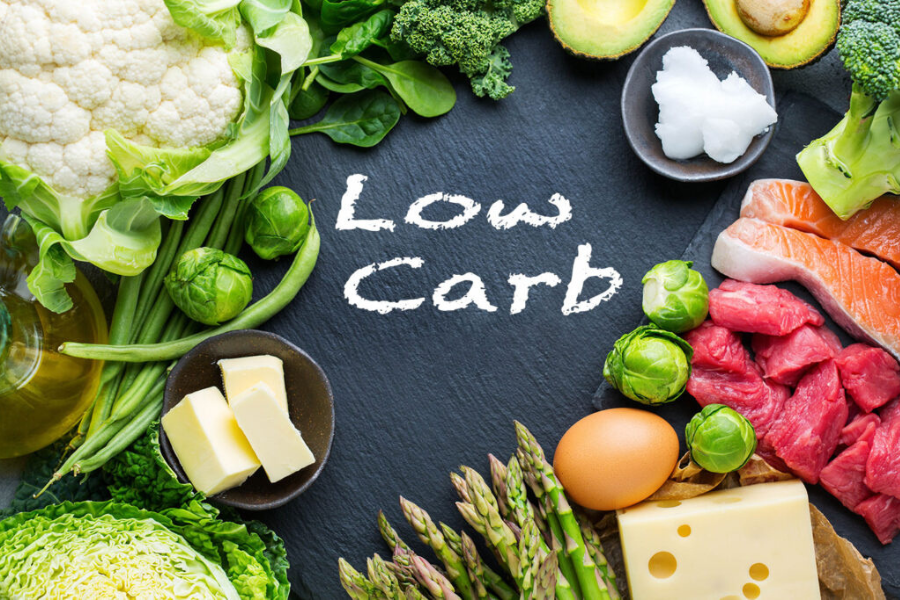
- Avocado, olives, and olive oil
- Nuts and seeds in modest portions
- Non starchy vegetables like leafy greens, cauliflower, broccoli, bell peppers, mushrooms, and zucchini
Practical low carb vegetarian meals can be simple. Think broccoli “fried rice” made with riced broccoli, mixed vegetables, and eggs if you eat them, or grilled cauliflower steaks with Romesco sauce made from nuts and roasted peppers (Arizona Gynecology Consultants).
These kinds of dishes are filling, flavorful, and naturally limit refined starch.
How to decide if a low carb vegetarian diet is right for you
Your ideal carb level depends on your goals, your health conditions, and how you feel from day to day.
You might be a good fit for a low carb diet vegetarian style if you:
- Want help managing type 2 diabetes, metabolic syndrome, or obesity
- Prefer feeling fuller on fewer calories
- Are willing to plan meals and monitor nutrients like B12, iron, and fiber
A low carb pattern has shown benefits for people with type 2 diabetes, metabolic syndrome, obesity, and some neurological disorders in terms of improving health and quality of life (Arizona Gynecology Consultants). At the same time, a well planned vegetarian or vegan diet that is not necessarily low carb can also improve blood pressure, cholesterol, and diabetes markers (NCBI).
If you are unsure, you can start with a moderate approach. Reduce refined carbs, swap in higher protein vegetarian foods like eggs, tofu, tempeh, or paneer, and increase your non starchy vegetables. Then track how your energy, hunger, weight, and lab results change over several weeks.
Small, thoughtful changes will usually serve you better than chasing the strictest version of any diet.
About the Author