Understand workouts while intermittent fasting
If you are curious about workouts while intermittent fasting, you are not alone. Intermittent fasting (IF) has become a popular way to lose weight and improve health, and you might wonder how exercise fits into the picture. The good news: you can usually exercise safely while fasting, and in some cases, your results may improve. The key is to match your workout style and timing to your fasting schedule, and to be realistic about your goals.
Intermittent fasting typically means cycling between periods of eating and not eating. A common approach is a 16/8 schedule, where you fast for 16 hours and eat all your meals within an 8 hour window (Health Hub). During the fasting hours your body relies more on stored energy like glycogen and fat, which can influence how you feel during workouts and how your body adapts to training.
This guide walks you through what actually happens when you combine IF and exercise, which workout types pair best with fasting, and practical ways to adjust your routine so you protect your energy and your muscles.
Learn how intermittent fasting affects your body
Before you plan workouts around intermittent fasting, it helps to understand what fasting does behind the scenes.
What your body uses for fuel
During your eating window your body mainly runs on the carbohydrates and fats you consume. Once you have been fasting for a while, your body gradually shifts to stored fuel instead.
- At first it taps into liver glycogen.
- As glycogen drops, it increases fat breakdown, a process called lipolysis.
- Fatty acids are released and oxidized for energy, especially during aerobic exercise, which can support fat loss (PMC – NCBI).
This shift is one reason workouts while intermittent fasting are often promoted for fat burning. Aerobic exercise in a fasted state has been shown to increase fat oxidation compared with the same workout after eating, partly because insulin is lower and hormones like adrenaline are higher, which encourage fat use (PMC – NCBI).
How fasting can help or hinder performance
Fasting is not automatically better or worse for performance. Research shows mixed results:
- Some studies report slightly reduced performance when people exercise while fasting.
- Others show no meaningful difference, and a few show small improvements, depending on intensity, fasting duration, and training status (PMC – NCBI).
A few key points to keep in mind:
- Long or very intense sessions in a fasted state can be harder. If your liver glycogen is low, your blood sugar can drop, which may lead to fatigue or even hypoglycemia in extreme cases (PMC – NCBI).
- Over time your body can adapt to fasted training, which makes it easier for you to maintain steady energy while burning more fat.
For everyday exercisers focused on weight loss and general health, moderate intensity workouts usually pair well with IF. If you are an endurance athlete or train at very high intensities, you may need a more careful approach.
Pair intermittent fasting with your fitness goals
Your goals matter. Working out while intermittent fasting looks different if you mainly want to lose fat, build muscle, or improve overall health.
If your main goal is weight loss
Fasted exercise can support fat loss by encouraging your body to use fat for fuel. Exercising in a fasted state has been shown to increase lipolysis in fat tissue and raise fat oxidation in both trained and untrained people, which can help with body fat reduction (PMC – NCBI).
Helpful strategies for weight loss:
- Use low to moderate intensity cardio for 30 to 60 minutes during your fasting window, such as brisk walking, cycling, or swimming (Health Hub).
- Combine this with light to moderate strength training a few times per week to preserve muscle as you lose weight.
- Keep an eye on total calories and avoid overeating during your eating window, which can offset fat loss from your workouts.
Some research also suggests that if you eat before your workout, you may burn more fat during the recovery period, even if you burn a bit less during the session itself (24 Hour Fitness). This means that the total daily fat burned can be similar whether you train fed or fasted, so you can choose the approach that feels best for your body and your lifestyle.
If your main goal is muscle gain or maintenance
Gaining muscle while intermittent fasting is possible, but it takes more planning. Limited research shows that when people combine IF with resistance training and eat enough protein and calories, they can gain or maintain muscle to a similar degree as those on regular diets, while often losing more fat overall (Centr).
Key priorities if you want to protect or build muscle:
- Train hard enough. Muscle growth still depends mostly on training volume and progressive overload. Studies indicate that 3 to 4 resistance sessions per week with a bodybuilding style routine are effective for preserving lean mass when paired with intermittent fasting (Versa Gripps).
- Eat enough protein. Higher protein intake is crucial. Research highlights protein as the single biggest nutritional factor for preserving and building muscle while fasting, especially for lifters (Versa Gripps).
- Spread protein across meals. Instead of saving protein for one large meal, aim for roughly 25 to 30 grams of high quality protein every few hours during your eating window to fuel muscle repair (Centr).
A systematic review of eight trials found that when people combined intermittent fasting with resistance training and adequate protein, lean body mass was generally maintained. In five of these studies, participants also lost significant fat, which suggests you can get leaner without losing muscle (Versa Gripps).
If your main goal is better health and energy
You might be using intermittent fasting to improve insulin sensitivity, support heart health, or feel more energetic throughout the day. Exercise can enhance these benefits.
Some health providers note that working out while intermittent fasting may optimize hormones such as growth hormone and insulin sensitivity, both of which play roles in staying lean and metabolically healthy (Prospect Medical). In this case:
- Focus on consistency rather than intensity.
- Combine cardio and strength work at levels that feel sustainable over months, not just weeks.
- Choose a fasting schedule that fits your sleep, work, and family life, so you are more likely to stick with it.
Choose a fasting method that fits your training
Not all intermittent fasting methods feel the same once you add exercise. You do not need to overcomplicate this. The best schedule is the one you can follow without constantly feeling drained.
Popular intermittent fasting methods
Several approaches can work with regular workouts:
-
16/8 method
You fast for 16 hours and eat during an 8 hour window each day, for example, from 12 pm to 8 pm. This is a common choice because you can time your workout near the start or middle of your eating window so you have fuel before and after. -
5:2 fasting
You eat normally for 5 days per week and significantly restrict calories on 2 non consecutive days. If you choose this style and still want to train, most people feel better doing lighter workouts or rest days on the low calorie days (Centr). -
The Fast 800 and similar short programs
Some plans recommend 800 calories per day within an 8 to 12 hour window for about 2 weeks, often as a weight loss kick start (Centr). With this approach, high intensity training is usually not ideal since energy intake is very limited.
There is no single fasting style that is clearly best for muscle gain or fat loss. Most research suggests that success depends more on your total calorie and protein intake and your ability to train consistently, rather than on the exact fasting schedule you choose (Centr).
Lifestyle compatibility matters
Whichever method you choose, you are more likely to see results if it fits your daily routine:
- If you like morning workouts, you might feel best lifting or doing cardio right before your eating window opens, so you can eat soon after.
- If you prefer evening workouts, a later eating window (for example, 1 pm to 9 pm) might make more sense so you can fuel before your session and still fit in a post workout meal.
- If your schedule is unpredictable, a simpler style like 16/8 gives you some flexibility to shift your window as needed.
If you often end up training in the middle of a long fast with no chance to eat for hours afterward, you are more likely to feel weak and risk under fueling, which may make it harder to maintain muscle mass (Centr).
Match workout types to your fasting window
Not every type of exercise feels the same on an empty stomach. Understanding how different workouts interact with fasting helps you plan smarter training days.
Low to moderate intensity cardio
Low to moderate intensity cardio is one of the easiest options to pair with intermittent fasting, especially if your main goal is fat loss or cardiovascular health.
Good examples include:
- Brisk walking
- Easy to moderate cycling
- Light jogging
- Swimming at a relaxed pace
Training this way for 30 to 60 minutes during a fasting window can help your body increase fat use and improve heart health without placing too much stress on your system (Health Hub).
Research suggests that aerobic exercise in a fasted state can significantly increase fat oxidation compared to fed training, particularly because of hormonal changes that promote fat breakdown (PMC – NCBI).
Still, there are tradeoffs. Other studies find that training after a small meal can lead to more fat burned during the hours after your workout, even if fasted sessions burn more fat during the workout itself (24 Hour Fitness). Over a full day, the total fat burned can be similar, so it is worth paying attention to how you feel and what you can maintain.
High intensity interval training (HIIT)
HIIT and sprint style workouts can be powerful tools during intermittent fasting, but they require caution.
Prospect Medical notes that sprint training or HIIT during IF can be especially effective, boosting growth hormone, testosterone, brain function, and mood. They also mention that if you continue fasting for 2 to 3 hours after a HIIT session, you may see even greater benefits (Prospect Medical).
At the same time:
- High intensity work is demanding and may feel much harder if you are new to fasting.
- Some research suggests that fasting before cardio does not significantly increase fat oxidation and can reduce workout intensity, especially for moderate or hard training (24 Hour Fitness).
- A review on fasted endurance training recommends avoiding high intensity sessions while fasting, mainly because of mixed evidence for performance and concerns over hypoglycemia in long or very intense efforts (PMC – NCBI).
If you decide to do HIIT while intermittent fasting:
- Schedule HIIT workouts near the beginning of your eating window so you can refuel soon after.
- Start with shorter intervals and fewer total sets than you might do when fully fed.
- Pay close attention to signs of dizziness, nausea, or unusual fatigue and scale back when needed (Health Hub).
Strength training and weight lifting
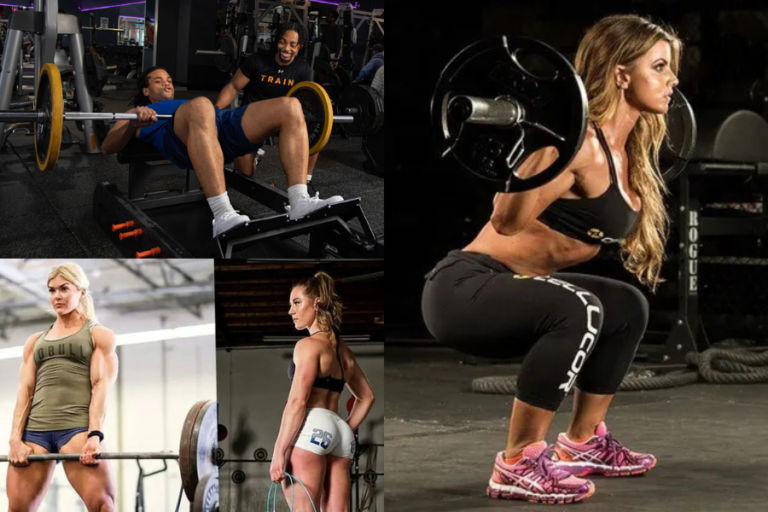
Strength training is essential if you want to maintain or build muscle while intermittent fasting. The main questions are when to lift and how intense your sessions should be.
Studies on resistance training combined with intermittent fasting show promising results:
- In several trials with resistance trained men and women who consumed enough protein, intermittent fasting plus weight training helped preserve lean mass and increase fat loss. Rapid muscle growth was less common, but muscle maintenance with better leanness was typical (Versa Gripps).
- Training volume and progressive overload still drive muscle hypertrophy. Most studies used 3 to 4 lifting sessions per week that targeted major muscle groups, similar to a traditional bodybuilding routine (Versa Gripps).
Prospect Medical notes that weight lifting while fasting is possible but might reduce short term strength and recommends prioritizing a meal after heavy lifting to replenish glycogen and support muscle repair (Prospect Medical).
A practical approach:
- Plan your heaviest lifting sessions so they fall within or right before your eating window.
- Eat a balanced meal soon after lifting that includes protein and some carbohydrates.
- On days when you must lift in a fasted state, consider lowering the weight slightly and focusing on maintaining good technique rather than chasing personal records.
Health Hub suggests that during intermittent fasting, strength training with lighter loads and higher repetitions that focus on big compound movements like squats, lunges, and push ups can help preserve muscle without causing excessive fatigue (Health Hub).
Plan your workout schedule around fasting
Once you know how different workouts feel during fasting, you can combine them into a weekly routine that supports your goals. You do not need a perfect program. Simple, repeatable plans usually work best.
Sample weekly routine for weight loss and health
Here is an example of how you might combine workouts while intermittent fasting on a 16/8 schedule, with an eating window from 12 pm to 8 pm. You can adjust times and days to match your life.
Monday
- Morning (fasted): 30 minutes brisk walking or easy cycling.
- Afternoon around 1 pm: Balanced meal with protein, vegetables, and healthy fats.
- Evening: Light stretching.
Tuesday
- Late morning: Strength training with lighter weights, 30 to 45 minutes. Focus on squats, lunges, pushes, pulls, hip hinges.
- Eat your first meal shortly after training to support recovery.
Wednesday
- Morning (fasted): 30 to 45 minutes moderate cardio, such as a brisk walk with some hills.
- Afternoon: Optional short mobility or yoga session.
Thursday
- Late morning or early afternoon: Strength training, similar to Tuesday.
- Follow with a protein rich meal.
Friday
- Morning: Optional 10 to 20 minute low impact interval session or a longer easy walk.
- Afternoon: Gentle stretching or rest if you feel tired.
Saturday
- Flexible: Outdoor activities you enjoy, like hiking, biking, or swimming at a relaxed pace.
Sunday
- Rest day or gentle movement only.
This kind of plan mixes fasted low to moderate intensity cardio for fat burning with well fueled strength training to maintain muscle.
Sample weekly routine if you lift heavy
If you are more focused on strength and muscle, you might structure your week so your toughest sessions line up with your eating window.
Example with a 1 pm to 9 pm eating window
-
Monday
-
12:30 pm: Light snack with protein and carbs.
-
1 pm: Heavy strength training for lower body.
-
2 pm: Full meal with protein, carbs, and healthy fats.
-
Wednesday
-
Same structure, but focus on upper body.
-
Friday
-
Full body or accessory strength session, moderate volume.
-
Cardio:
-
Optional easy morning walks on non lifting days, 20 to 30 minutes.
This way, your heaviest work is done near the start of your eating window, so you can eat before and after training. During fasting hours you stick to lighter activity that does not demand as much fuel.
Use nutrition to support fasting workouts
What and when you eat during your eating window has a big impact on how you feel during workouts and how your body responds to training.
Focus on protein and meal timing
Research on lifting and intermittent fasting consistently points to protein as a central factor for preserving and building muscle:
- Aim to include higher protein intake overall, spread across your meals instead of in one or two large servings.
- Try to get around 25 to 30 grams of high quality protein in each meal or snack during your eating window, rather than saving most of your protein for one big dinner (Centr, Versa Gripps).
This approach supports ongoing muscle repair and makes it easier to maintain lean mass even as you lose fat.
Support energy and recovery
To feel your best during workouts while intermittent fasting:
- Include carbohydrates in meals that are close to your hardest training sessions. They can help maintain training quality and support glycogen replenishment afterward (Prospect Medical).
- Add healthy fats from foods like olive oil, avocado, nuts, and seeds to keep you satisfied between meals.
- Hydrate throughout the day, not just during your workouts. Water, unsweetened tea, and black coffee are common choices that usually do not break a fast.
If you do most of your workouts fasted, it may take time to adjust. Early on you might feel sluggish or light headed, especially in longer or more intense sessions. Over several weeks your body can adapt by increasing fat oxidation, which helps maintain performance even when glycogen is lower (PMC – NCBI).
Watch for signs you are under fueling
Intermittent fasting can backfire if your calorie intake is too low or your protein quality is poor. This can lead to reduced workout performance, slower recovery, and potential muscle loss instead of gain (Centr).
Take a closer look at your diet and schedule if you notice:
- Persistent fatigue or irritability
- Trouble finishing workouts you used to handle easily
- Difficulty sleeping
- Ongoing muscle soreness that does not fade between sessions
Small adjustments, such as slightly larger meals, an extra snack within your eating window, or moving your workout closer to mealtime, can often solve these issues.
Stay safe and adjust as you go
Working out while intermittent fasting can be safe and effective for many people, but it is not identical for everyone. Your health history, fitness level, and day to day stress all influence how you respond.
When to be extra cautious
You should be particularly careful or speak with a healthcare professional before combining intense workouts and fasting if you:
- Have a history of low blood sugar episodes
- Are managing medical conditions that affect metabolism or blood pressure
- Are taking medications that must be taken with food
- Are pregnant, breastfeeding, or have a history of disordered eating
Even if you are generally healthy, it is wise to increase training intensity slowly when you first start intermittent fasting so you can see how your body responds.
Simple rules of thumb
As you experiment with workouts while intermittent fasting, these guidelines can help keep things on track:
- Start with lower intensity workouts during fasting hours, especially in the first few weeks.
- Time your hardest sessions, like heavy lifting or intense intervals, near the beginning or middle of your eating window.
- Keep protein intake high and spread it across your meals.
- Drink plenty of fluids throughout the day.
- Be willing to adjust your fasting schedule or workout type on days when you feel unusually run down.
If you consistently feel stronger, sleep better, and see gradual changes in your body composition, you are likely on the right path. If you feel worse over time, it is a signal to ease up or try a different schedule.
Key takeaways
- You can safely combine workouts while intermittent fasting with weight loss or fitness goals if you plan your schedule and nutrition.
- Fasted cardio, especially at low to moderate intensity, can increase fat oxidation, although total daily fat loss is often similar to fed training when you look at the full day (PMC – NCBI, 24 Hour Fitness).
- Strength training is essential for maintaining muscle. Aim for 3 to 4 resistance sessions per week, with adequate protein and calories to support recovery (Versa Gripps, Centr).
- Higher protein intake, spaced across your eating window, is one of the most important factors for muscle maintenance during IF.
- Lighter to moderate workouts pair best with longer fasts. Reserve high intensity or heavy lifting for times when you can eat before and after.
- The best approach is the one that fits your lifestyle so you can maintain it long enough to see results.
You do not need to redesign your entire routine overnight. Start with a small change, such as moving one weekly workout to your fasting window or shifting your eating window closer to your usual training time. Notice how your body responds, then build from there.
About the Author