Understand intermittent fasting basics
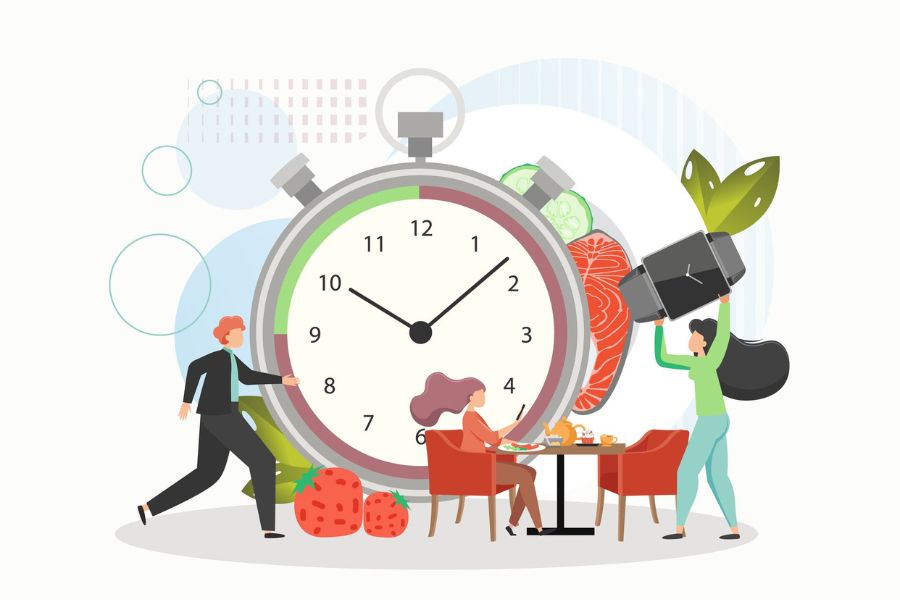
Before you decide what to eat during intermittent fasting, it helps to be clear on what intermittent fasting actually is. Intermittent fasting means you cycle between periods of eating and not eating. During the fasting window, you avoid calories and stick to water, plain coffee, or unsweetened tea. During the eating window, you focus on nutrient dense whole foods so your body has what it needs to stay healthy and maintain energy.
Experts emphasize that the quality of what you eat during intermittent fasting matters as much as the timing. Johns Hopkins Medicine notes that eating “normally” during fasting does not mean filling your plate with junk food or super sized fried items, since that will not support weight loss or better health (Johns Hopkins Medicine).
Choose the right fasting schedule
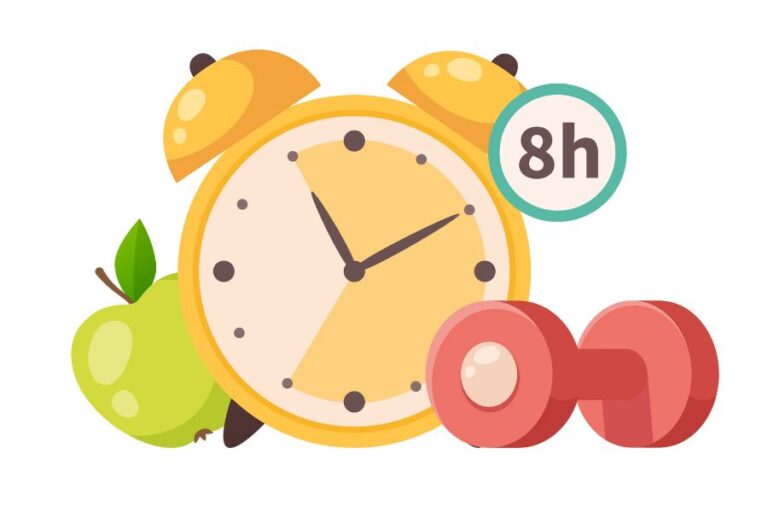
You can practice intermittent fasting in several ways, but a popular option for weight loss and better health is time restricted eating, such as the 16/8 method.
With 16/8, you fast for 16 hours and eat all your meals within an 8 hour window. Common schedules include:
- 12 p.m. to 8 p.m. so you eat lunch, dinner, and a snack
- 9 a.m. to 5 p.m. so you eat breakfast, lunch, and a light early dinner or snack (Healthline)
If you are new to this pattern, it can help to start gradually. Healthline suggests trying shorter fasts 1 to 2 days per week at first and checking in with your hunger, mood, and energy levels as you go (Healthline). Talk with your doctor before starting if you have existing health conditions, take medications, or are pregnant or breastfeeding.
What to drink while you fast
During your fasting window, any calories will technically break the fast. Your safest choices are:
- Water
- Plain black coffee
- Unsweetened tea
These drinks keep you hydrated and can help take the edge off hunger without interfering with the fast, according to Johns Hopkins Medicine and the University of Michigan School of Public Health (Johns Hopkins Medicine, University of Michigan School of Public Health).
Other expert guidance notes that very small amounts of milk in tea or coffee may not cause a blood sugar spike for many people, although this can vary from person to person (ZOE). If you want to keep your fast strict, skip the milk and any sweeteners.
Try to avoid:
- Soda, juice, and sweetened coffee drinks
- Energy drinks
- Anything with sugar, creamers, or calories
These options add energy your body has to process and can pull you out of the fasting state (iHerb.com).
Build balanced meals in your eating window
Once your eating window starts, what you eat during intermittent fasting should leave you satisfied, not sluggish. A simple way to think about each meal is to combine:
- Lean protein
- Fiber rich vegetables and fruits
- Smart, minimally processed carbohydrates
- Healthy fats
This combination helps steady your blood sugar, manage hunger, and support muscle maintenance during fasting (Zero Longevity).
Lean protein to stay full
Protein is your ally when you want to lose weight with intermittent fasting. It helps maintain muscle, supports blood sugar balance, and keeps you feeling full longer.
Recommended options include:
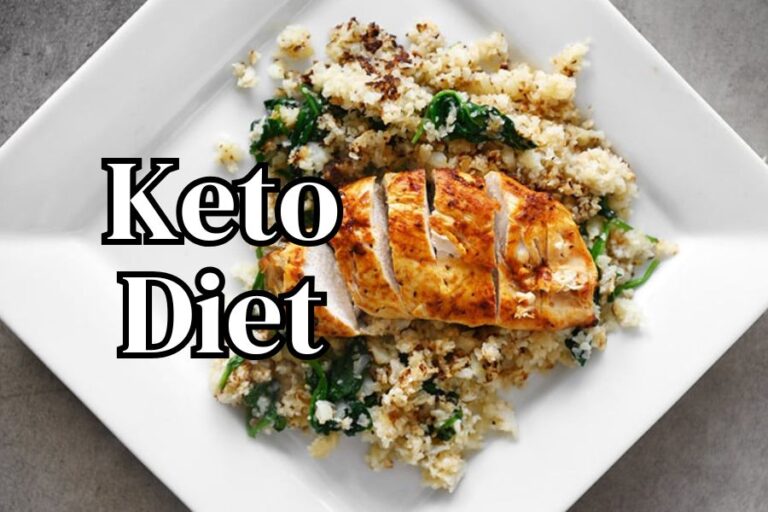
- Skinless chicken or turkey breast
- Fish and seafood, such as salmon and sardines
- Plain Greek yogurt and cottage cheese
- Beans, lentils, peas, and other legumes
- Tofu and tempeh
Registered dietitian Ryan Maciel highlights these choices as ideal during intermittent fasting because they support fullness and muscle mass (WTOP).
Low fat dairy and cultured proteins like yogurt, kefir, and buttermilk can also support gut health thanks to their probiotics (iHerb.com).
Try to limit:
- Bacon, sausage, and other fatty red meats that are higher in saturated fat and LDL cholesterol (U.S. News & World Report)
Vegetables and fruits for nutrients
Non starchy vegetables and whole fruits are key pieces of what to eat during intermittent fasting. They provide fiber, vitamins, minerals, and phytonutrients that support heart health, blood sugar control, digestion, and overall wellness.
Helpful vegetables include:
- Leafy greens like kale, spinach, chard, collards, arugula, and cabbage
- Colorful options such as bell peppers, tomatoes, carrots, and broccoli
The Dietary Guidelines for Americans recommend about 2.5 cups of vegetables each day for a 2,000 calorie diet (WTOP).
Great fruit choices include:
- Apples, pears, and oranges
- Berries, such as blueberries and blackberries
- Peaches, plums, apricots, and cherries
- Watermelon
You are encouraged to eat about 2 cups of fruit daily, focusing on whole fruit instead of juice for more fiber and better blood sugar control (WTOP).
Smart carbohydrates for steady energy
Carbohydrates are not the enemy, especially when they come from whole, minimally processed foods. When you are putting together what to eat during intermittent fasting, choose carbohydrates that bring fiber and nutrients:
- Whole grains, such as oats, brown rice, quinoa, and whole wheat
- Starchy vegetables, like sweet potatoes and winter squash
- Beans, lentils, and chickpeas, which provide both carbs and protein
Johns Hopkins Medicine notes that a Mediterranean style pattern rich in leafy greens, healthy fats, lean protein, and complex, unrefined carbohydrates from whole grains works well alongside intermittent fasting (Johns Hopkins Medicine).
Try to limit:
- Sugary cereals
- White bread and pastries
- Highly refined snack foods
These tend to spike your blood sugar quickly and can leave you hungrier later.
Healthy fats for satisfaction
Healthy fats play a bigger role than just flavor. They help with nutrient absorption, hormone production, and cellular health, and they make meals more satisfying.
Good sources of healthy fats include:
- Extra virgin olive oil, canola oil, and sunflower oil
- Nuts and seeds, such as almonds, walnuts, chia seeds, and flaxseeds
- Avocado
- Fatty fish, including salmon and sardines
These foods provide omega 3 fats and other beneficial compounds that can support heart health and lower inflammation (ZOE, iHerb.com).
Use these in reasonable portions so you get the benefits without overshooting your energy needs.
Foods and drinks to limit or avoid
Some foods can work against your intermittent fasting goals by triggering cravings, making you hungrier, or adding extra calories with little nutrition.
Experts suggest avoiding or limiting:
- Snack chips and microwave popcorn
- Cookies, candy, cakes, and pastries
- Sugary cereals
- Sugary drinks and fruit juice
- Deep fried foods and many frozen meals
- Sauces high in sugar and salt, such as some barbecue sauces and ketchups
These items tend to be high in added sugar, unhealthy fats, and salt, and low in nutrients, which can increase hunger and make fasting feel harder (WTOP, U.S. News & World Report, Healthline).
Highly processed foods and drinks with added sugars can also negate some of the positive effects of intermittent fasting on weight and metabolic health (Healthline).
Sample meals for your eating window
To make this more concrete, here are a few meal ideas that fit the basic pattern of what to eat during intermittent fasting. You can adjust portions and ingredients to match your preferences and energy needs.
Meal to break your fast
When your eating window opens, aim for a meal that stabilizes blood sugar, refuels your body, and keeps you full without being too heavy.
Example:
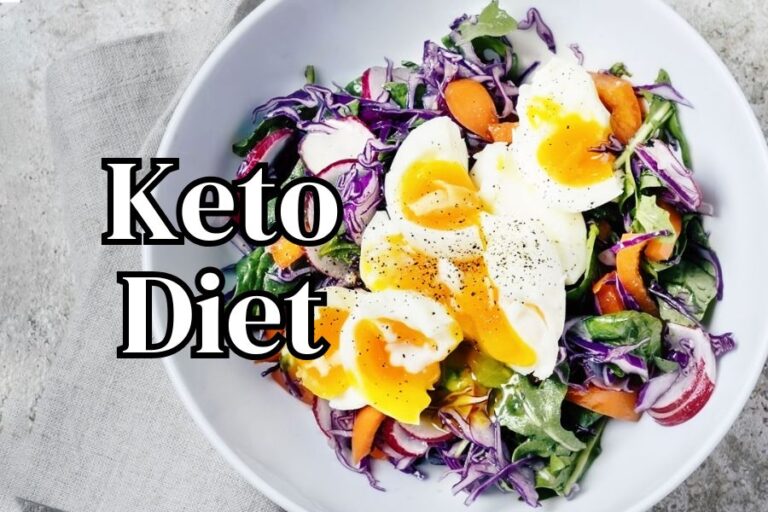
- Eggs cooked in a small amount of olive oil
- Sliced avocado
- Sautéed spinach and cherry tomatoes
- Whole grain toast or a small side of cooked oats
A breakfast bowl like this provides high quality protein from eggs, healthy fats from avocado and olive oil, and fiber from vegetables. This combination helps balance blood sugar and replenish nutrients after your fast (Zero Longevity).
Mid window meal or snack
A balanced lunch or substantial snack keeps energy steady:
- Large salad with mixed leafy greens, tomatoes, cucumbers, and carrots
- Grilled chicken, tofu, or chickpeas on top
- Olive oil and lemon dressing
- A piece of fruit, like an apple or a handful of berries
This gives you lean protein, vegetables, healthy fats, and fiber rich carbohydrates in one bowl.
Closing window dinner
For your last meal before the next fast, aim for something satisfying but not overly heavy so you are not uncomfortable overnight.
Example:
- Baked or grilled salmon
- Quinoa or brown rice
- Roasted vegetables, such as broccoli, cauliflower, or Brussels sprouts
- Side salad with olive oil based dressing
A salmon and quinoa style meal offers a blend of protein, healthy fats, and complex carbs that supports sustained energy and fullness. The omega 3 fats in salmon and the fiber in quinoa can help with satiety and nutrient absorption (Zero Longevity).
Support specific health goals with food choices
Intermittent fasting can be tailored to support different health goals by adjusting what you eat in your window.
Weight management
If your main goal is weight loss, focus on:
- Whole, minimally processed foods that fill you up
- Lean proteins and fiber from vegetables, fruits, and whole grains
- Healthy fats in modest amounts
Research highlighted by Zero Longevity suggests that balanced meals combining protein, fiber, and healthy fats are naturally satiating and can reduce spontaneous calorie intake, which may help you manage your weight more comfortably (Zero Longevity).
Heart health
For better heart health while you fast, ZOE recommends:
- Leafy greens and a variety of vegetables
- Whole grains like oats and barley
- Whole fruits instead of juice
- Omega 3 rich fish
- Beans and legumes
- Vegetable oils such as olive, canola, and sunflower instead of butter
- Herbs and spices to season instead of extra salt (ZOE)
Lowering inflammation
If you want to use intermittent fasting to help lower inflammation, your eating window is a good place to emphasize:
- High fiber foods
- Omega 3 fats from fish, nuts, and seeds
- Colorful fruits and vegetables that are rich in polyphenols
These foods have anti inflammatory properties and can support your body’s natural repair processes (ZOE).
Practical tips to make fasting easier
A few small habits can make what you eat during intermittent fasting work better for you day to day.
Plan ahead
Planning your meals in advance removes guesswork and helps you avoid overeating when your eating window opens. Experts from Zero Longevity suggest that pre planned meals that combine fiber, protein, and fat can reduce the urge to snack mindlessly and help keep your overall intake in check (Zero Longevity).
You might:
- Cook a batch of whole grains and lean protein on weekends
- Wash and chop vegetables ahead of time
- Keep simple options like yogurt, nuts, fruit, and hummus handy
Watch your portions
Even with healthy foods, portion sizes still matter. Try to:
- Fill half your plate with vegetables
- Reserve about a quarter for lean protein
- Use the rest for whole grains or starchy vegetables, plus a small serving of healthy fat
This general pattern helps you feel full without feeling stuffed.
Stay hydrated
Dehydration can feel a lot like hunger. Keep water nearby, and sip throughout the fasting and eating windows. Healthline and Johns Hopkins Medicine both note that water, black coffee, and unsweetened tea are encouraged during fasting to support hydration and appetite control (Healthline, Johns Hopkins Medicine).
Bring it all together
When you look at what to eat during intermittent fasting, you are really looking to support your body in two ways at once. You give your digestion a predictable rest during the fasting window, and you give your body nutrient rich fuel during the eating window.
If you focus on:
- Lean proteins
- Plenty of vegetables and whole fruits
- Whole, unrefined carbohydrates
- Healthy fats in sensible amounts
- Minimal highly processed foods and added sugars
you set yourself up for better energy, easier weight management, and stronger overall health while you experiment with an intermittent fasting routine that fits your life.
Start with one simple change, such as adding an extra serving of vegetables to your first meal of the day or swapping a sugary drink for tea. Then keep adjusting until your fasting and eating pattern feels both sustainable and supportive of your goals.
About the Author