A heart healthy eating pattern like the DASH diet can help you feel better, lower your blood pressure, and support gradual weight loss at the same time. The phrase DASH diet for heart health shows up everywhere for a reason. It was created specifically to help prevent and treat high blood pressure, and over the years it has also been linked with better cholesterol levels, lower risk of type 2 diabetes, and easier weight control (NHLBI, NHLBI).
You do not need special products or complicated rules to start. With a few simple shifts in what goes on your plate each day, you can move closer to the DASH pattern and give your heart long term support.
Understand what the DASH diet is
DASH stands for Dietary Approaches to Stop Hypertension. It is an eating plan, not a short term cleanse, that was designed and tested by researchers funded by the National Heart, Lung, and Blood Institute (NHLBI) to lower blood pressure safely through everyday foods (NHLBI).
At its core, the DASH diet asks you to do two things at the same time. First, you lower your sodium intake. Second, you eat more nutrient rich foods that are high in potassium, calcium, magnesium, protein, and fiber. Together, these steps help relax blood vessels, balance fluids in your body, and protect your heart over time (Mayo Clinic, MedlinePlus).
DASH is not a rigid recipe plan. It gives you daily and weekly goals for different food groups that you can adjust to your calorie needs and cultural preferences. You choose the foods you enjoy within those guidelines (NHLBI).
Know how DASH protects your heart
If you are interested in the DASH diet for heart health, it helps to know what is happening inside your body when you follow it consistently.
DASH has been studied for about three decades, and the results are impressive. In the original DASH trial with 459 adults, people who followed the plan lowered their blood pressure more than those eating a typical American diet, and they also reduced LDL cholesterol, which is often called the “bad” cholesterol (NHLBI). Later research showed that the DASH diet can improve your lipid panel, reduce the risk of type 2 diabetes, and lower overall heart disease risk (NHLBI, PMC – NIH).
When sodium intake is reduced to about 1,500 milligrams per day, on top of the standard DASH pattern, blood pressure drops even more. In the DASH Sodium trial with 412 adults, the combination of DASH plus lower sodium produced the largest reductions, especially in people who had higher blood pressure at the start (NHLBI, PMC – NIH).
Over time, following DASH has been linked to a lower estimated 10 year cardiovascular disease risk, lower triglycerides, fewer cases of heart failure, and fewer hospitalizations for heart problems in people under 75 (PMC – NIH). That is a strong payoff for a set of changes that you can implement one grocery list at a time.
See how DASH supports weight loss
You might be wondering how a plan created for blood pressure can also help with weight loss. The answer comes down to what you are eating more of, what you are eating less of, and how that affects your appetite.
The DASH diet centers vegetables, fruits, and whole grains, along with low fat dairy and lean protein, while limiting saturated fat, added sugars, and excess sodium (Mayo Clinic, MedlinePlus). Those nutrient rich foods tend to be lower in calories but higher in fiber and water, which helps you feel full on fewer calories.
Large NHLBI funded trials such as PREMIER found that when people combined the DASH pattern with lifestyle changes and physical activity, they lost weight and saw even greater reductions in blood pressure compared with advice alone (NHLBI, PMC – NIH). For you, that means DASH can be a structured framework that makes it easier to manage portions and avoid ultra processed foods that often lead to weight gain.
DASH does not require you to count every calorie. Instead, you follow food group targets that roughly match a calorie level suitable for your age, sex, and activity level. As you build your meals around vegetables, whole grains, and lean proteins, your overall calorie intake usually drops in a natural way.
Focus on the key DASH food groups
To use the DASH diet for heart health effectively, it helps to know what your plate might look like on a typical day. Although exact servings depend on your calorie needs, the foundation stays the same across all versions (NHLBI, Mayo Clinic).
A typical DASH pattern emphasizes:
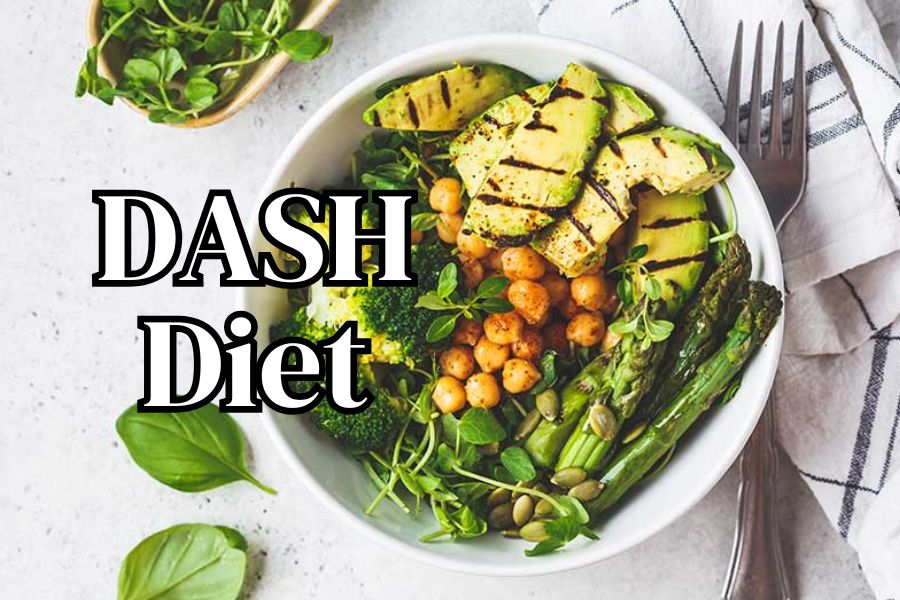
- Plenty of vegetables such as leafy greens, peppers, carrots, tomatoes, and broccoli
- Fruits in whole or cut form, not just juice
- Whole grains like oats, brown rice, whole wheat pasta, and quinoa
- Low fat or fat free dairy such as milk, yogurt, and cheese
- Lean protein from poultry, fish, beans, lentils, and nuts
- Limited saturated fats, sweets, and sugary drinks
Vegetables and fruits supply potassium, magnesium, and fiber. Whole grains add additional fiber and help keep blood sugar steady. Low fat dairy contributes calcium and protein, which support blood pressure control and overall heart function (Mayo Clinic, MedlinePlus). Nuts, seeds, and beans give you satisfying plant based protein and heart friendly fats.
When you put this together on your plate, you get meals that are filling, steady your energy, and support both weight management and cardiovascular health.
Cut back on sodium the smart way
Sodium reduction is a central part of the DASH diet for heart health. Most people take in far more than they realize, often from packaged and restaurant foods rather than the salt shaker.
On the standard DASH plan, you aim for no more than 2,300 milligrams of sodium per day. For an even stronger blood pressure benefit, you can work toward 1,500 milligrams daily, as long as your health care provider agrees that this lower level is appropriate for you (Mayo Clinic, MedlinePlus, NHLBI).
Instead of trying to overhaul everything overnight, you can use a gradual approach:
- Start by tasting your food before adding salt
- Choose no salt added or low sodium versions of canned beans, vegetables, and broths
- Rinse canned foods like beans under water to wash away some of the sodium
- Flavor with herbs, spices, citrus, garlic, and vinegar instead of relying on salt alone
- Limit highly processed foods such as chips, instant noodles, and cured meats
The DASH Sodium trial showed that when people paired the DASH plan with a sodium limit of about 1,500 milligrams per day, their systolic blood pressure fell by 7.1 mmHg if they did not have hypertension and by 11.5 mmHg if they did have hypertension (NHLBI, PMC – NIH). Those are meaningful improvements that can reduce your long term risk of heart attack and stroke.
Combine DASH with movement and daily habits
Food is a powerful tool, but it works even better when you pair it with other heart healthy habits. The DASH diet fits naturally with a lifestyle that includes regular physical activity and supportive routines.
Guidance from MedlinePlus suggests aiming for at least 30 minutes of moderate intensity exercise most days of the week, which adds up to at least 2 hours and 30 minutes weekly (MedlinePlus). That might look like brisk walking, cycling, swimming, or dancing. Movement helps lower blood pressure, supports weight loss, and can improve your mood so that it is easier to stick with your eating plan.
You can also support your heart by:
- Limiting alcohol
- Not smoking and seeking help if you are ready to quit
- Managing stress through sleep, relaxation techniques, or counseling
- Keeping up with regular checkups and blood pressure checks
Studies like the PREMIER trial found that combining the DASH diet with increased physical activity and behavioral support led to greater reductions in blood pressure and more weight loss than advice alone (NHLBI, PMC – NIH). In practical terms, that means your daily walk and your vegetables are working together.
Take simple steps to get started
It is easy to feel overwhelmed when you look at a full set of diet guidelines at once. Instead of aiming for perfection, you can focus on small, specific changes that move you toward DASH over time.
You might start with just one or two actions:
- Add one serving of vegetables to your lunch and dinner
- Swap white bread or rice for whole grain versions
- Choose fresh fruit for dessert a few nights each week
- Replace one sugary drink per day with water or unsweetened tea
- Pick low fat milk or yogurt instead of full fat options
To see where you stand now, you can use the worksheets and tools provided by NHLBI to compare your current eating habits with DASH targets and identify easy wins in your routine (NHLBI). If you like using apps, a simple food tracking app can also help you notice patterns and keep sodium in check.
As you get comfortable with a few changes, you can layer in more. The DASH diet is meant to be sustainable, so it is better to move steadily in the right direction than to surge ahead for two weeks and then return to old habits.
If you live with high blood pressure, heart disease, diabetes, or kidney disease, it is important to talk with your health care provider or a registered dietitian before making large changes. They can help you adjust your sodium and calorie goals and make sure the DASH pattern fits your medications and overall treatment plan.
By leaning into the DASH diet for heart health, you give yourself a practical, research backed framework for eating that can help you feel better today and protect your heart for years to come. You do not have to follow every guideline perfectly to see benefits. Start with the next meal you plan and build from there.
About the Author