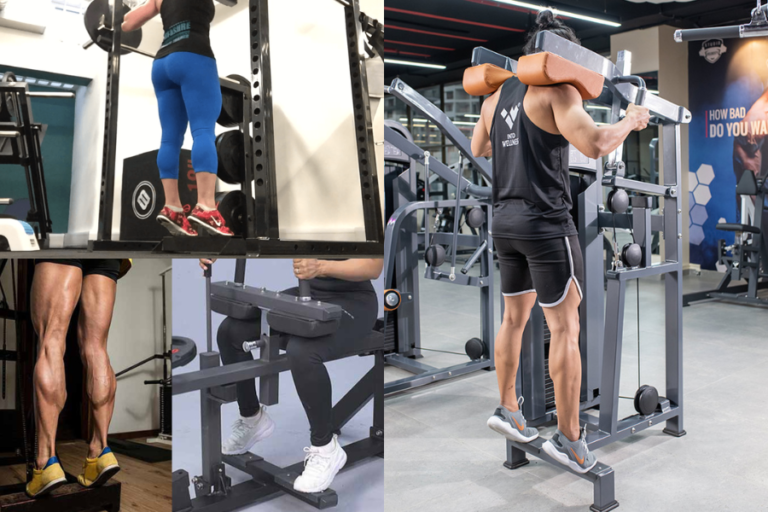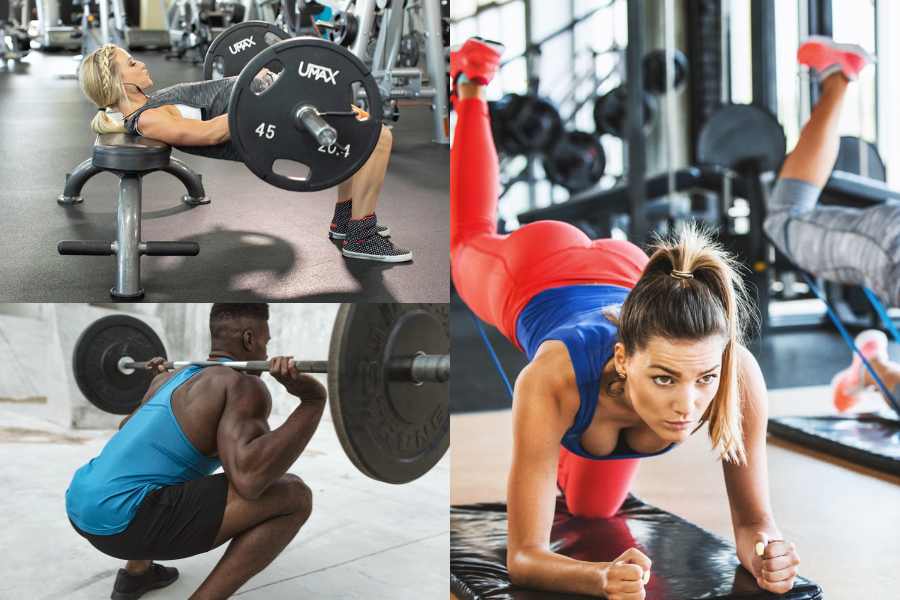
A glute workout for athletes can be your secret weapon for boosting overall strength and stability. When you focus on building a solid foundation in your lower body, you gain better control of your movements in nearly every sport or fitness routine. By honing in on your glutes, you not only help prevent injuries but also improve your explosive power and endurance.
Strengthen your foundation
Your glute muscles (gluteus maximus, medius, and minimus) provide essential support for your hips, knees, and core. Focusing on these muscles helps you remain stable during athletic activities that require quick changes in direction, powerful sprints, or endurance-based movements.
Why your glutes matter
- They stabilize the pelvis, reducing strain on your lower back and hips.
- They improve your stride and running form, adding speed and efficiency.
- They help generate force during jumps, pivots, and lunges.
Start with bodyweight essentials
Before you reach for heavy weights, establish proper form and technique using only your bodyweight. Mastering the basics prepares you for more intense workouts down the road and lowers your risk of injury.
Squats
- Stand with feet shoulder-width apart and toes slightly turned out.
- Initiate the movement by bending at the hips and knees, as if sitting back into a chair.
- Keep your chest up, core engaged, and knees tracking over your toes.
- Push through your heels to return to a standing position.
Glute bridges
- Lie faceup with your knees bent and feet flat on the floor, hip-width apart.
- Press through your heels, lifting your hips until your knees, hips, and shoulders form a straight line.
- Squeeze your glutes at the top, then lower slowly without letting your back arch.
Incorporate resistance and variety
Once you’ve nailed down bodyweight moves, add light weights or bands to increase resistance. This not only challenges your muscles further but also helps you build the explosive power that athletes need.
Resistance band exercises
- Banded side steps: Place a looped band around your thighs, bend slightly at the knees, and step sideways.
- Banded kickbacks: Secure one end of the band under your foot and the other around your opposite ankle. Extend your leg straight back, focusing on contracting your glutes.
Weighted moves
- Weighted hip thrusts: With your upper back supported on a bench or sturdy surface, place a barbell across your hips. Lower and lift your hips in a controlled manner, feeling the burn in your glutes.
- Single-leg deadlifts: Hold a dumbbell in one hand, keep your back neutral, and hinge at the hip while lifting one leg behind you. This challenges balance and enhances overall lower-body strength.
Practice proper form and recovery
Good technique is vital for any glute workout for athletes. When you move with control and maintain alignment, you optimize growth and reduce unnecessary strain.
Training tips
- Keep your core tight and spine neutral throughout each exercise.
- Don’t rush through reps. Focus on the mind-muscle connection and squeeze your glutes.
- Allow time for rest days to aid recovery and muscle growth.
Recovery habits
- Stretch your hip flexors and hamstrings post-workout to keep flexibility.
- Use foam rolling or a massage ball to reduce muscle tension.
- Prioritize sleep and hydration for full recovery.
Key takeaways
- Strong glutes bolster athletic performance by improving stability, speed, and power.
- Master bodyweight basics like squats and glute bridges before adding resistance.
- Vary your routine with bands or weights to challenge your muscles further.
- Maintain proper form, engage your core, and allow time for recovery.
Try adding even one new exercise this week, and pay attention to how your lower body strength supports your favorite sports or fitness activities. By focusing on your glutes, you build a strong foundation that can carry you through every run, jump, and pivot with confidence.
About the Author