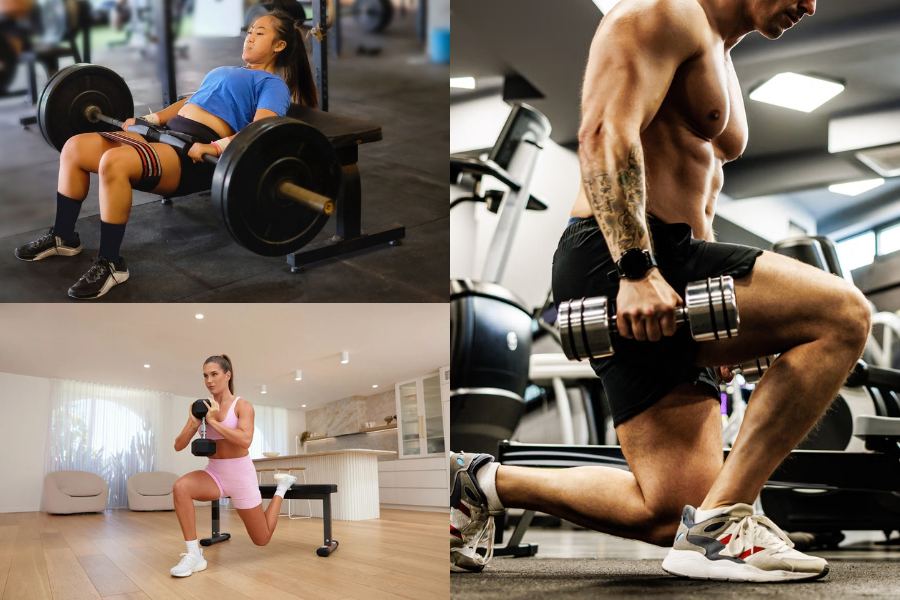
If you are looking to build lower-body strength, a well-structured glute workout gym routine can help you achieve impressive results. Your glutes—comprising the gluteus maximus, medius, and minimus—are among your body’s largest and most powerful muscles, playing a key role in everything from walking up stairs to lifting heavy objects. Below, you will discover how to warm up effectively, choose the right exercises, and recover in a way that supports maximum muscle growth.
Understand your glute muscles
Your glutes do more than just fill out your favorite jeans. They stabilize your hips, protect your lower back, and support efficient movement patterns in daily activities.
- Increased stability. Strong glutes help improve balance and reduce strain on your knees, which can be especially helpful for running or other high-impact sports.
- Improved posture. Properly developed glute muscles keep your hips in alignment, preventing your lower back from overcompensating during standing or lifting movements.
- Enhanced power. Whether you are sprinting or squatting, your glutes provide the explosive power you need to push off the ground or drive through heavy resistance.
Warm up for better results
Prepping your body before a workout is just as important as the main exercises. A dynamic warmup boosts blood flow to your lower body and primes your glutes to fire effectively.
Dynamic movements
- Leg swings. Stand tall and swing one leg forward and backward in a controlled motion. Perform 10 to 15 swings per leg.
- Hip circles. Place your hands on your hips and rotate them in a circular motion for 10 to 15 repetitions in each direction.
Pre-activation drills
- Glute bridges. Lie on your back with knees bent and feet on the floor. Raise your hips until you form a straight line from shoulders to knees, then squeeze your glutes at the top.
- Clamshells. Lie on your side with legs bent, open and close the top knee like a clamshell while keeping your feet together.
Try these gym-based exercises
Once your muscles are warmed up, you are ready for these targeted exercises that form the core of a good glute workout gym routine.
Barbell hip thrusts
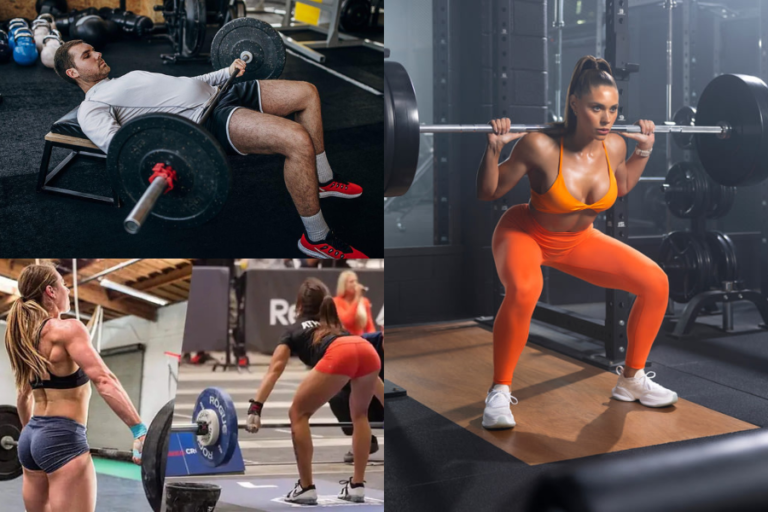
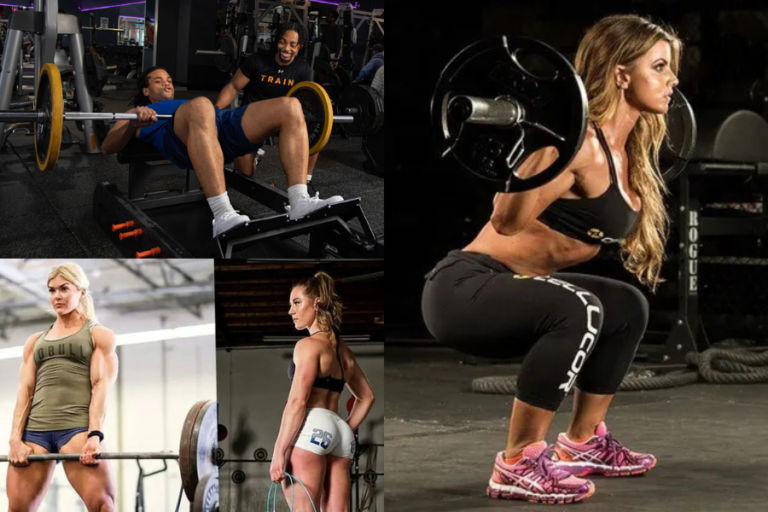
Placing a barbell across your hips while you thrust upward adds significant resistance to this classic glute isolation move. Keep your chin tucked and spine neutral to focus on your glutes instead of your lower back.
Squats
Squats hit your entire lower body, but shifting your weight slightly back and keeping your knees from caving in puts emphasis on your glutes. Aim for a full range of motion if your mobility allows.
Deadlifts
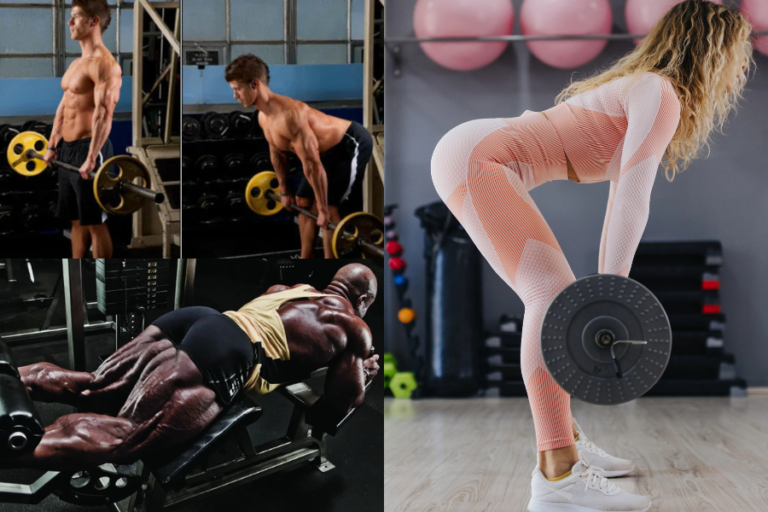
Deadlifts work the posterior chain—glutes, hamstrings, and lower back—while boosting overall lower-body strength. Keep your back straight and engage your core as you hinge at the hips.
Lunges
Stepping forward or backward into lunges challenges stability and helps isolate each glute. Focus on controlled movements and maintain an upright torso to shift more tension to your glutes.
Cable kickbacks
Cable machines offer constant tension, making them ideal for glute kickbacks. Keep your knees slightly bent and move slowly for a stronger mind-muscle connection.
Rest and recovery essentials
Rest and recovery are just as important for muscle growth as the workouts themselves. Overworking your glutes can lead to fatigue or injury.
- Cooldown stretches. Ease tension with gentle hamstring stretches, hip flexor stretches, and a child’s pose for your lower back.
- Sleep and nutrition. Aim for at least 7 to 8 hours of sleep per night to allow your muscles to repair, and focus on balanced meals that include protein, healthy fats, and complex carbs.
Key takeaways
- Glute strength is vital for posture, stability, and overall lower-body power.
- Warming up with dynamic movements and pre-activation drills sets you up for success.
- Gym-based exercises like barbell hip thrusts, squats, deadlifts, lunges, and cable kickbacks directly target your glutes.
- Make sure you schedule rest days to let your muscles recover and grow.
With a solid gym-based routine focusing on glute exercises, you can enjoy a stronger lower body, improved posture, and better overall athletic performance. Start with a few moves you are comfortable with, and gradually add weight or advanced variations as you become more confident.
About the Author