Understand intermittent fasting and your gut
If you are curious about intermittent fasting and gut health, you are not alone. Intermittent fasting is often promoted for weight loss, but more research is starting to look at how it affects your gut microbiome, digestion, and inflammation.
In simple terms, intermittent fasting means you cycle between periods of eating and not eating. Common patterns include:
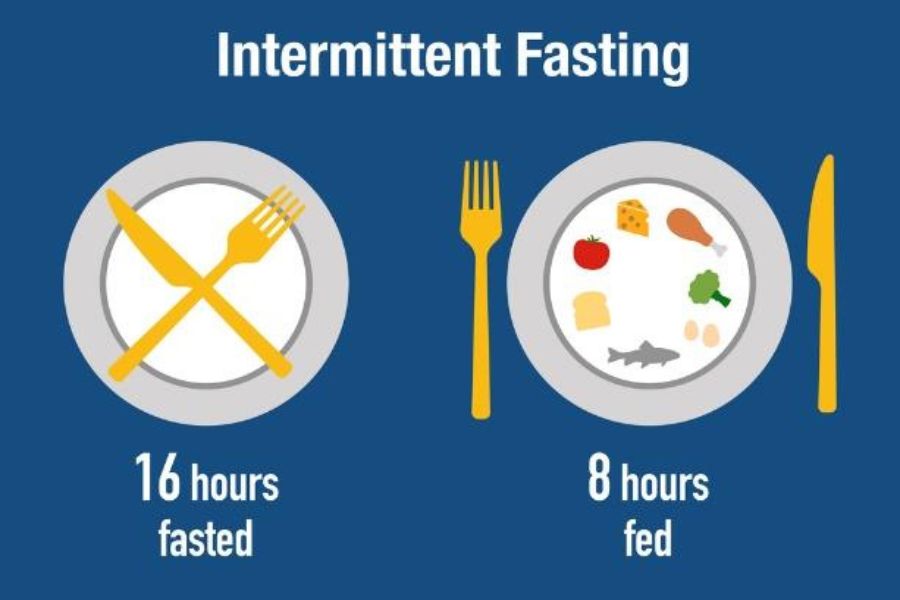
- Daily time restricted eating, like 16/8, where you fast for 16 hours and eat within an 8 hour window
- Alternate day fasting, where you eat normally one day and eat very little the next
- The 5:2 diet, where you eat normally 5 days a week and restrict calories on 2 nonconsecutive days
During fasting windows, your gut gets a break from constant digestion. This pause may affect how your gut bacteria behave and how your digestive system works overall.
See how intermittent fasting affects gut bacteria
Your gut is home to trillions of microbes that help digest food, produce vitamins, train your immune system, and communicate with your brain. Researchers often talk about:
- Richness, how many different species you have
- Diversity, how evenly those species are represented
A 2024 systematic review of eight human studies found that intermittent fasting can influence gut microbiota richness and diversity, but results were not identical in every study (PMC). Some key points from this review and related work:
- Several studies, including research on Ramadan fasting as a form of time restricted eating, reported increases in gut microbiota richness and diversity indices such as Shannon and Simpson (PMC)
- Intermittent fasting often changed beta diversity, which means the overall community structure of your gut bacteria shifted while you were fasting
- After fasting periods ended, gut communities tended to move back toward baseline, so some changes appear to be reversible (PMC)
Specific types of bacteria also changed in several studies:
- Increases were often seen in groups like Proteobacteria, Gammaproteobacteria, Clostridiales, and Faecalibacterium (PMC)
- Decreases were seen in Negativicutes, Selenomonadales, and Veillonellaceae
Other research suggests intermittent fasting can promote beneficial anaerobic bacteria such as the Lachnospiraceae family, which are involved in producing butyrate, a short chain fatty acid that supports gut lining health and may have metabolic and anti aging effects (News-Medical).
At the same time, not all studies show clear benefits, and some report no meaningful microbiome improvements at all (Gastrointestinal Society). Overall, the trend is that intermittent fasting can change your gut bacteria, but the exact pattern and impact may depend on:
- Your fasting schedule
- What you eat during eating windows
- Your weight, baseline gut health, and other lifestyle factors
Give your digestion a chance to reset
One way intermittent fasting may support gut health has little to do with specific bacteria and more to do with how your digestive system functions between meals.
Activate your migrating motor complex
When you are not eating, your gut turns on the migrating motor complex (MMC). This is a repeating wave of electrical and muscular activity that moves through your small intestine. It acts like a housekeeping sweep, pushing leftover food particles and bacteria forward.
The MMC helps:
- Prevent constipation
- Reduce the risk of small intestinal bacterial overgrowth (SIBO)
- Limit bacteria from the large intestine moving backward into the small intestine (Gastrointestinal Society)
If you snack frequently throughout the day and evening, you can interrupt this cleaning cycle. Intermittent fasting, especially time restricted eating, gives your MMC space to work, which can be helpful if you are prone to bloating or sluggish digestion.
Reduce gut irritants and grazing
The Gastrointestinal Society notes that for some people, intermittent fasting helps digestion simply because it encourages:
- Fewer random snacks that may irritate your gut
- More structured, balanced meals that leave you satisfied (Gastrointestinal Society)
When you shorten your eating window, you are more likely to:
- Plan your meals ahead of time
- Make each meal more balanced with protein, fiber, and healthy fats
- Avoid late night snacking that can disrupt both sleep and digestion
These routine changes alone can improve how your gut feels day to day.
Explore potential benefits for inflammation and metabolism
Intermittent fasting does more than change your meal timing. It can also influence inflammation and metabolic health, which are closely tied to your gut.
Calm gut related inflammation
Some practitioners and early research point to fasting as a tool to reduce inflammation that begins in the gastrointestinal system. For example, functional medicine practitioner Dr. Will Cole notes that intermittent fasting may lower inflammatory markers such as IL 6 and CRP and may decrease gut related inflammation in conditions like Crohn disease and ulcerative colitis (Dr. Will Cole).
The 2024 systematic review also highlights that many fasting studies are confounded by weight loss (PMC). Losing excess weight can reduce systemic inflammation on its own, so it is not always clear how much of the benefit comes from fasting, weight change, or diet quality.
Still, if intermittent fasting helps you adopt a more nutrient dense eating pattern and manage your weight, you may see downstream benefits in gut and immune health.
Support metabolic health through the gut
Your gut bacteria influence how you metabolize carbohydrates and fats and how your body handles bacterial toxins. Early work summarized by Dr. Will Cole suggests that intermittent fasting can:
- Improve energy metabolism
- Reduce absorption of bacterial endotoxins that are linked with insulin resistance and glucose dysfunction (Dr. Will Cole)
Other sources, like the Cleveland Clinic, also connect intermittent fasting with improved markers for metabolic health, including better blood sugar control and easier weight management in some people (Cleveland Clinic).
Since your microbiome plays a key role in these processes, it is reasonable to think that gut changes are part of how intermittent fasting works, even if all the details are not fully mapped out yet.
Recognize where the science is still unclear
As promising as intermittent fasting and gut health might sound, it is important to recognize the gaps.
- The 2024 review highlights that existing human studies are small and quite different from one another, so results are heterogeneous and sometimes contradictory (PMC)
- Dietary intake is often poorly reported, which makes it hard to separate the effect of fasting from the effect of eating fewer calories or changing food quality (PMC)
- Some studies show improved gut diversity with intermittent fasting, while others show no significant benefit (Gastrointestinal Society)
In other words, you can look at intermittent fasting as a promising tool, not a guaranteed fix. You still need supportive basics like:
- Adequate fiber from plants
- Sufficient protein
- Healthy fats
- Good sleep, regular movement, and stress management (News-Medical)
Intermittent fasting tends to work best when it is part of a larger gut friendly lifestyle, not a shortcut that replaces it.
Consider who should be cautious or avoid fasting
Intermittent fasting is not right for everyone. If your primary goal is gut health, you want to make sure fasting does not cause more problems than it solves.
If you have IBS or a sensitive gut
For some people with irritable bowel syndrome (IBS), fasting can reduce symptoms because it cuts down on frequent snacking and gives the gut more rest. However, the Gastrointestinal Society notes that larger meals during short eating windows can also trigger IBS symptoms such as:
- Abdominal pain
- Bloating
- Discomfort from a sudden volume of food (Gastrointestinal Society)
If you have IBS, your gut might prefer:
- Smaller, more frequent meals spread across the day
- Gentle, low FODMAP or personalized trigger aware eating
You can experiment carefully, but it is wise to work with a health care provider or dietitian before you make big changes to your meal timing.
If you have inflammatory bowel disease (IBD)
Research on intermittent fasting in Crohn disease and ulcerative colitis is mixed. Some studies suggest symptom improvements, while others report worsening disease activity (Gastrointestinal Society).
During both remission and flares, key goals include:
- Getting enough calories and protein
- Preventing malnutrition
- Reducing inflammation
- Supporting mucosal healing
If fasting makes it harder for you to meet these goals, it may not be appropriate for you. Any experiment with fasting and IBD should be guided by your gastroenterologist or a registered dietitian.
Other groups who should seek medical advice first
Intermittent fasting is also not usually recommended without supervision if you:
- Are pregnant or breastfeeding
- Have a history of eating disorders
- Take medications that must be taken with food at regular times
- Have diabetes or blood sugar disorders that require careful meal timing
In these situations, meal timing is a medical decision rather than a wellness experiment.
Choose a gut friendly fasting style
If you decide that intermittent fasting fits your health picture and you want to support gut health, you have choices in how you structure your day.
Start with a gentle 12 hour fast
You already fast when you sleep. Extending that natural break to 12 hours is a simple starting point. For example:
- Finish dinner by 7:30 pm
- Have breakfast at 7:30 am
This approach:
- Gives your gut a nightly rest
- Supports your circadian rhythm
- Activates your migrating motor complex without extreme restriction
Some practitioners, including Dr. Will Cole, suggest that at least 12 hours of fasting is a helpful baseline, and 14 to 16 hours may bring stronger benefits for certain people (Dr. Will Cole). You do not have to jump straight to longer fasts. You can build up slowly and see how your gut responds.
Try a 16/8 time restricted eating window
The 16/8 method is one of the most popular forms of intermittent fasting and is generally considered one of the more approachable options. For instance:
- Eat between 10 am and 6 pm
- Fast from 6 pm to 10 am the next day
The Cleveland Clinic notes that this pattern can be safer and more convenient than more extreme forms of fasting, and it may support gut health by:
- Cutting out late night snacking on calorie dense, low nutrient foods that spike your blood sugar
- Encouraging earlier dinners, which gives your digestion time to wind down before sleep (Cleveland Clinic)
During your eating window, you can protect your gut by:
- Including plenty of fiber from fruits, vegetables, legumes, nuts, and seeds
- Eating enough protein to stabilize your blood sugar
- Using healthy fats, like olive oil, avocado, and fatty fish
Focus on a gut supportive dinner
If you combine intermittent fasting with an earlier, balanced dinner, you give your gut a better overnight environment. The Cleveland Clinic recommends:
- Adding more protein at dinner to help you feel satisfied
- Including fiber from vegetables or whole grains to support your microbiome
- Avoiding heavy, sugary, or ultra processed foods late at night (Cleveland Clinic)
This combination can reduce nighttime reflux, blood sugar spikes, and gut discomfort, and it can make your fasting window feel smoother.
Make intermittent fasting work for your gut
If your goal is to boost intermittent fasting gut health benefits, the details of how you fast and what you eat matter. You do not need a perfect plan, but a few practical habits go a long way.
Build balanced meals in your eating window
Aim to make each meal:
- Fiber rich
- Vegetables, fruits, beans, lentils, oats, quinoa, nuts, seeds
- Protein centered
- Eggs, fish, poultry, tofu, tempeh, beans, Greek yogurt
- Healthy fat friendly
- Olive oil, avocado, nuts, seeds, fatty fish
This mix feeds beneficial bacteria and keeps you full, which can reduce the temptation to overeat when your eating window opens.
Avoid common fasting mistakes
To keep your gut comfortable, try to avoid:
- Large, heavy first meals that overwhelm your digestion after a long fast
- Constant snacking during your eating window that interrupts your migrating motor complex
- Ignoring hydration, since both fasting and high fiber intake work better when you drink enough water
You can soften the transition into your eating window with:
- A smaller, gentle first meal or snack such as a yogurt with berries or a small bowl of soup
- Time between meals to let your digestion catch up
Watch how your body responds
Your gut is unique, so the way you feel is important data. Pay attention to:
- Bloating and gas
- Bowel habits, such as constipation or loose stools
- Energy, mood, and sleep quality
- Cravings and appetite swings
If you notice that a certain fasting schedule consistently makes your gut feel worse, it is a sign to adjust:
- Shorten your fasting window
- Spread your food across more, smaller meals
- Talk with a health professional about whether fasting is appropriate for you right now
Put it all together
Intermittent fasting and gut health are closely linked in current research, but the story is still unfolding. Human studies suggest that fasting can:
- Shift the composition and diversity of your gut microbiome (PMC)
- Activate digestive housekeeping processes like the migrating motor complex (Gastrointestinal Society)
- Potentially reduce inflammation and support metabolic health through gut related pathways (Dr. Will Cole, Cleveland Clinic)
At the same time, intermittent fasting is not automatically the best choice for every gut, especially if you live with IBS, IBD, or complex medical needs. The safest approach is to:
- Start gently, for example with a 12 hour overnight fast
- Build meals that support your microbiome
- Notice how your gut responds and adjust as needed
- Check in with your health care provider if you have existing conditions or concerns
You do not need to overhaul your life in a day. You might simply stop eating two hours earlier tonight, or plan a more balanced dinner that sets you up for a calm overnight fast. From there, you can keep experimenting until you find a routine that works for both your gut and your goals.
About the Author