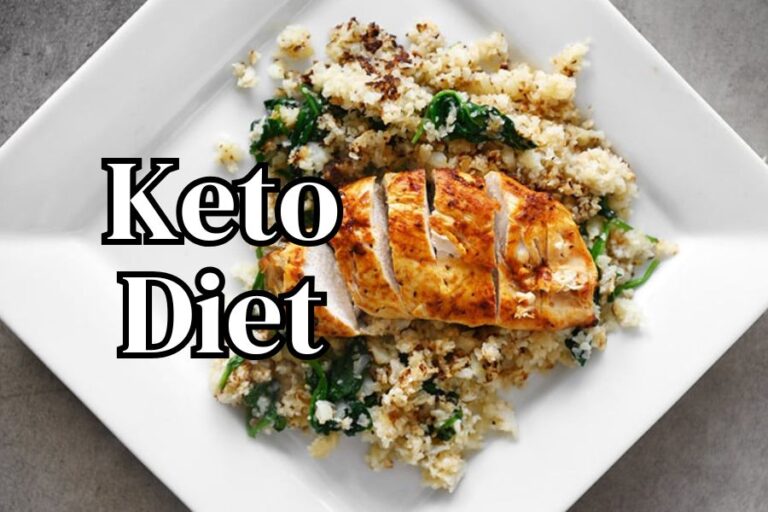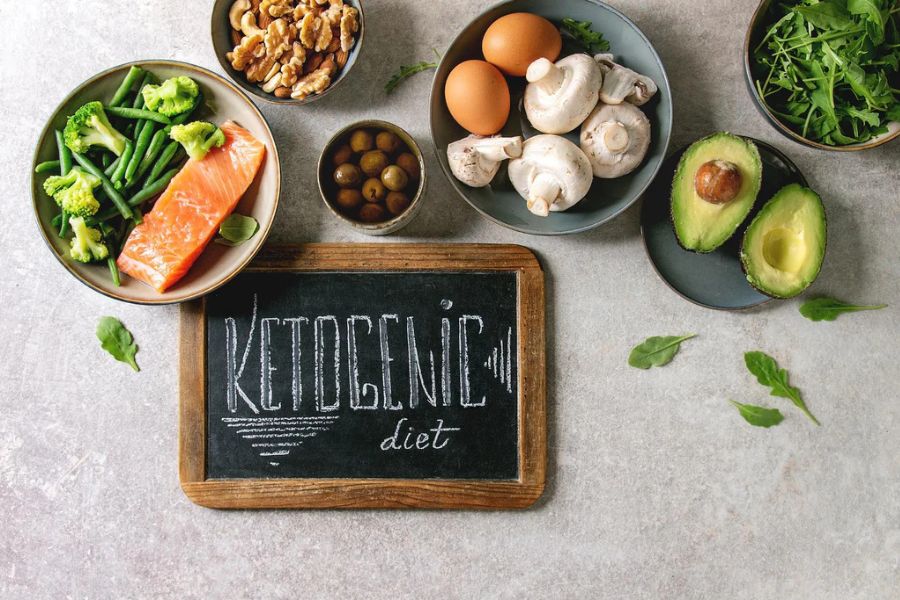
Understand how a keto meal plan works
If you are curious about using a keto meal plan to lose weight and support your health, it helps to understand what is actually happening in your body. The ketogenic diet is a low carb, high fat way of eating that typically keeps your daily carbs between about 20 and 50 grams per day (Healthline). When you limit carbs that much, your body runs out of its usual fuel, glucose, and begins burning fat for energy instead. This metabolic state is called ketosis.
A well planned keto meal plan usually:
- Limits net carbs to under 20 to 50 grams per day, depending on your needs and medical situation (Healthline, Diet Doctor)
- Increases healthy fats so you stay satisfied
- Includes moderate protein to preserve muscle mass
- Focuses on simple, repeatable meals you can realistically prep
According to evidence reviewed by Diet Doctor, people who are overweight or have insulin resistance often need to stay under 20 grams of net carbs per day to reliably remain in ketosis, while some healthy individuals may maintain ketosis at up to 50 grams of net carbs daily (Diet Doctor).
If you take medication for diabetes or high blood pressure, or if you are breastfeeding, you are encouraged to talk with your healthcare provider before starting a keto diet, since Diet Doctor notes that those situations need special care (Diet Doctor).
Know the core keto foods
A friendly keto meal plan starts with a short list of staple foods you can mix and match. You do not need complicated recipes to get benefits. You just need the right building blocks.
Protein sources you can rely on
Protein keeps you full and helps protect your muscles while you lose weight. Most unprocessed animal proteins are naturally low in carbs.
Good keto friendly proteins include:
- Beef, pork, lamb and game meats
- Poultry such as chicken, turkey, duck and Cornish hen
- Fish and seafood like salmon, sardines, mackerel and shrimp
- Eggs, which contain less than 1 gram of carbs each and support fullness hormones without increasing heart disease risk in healthy people (Healthline)
Diet Doctor’s 14 day keto plan uses these proteins at almost every meal, which makes it easier to stay under 20 grams of net carbs per day without constant tracking (Diet Doctor).
Low carb vegetables and fruits
On keto, you do not give up vegetables. You simply choose low carb options and enjoy generous portions.
Keto friendly vegetables include:
- Leafy greens like spinach, kale and arugula
- Cruciferous vegetables such as broccoli, cauliflower and cabbage
- Peppers, green beans and asparagus
- Summer squash like zucchini and yellow squash
High fat fruits that work well on a keto meal plan include:
- Avocados
- Olives
These options offer fiber plus vitamins and minerals, and the fats in avocados and olives are linked with heart health and reduced inflammation (Healthline).
Fats and oils that support you
Because carbs are low, fat becomes a major energy source. That does not mean unlimited fried food. It means choosing healthier fats that fit easily into your meals.
Helpful keto fats include:
- Olive oil, which is rich in monounsaturated fats and antioxidants that may reduce inflammation and support cardiovascular health (Healthline)
- Avocado oil for high heat cooking
- Coconut oil for sautéing and baking
- Butter and ghee, which are naturally carb free
- Natural fats that come with whole foods, such as salmon, sardines, nuts and seeds
You can drizzle these over vegetables, use them for cooking or blend them into sauces and dressings.
Set realistic goals for your first weeks
Before you start cooking from a new keto meal plan, take a moment to decide what you want from it and how strict you are comfortable being.
You might ask yourself:
- What is my main reason for trying keto, such as weight loss, blood sugar control or general wellness support?
- Am I prepared to keep my net carbs under 20 grams per day, or do I want to start closer to 30 to 40 and adjust?
- How many meals per day fit my routine? Three full meals, or two meals with a snack?
- How much time do I realistically have for cooking and cleanup on weekdays?
Diet Doctor notes that keeping net carbs below 20 grams per day typically leads to reliable ketosis and may support healthy weight loss and improved metabolic health (Diet Doctor). If that feels like too much of a jump, it is fine to step down gradually.
Plan your kitchen for keto success
The friendliest keto meal plan is the one that feels simple and repeatable. Whole Foods Market designed its 7 day keto friendly meal plan around this idea, repeating breakfasts and planning leftovers so you are not cooking from scratch every single time (Whole Foods Market). You can borrow that strategy in your own kitchen.
Stock your pantry and fridge
Aim for a small but mighty list. You can always add variety later.
You might start with:
- Proteins: eggs, chicken breasts or thighs, ground beef or turkey, salmon or another fatty fish, canned tuna or sardines
- Vegetables: spinach, kale, zucchini, cauliflower, broccoli, bell peppers, cucumbers, celery
- Fats: olive oil, avocado oil, butter or ghee, avocado, olives, nut butter with no added sugar
- Extras: full fat plain yogurt labeled keto friendly, cheese, pork rinds, jalapeño parmesan crisps, chia seeds, fresh salsa, herbs and spices
Whole Foods Market’s sample meals include Egg White Omelet Bites, keto friendly yogurt bowls, roasted salmon with spinach and feta, and pizza style stuffed portobellos, all built from straightforward ingredients you can keep on hand (Whole Foods Market).
Use easy prep shortcuts
You do not need to cook every part of every meal. Whole Foods Market suggests:
- Prepping ahead by baking, roasting or chopping ingredients in batches
- Leaning on ready to eat options, for example rotisserie chicken or sashimi
- Planning leftovers on purpose so dinner can become next day’s lunch (Whole Foods Market)
You can follow that same pattern by roasting a tray of chicken and vegetables on Sunday to use in different ways throughout the week.
Sample 7 day friendly keto meal plan
To help you picture how a keto meal plan looks in real life, here is a simple 7 day outline inspired by ideas from Diet Doctor and Whole Foods Market. This sample focuses on whole foods and repeats breakfast to keep your week easy.
You can mix and match days as needed. Portions depend on your appetite and personal plan.
Day 1
- Breakfast: Egg omelet with spinach and cheese cooked in butter
- Lunch: Chicken breast on a big salad with mixed greens, avocado, olive oil and vinegar
- Dinner: Roasted salmon with spinach and feta, cooked in olive oil, with a side of sautéed zucchini (Whole Foods Market)
- Snack: Celery sticks with chipotle mayo or another low carb dip
Day 2
- Breakfast: Full fat keto friendly yogurt with a spoonful of chia seeds and a few berries (Whole Foods Market)
- Lunch: Leftover roasted salmon over a bed of arugula with olives and olive oil
- Dinner: Pan seared Chilean sea bass or similar white fish with a lemon butter sauce and roasted broccoli (Whole Foods Market)
- Snack: Small cheese plate with olives and cucumber slices
Day 3
- Breakfast: Egg omelet with mushrooms and peppers
- Lunch: Bunless burger patty with cheese, lettuce, tomato slices and pickles
- Dinner: Herbed prime rib roast or another roast beef, served with cauliflower mash and green beans (Whole Foods Market)
- Snack: Blistered shishito peppers with a drizzle of olive oil and salt
Day 4
- Breakfast: Repeat yogurt with chia seeds and a few berries
- Lunch: Chicken salad made with chopped rotisserie chicken, mayo, celery and herbs, served in lettuce cups
- Dinner: Pizza style stuffed portobello mushrooms with tomato sauce, cheese and your favorite low carb toppings (Whole Foods Market)
- Snack: Pork rinds or jalapeño parmesan crisps with fresh salsa
Day 5
- Breakfast: Egg white omelet bites baked in a muffin tin with vegetables and cheese (Whole Foods Market)
- Lunch: Leftover stuffed portobellos with a side salad
- Dinner: Seasoned chicken breasts with an international twist, for example lemon herb or taco seasoning, plus sautéed kale and roasted cauliflower (Whole Foods Market)
- Snack: Sliced cucumber and carrots with a small portion of chipotle dipping sauce
Day 6
- Breakfast: Omelet or scrambled eggs with cheese and avocado
- Lunch: Tuna or sardine salad with olive oil mayo and diced pickles over leafy greens
- Dinner: Pan seared salmon with a side of roasted Brussels sprouts and a simple butter sauce
- Snack: Keto friendly yogurt or a few slices of cheese
Day 7
- Breakfast: Your favorite breakfast from earlier in the week
- Lunch: Leftover chicken and vegetables in a quick stir fry with coconut oil and low carb sauce
- Dinner: Simple steak or pork chops with a big salad and olive oil dressing
- Snack: Mixed olives and a few nuts, if they fit your personal carb goals
If you prefer not to plan alone, Diet Doctor’s 14 day keto meal plan offers recipes for breakfast, lunch and dinner that automatically keep net carbs under 20 grams per day and comes with digital shopping lists that you can access on your phone while you shop (Diet Doctor).
Add satisfying keto snacks and treats
You do not have to snack on keto, but if a snack helps you stay on track with your main meals, there are plenty of options that fit a keto meal plan.
Ideas inspired by Whole Foods Market include:
- Fresh veggie sticks such as celery, cucumber and carrots with a creamy chipotle dip
- Blistered shishito peppers cooked quickly in a pan and sprinkled with salt
- Fresh salsa with jalapeño parmesan crisps or pork rinds for crunch
- Keto friendly yogurt with chia seeds and a few berries
- Assorted cheese boards with olives and sliced cucumbers (Whole Foods Market)
These choices pair protein, fiber and fat so you feel full longer and do not rely on sugary snacks.
For dessert, many people stay satisfied with a small portion of full fat yogurt with cinnamon, a few berries or a piece of very dark chocolate, as long as it fits their daily carb target.
Manage side effects and stay comfortable
If you are new to keto, you might feel a little off during the first few days as your body adjusts. Some people experience the so called keto flu, with symptoms like headache, fatigue and irritability.
Diet Doctor suggests two simple steps to reduce these early symptoms:
- Drink plenty of fluids throughout the day
- Make sure you get enough salt, for example by having a daily cup of bouillon and salting your food to taste (Diet Doctor)
Giving yourself time to adjust also helps. You might:
- Scale down carbs over a few days instead of making a sudden overnight change
- Avoid intense new workouts during the first week, and focus on gentle movement instead
- Go to bed a bit earlier than usual so your body has time to recover
If you ever feel unwell in a way that concerns you, it is important to reach out to a healthcare professional, especially if you have existing medical conditions.
Decide whether keto is a good fit for you
A keto meal plan can be a powerful tool for weight loss and improving markers of metabolic health, particularly if you tend to gain weight around your midsection or have challenges with blood sugar. Diet Doctor notes that a carb intake below 20 grams of net carbs per day often increases fat burning and supports metabolic health improvements (Diet Doctor).
At the same time, keto is not the only way to improve your health, and it is not ideal for everyone. It may not be suitable for you if:
- You are taking certain medications, particularly for diabetes or high blood pressure, without medical supervision
- You are breastfeeding, since Diet Doctor advises against keto in that situation (Diet Doctor)
- You have a history of disordered eating and find strict rules triggering
If you are uncertain, you might try a gentle experiment. Follow a simple keto meal plan for one or two weeks, pay attention to your energy, mood and hunger, and then decide how you would like to continue. Whole Foods Market and Diet Doctor both offer structured meal plans, beginner guides and shopping tips that you can use for extra support as you explore what works for your body (Whole Foods Market, Diet Doctor).
Key takeaways
- A keto meal plan centers on very low carbs, higher fat and moderate protein to encourage your body to burn fat for fuel.
- Most people aiming for reliable ketosis keep net carbs under about 20 grams per day, although some can go higher and stay in ketosis (Diet Doctor).
- Base your meals on simple foods like eggs, meat, poultry, seafood, low carb vegetables, avocados, olives and healthy fats like olive oil and butter.
- Use meal prep, planned leftovers and ready to eat options such as rotisserie chicken or sashimi to keep your routine manageable (Whole Foods Market).
- Stay hydrated, get enough salt and talk with your healthcare provider if you take medications or have special health considerations.
You do not need to overhaul your entire kitchen in one day. Start with one or two keto friendly meals this week, notice how your body responds and build from there at a pace that feels sustainable for you.
About the Author