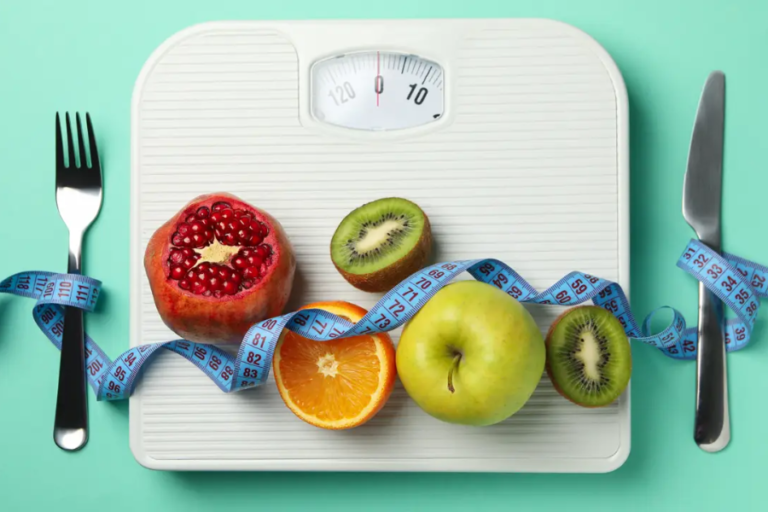
A well planned Mediterranean diet grocery list can transform the way you eat without making you feel like you are on a strict diet. Instead of counting every calorie, you focus on stocking your kitchen with satisfying, whole foods that naturally support weight loss and better health. With the right staples at home, it becomes much easier to assemble quick, flavorful meals that fit this eating style.
Below, you will find a practical guide to what to buy, why it matters, and how to use it so your cart, pantry, and plate all work in your favor.
Understand the Mediterranean diet basics
The Mediterranean diet is not a single rigid plan. It is based on traditional eating patterns from countries like Spain, Morocco, and Italy, where meals lean heavily on plants, healthy fats, and seafood instead of processed foods and heavy red meat. You build your plate around vegetables, fruits, whole grains, beans, and good quality olive oil, then add modest portions of fish, poultry, and dairy for balance.
Health organizations describe it as a long term lifestyle that focuses on whole foods and simple cooking techniques, such as grilling, baking, and sautéing with olive oil instead of butter or deep frying (Franciscan Health). It also encourages you to make half your plate vegetables and to enjoy meals slowly, often with family or friends, which supports both physical and mental wellbeing.
Build your Mediterranean pantry staples
If you want the Mediterranean diet to stick, your pantry needs to make it easy. When the building blocks are within reach, a healthy dinner is often just a few steps away.
Whole grains for lasting energy
Whole grains sit at the base of most Mediterranean diet grocery lists. They provide fiber to keep you full, steady your blood sugar, and support heart health. The Cleveland Clinic highlights whole grains like brown rice, oats, barley, quinoa, and whole wheat pasta as core foods to keep on hand (Cleveland Clinic).
You might stock:
- Rolled oats or steel cut oats
- Brown rice or wild rice
- Whole wheat or legume based pasta
- Quinoa, barley, or farro
- 100 percent whole grain bread or pitas
When you plan meals, try to swap refined grains like white bread and regular pasta for one of these options. Even one swap per day can make a difference in how satisfied you feel after eating.
Legumes and beans for budget friendly protein
Beans and lentils are essential on a Mediterranean diet grocery list because they give you fiber, plant protein, and minerals at a low cost. They also help you rely less on red meat and processed meats, which this way of eating encourages you to limit (Cleveland Clinic).
Keep a mix of:
- Canned chickpeas, black beans, and kidney beans
- Dry green or brown lentils
- Cannellini or navy beans
- Split peas
You can toss beans into salads, blend them into dips, or simmer them into soups with tomatoes and herbs. If you find canned beans easier, just rinse them before using to remove excess sodium.
Nuts, seeds, and nut butters
Nuts and seeds supply healthy fats, protein, and crunch. Along with olive oil, they are one of the main fat sources that distinguish this diet from low fat plans. Both Franciscan Health and the Cleveland Clinic highlight nuts as everyday foods to include in your pantry for heart protection and satiety (Franciscan Health, Cleveland Clinic).
Choose unsalted options such as:
- Almonds, walnuts, pistachios, or hazelnuts
- Natural peanut butter or almond butter
- Sunflower or pumpkin seeds
A small handful as a snack, a sprinkle over oatmeal or yogurt, or a topping for roasted vegetables can all add flavor and staying power to your meals.
Herbs, spices, and flavor boosters
Mediterranean cooking leans on herbs and spices instead of heavy sauces or excess salt. A handful of basics can turn simple ingredients into a satisfying dish.
You might stock:
- Dried oregano, basil, thyme, rosemary, and cumin
- Smoked or sweet paprika
- Garlic powder and onion powder
- Cinnamon for oats and fruit
- Jarred olives and capers
- Vinegars like red wine, balsamic, or apple cider
As one Mediterranean focused guide notes, fresh herbs and all natural spices are key ingredients that help you stay consistent and keep food exciting without relying on processed shortcuts (The Mediterranean Dish).
Choose the right oils and fats
Olive oil is at the heart of your Mediterranean diet grocery list. It replaces butter, margarine, and many processed dressings as your main source of added fat.
Why extra virgin olive oil matters
The Cleveland Clinic recommends making extra virgin olive oil your primary cooking and dressing fat because it contains more antioxidants and a healthier fat profile compared to regular olive oil (Cleveland Clinic). These antioxidants help protect both your heart and your brain.
A simple way to start is to:
- Use extra virgin olive oil for salad dressings, drizzling on cooked vegetables, and low to medium heat cooking
- Try regular olive oil or a blend if you are cooking at higher temperatures, and still want to stay within the same general pattern
If you are moving away from butter, give yourself a transition period. Start by using half olive oil and half butter in recipes, then gradually adjust until olive oil carries most of the load.
Other healthy fats in moderation
Beyond olive oil and nuts, you can enjoy small amounts of other fats. These might include tahini made from sesame seeds, avocado, and modest portions of full fat yogurt or cheese. The key is to keep portions reasonable and pair them with plenty of vegetables and whole grains so that meals remain balanced.
Fill your cart with fresh produce
A Mediterranean style cart is colorful. Fruits and vegetables take up more space in your basket than packaged snacks or sugary treats. This is a big part of why this eating pattern supports both weight management and disease prevention.
Vegetables you will actually use
Both Franciscan Health and the Cleveland Clinic emphasize that the Mediterranean diet grocery list is heavy on vegetables of all types, and that half of your plate at meals should come from this group (Franciscan Health, Cleveland Clinic).
Build your list around vegetables that fit your cooking style, for example:
- Leafy greens such as spinach, kale, and romaine
- Tomatoes, cucumbers, and bell peppers
- Zucchini, eggplant, and onions
- Carrots, broccoli, and cauliflower
If you buy a mix of fresh and frozen, you will always have something ready for a quick sauté, sheet pan roast, or soup.
Fruits for sweetness and fiber
Fruit replaces most desserts and sweet snacks in this eating pattern. Typical choices include:
- Apples, pears, and oranges
- Berries such as strawberries and blueberries
- Grapes, figs, and dates in small portions
- Melon or pomegranate when in season
You can enjoy fruit on its own, with a spoonful of yogurt, or sliced over whole grain cereal to add natural sweetness and vitamins.
A simple rule of thumb: when in doubt, add one more vegetable or fruit to your meal than you normally would. Over time, this small habit shifts your plate toward a Mediterranean pattern without feeling restrictive.
Pick smart protein sources
Protein still has a place on your Mediterranean diet grocery list, but the types and frequency matter. You will focus more on fish, seafood, beans, and poultry, and you will reduce how often you eat fatty red meat.
Seafood and fish as regular staples
According to Franciscan Health, common Mediterranean diet protein sources include fish such as salmon, shrimp, tuna, and halibut, eaten several times per week (Franciscan Health). You can stock a mix of:
- Canned tuna or salmon in water or olive oil
- Frozen shrimp for quick stir fries or pastas
- Fresh or frozen fillets of salmon, cod, or halibut
Many Mediterranean style recipes simply grill or bake fish with olive oil, lemon, and herbs, which makes weeknight cooking easier than you might expect.
Poultry, eggs, and dairy in moderation
Poultry, eggs, and dairy show up in this eating pattern, but they do not crowd out plants. The Mediterranean Dish notes that meats typically include seafood and poultry, with lamb and lean beef in moderation, while processed meats are discouraged (The Mediterranean Dish).
On your list, you might add:
- Skinless chicken breasts or thighs
- Eggs for breakfast or quick dinners
- Plain Greek or regular yogurt
- Modest amounts of feta, Parmesan, or other flavorful cheeses
Choosing plain yogurt and adding your own fruit, nuts, or a drizzle of honey keeps sugar in check and lets you control toppings.
Red meat and sweets, less often
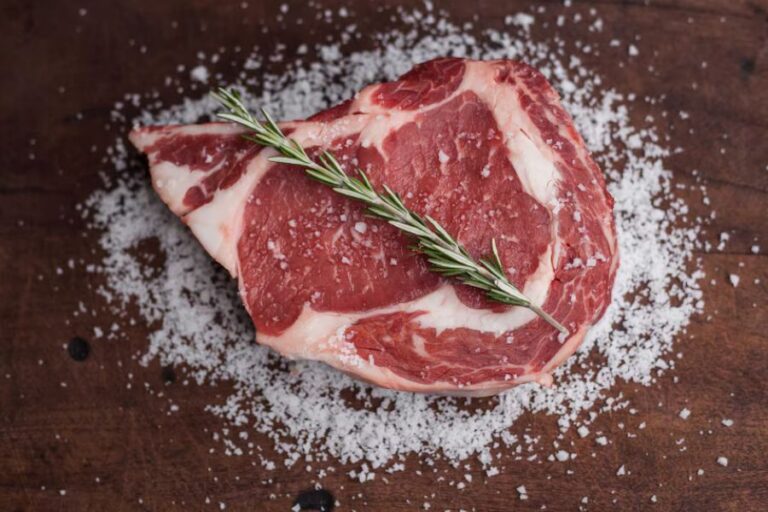
The Mediterranean diet does not ban red meat or sweets, but both the Cleveland Clinic and Franciscan Health recommend limiting red meat, especially fatty cuts and fried options, to no more than about once a week and focusing instead on nutrient dense foods like nuts, beans, and seafood (Cleveland Clinic, Franciscan Health). Desserts are usually reserved for special occasions and smaller portions, while everyday sweetness comes from fruit.
If you currently eat red meat several times a week, you can begin by designating one or two nights as fish or bean based meals and build from there.
Plan beverages and extras thoughtfully
What you drink can quietly add sugar and calories, so the Mediterranean diet keeps beverages simple.
Everyday drinks
Water is your main drink. You can add slices of citrus, mint, or cucumber if you want more flavor. Unsweetened tea and coffee also fit within this pattern. Sugary sodas and energy drinks stay as occasional choices rather than daily habits.
Alcohol in moderation
Red wine appears in many Mediterranean meal photos, but it is handled with care. Franciscan Health points out that the traditional pattern includes red wine in moderation, often around a 5 ounce glass per day for adults who already drink and who have no medical reasons to avoid alcohol (Franciscan Health).
If you do not drink alcohol, there is no need to start. If you do, talk with your healthcare provider about what level is safe for you, especially if you have existing health conditions or take medications.
Adapt your list to your lifestyle
No two Mediterranean diet grocery lists will look exactly the same. Your preferences, budget, cooking skills, and health needs all matter.
The Cleveland Clinic recommends consulting a dietitian if you have specific health goals, allergies, or conditions so that you can tailor your list and meal plans properly (Cleveland Clinic). With professional guidance, this eating pattern can be adapted for vegetarian, gluten free, or other dietary needs.
If you are building your first list, you can:
- Choose 2 or 3 whole grains you know you will use.
- Add 3 to 5 vegetables and 2 or 3 fruits you enjoy.
- Pick 2 types of beans, 1 or 2 fish options, and one poultry choice.
- Make sure extra virgin olive oil, a few herbs, and at least one type of nut are in your cart.
From there, you can rotate items week to week so you do not get bored, while still staying within the Mediterranean pattern.
Bringing it all together
When you fill your kitchen with Mediterranean friendly staples, healthier choices become the path of least resistance. Instead of forcing yourself to resist certain foods, you surround yourself with ingredients that naturally support weight loss, better heart health, and more steady energy.
Start with one small change in your next shop, such as swapping regular cooking oil for extra virgin olive oil or replacing one meat based dinner with a bean and vegetable dish. As these small choices add up, your grocery list, your meals, and your health will all begin to shift in a more Mediterranean direction.
About the Author