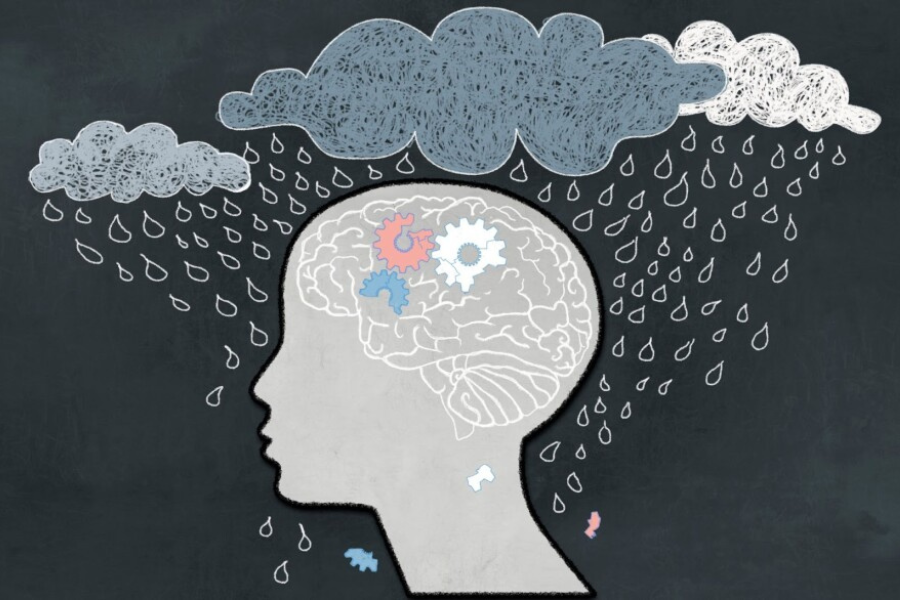
A full workday should leave you tired, not completely depleted. If you are wondering whether what you feel is just stress or something more serious, learning the key signs of workplace burnout can help you decide what to do next. Burnout is more than a rough week. The World Health Organization classifies it as a syndrome caused by chronic workplace stress that has not been successfully managed, and it affects your mental, physical, and emotional health (INTEGRIS Health).
Below, you will find clear signs of workplace burnout to watch for, plus practical ideas to respond if these descriptions sound familiar.
Understand what workplace burnout is
Before you can recognize burnout in yourself, it helps to know what it actually means.
According to Mayo Clinic, job burnout is a type of work related stress that leaves you feeling physically or emotionally worn out, and it can come with feelings of uselessness, powerlessness, or emptiness (Mayo Clinic). The World Health Organization describes burnout as a syndrome that results from chronic workplace stress you have not been able to manage successfully (INTEGRIS Health).
Researchers often talk about three main dimensions of burnout:
- Exhaustion, mental and physical fatigue
- Depersonalization, feeling numb, indifferent, or detached from work or people
- Reduced personal accomplishment, feeling ineffective, incapable, or like your work no longer matters (INTEGRIS Health)
This mix goes beyond everyday stress. Stress usually feels like you have too many demands. Burnout feels like you have no energy or motivation left to meet them (INTEGRIS Health).
Notice emotional and mental exhaustion
One of the earliest and clearest signs of workplace burnout is emotional exhaustion. You may feel worn out and drained most of the time, even if you are sleeping as much as you usually do. Mayo Clinic Health System describes emotional exhaustion as a state that slowly builds up from ongoing stressors such as high pressure jobs or caregiving responsibilities (Mayo Clinic Health System).
You might notice:
- Feeling overwhelmed by tasks that used to feel manageable
- Irritability over small things, for example, an email request or a minor schedule change
- Difficulty concentrating or making decisions
- A lack of motivation, even for work you once enjoyed (Mayo Clinic Health System)
WellRight notes that many people with burnout feel drained as soon as they wake up, struggle with sleep, and find it hard to start tasks at work (WellRight). If every day feels like you are pushing through thick fog, this is more than being a little tired.
Watch for physical fatigue and health changes
Your body often signals burnout before you put the whole picture together. Chronic workplace stress activates your stress response over and over, which can affect your sleep, immune system, and overall health.
Common physical signs can include:
- Constant fatigue, even after a full night’s sleep
- Headaches or muscle tension
- Appetite changes
- Sleep problems, such as waking up frequently or struggling to fall asleep
WellRight also mentions physical symptoms such as chest pains and headaches as possible signs of burnout in employees (WellRight). If you notice new or worsening physical symptoms, it is important to talk with a health professional, especially because burnout can overlap with other medical conditions.
Pay attention to mood changes and cynicism
Burnout does not only make you tired. It can shift how you see your job and the people around you.
Tina Halliday, LCSW, from the Huntsman Mental Health Institute, notes that symptoms can include reduced empathy, increased anger or irritability, cynicism, and sarcasm (University of Utah Health). You might catch yourself:
- Rolling your eyes mentally at every new request
- Feeling numb or detached in situations that used to matter to you
- Becoming more sarcastic or negative in conversations about work
INTEGRIS Health explains that depersonalization, one of the three main forms of burnout, can look like indifference or emotional numbness and is often paired with a more cynical attitude toward your job or the people you serve (INTEGRIS Health).
If you feel like you are watching your work life from a distance instead of participating in it, that distance can be a sign that your emotional reserves are low.
Notice disconnection from your work
Another key sign of workplace burnout is feeling disconnected from your job and your sense of purpose. Over time, you may feel like your work does not matter or that nothing you do makes a difference.
Research with health care workers found that reduced personal accomplishment was linked with worse mental health, while feeling more accomplished was associated with better mental health overall (NCBI – Acta Informatica Medica). In everyday terms, when your work feels pointless, your mood often drops.
You might recognize:
- Little or no satisfaction when you finish tasks
- Feeling like you are underperforming, even when others say you are doing fine
- Doubting your skills and value on the team
- Loss of enjoyment in parts of the job you previously liked
Sometimes this shows up as going on autopilot to get through the day, without a sense of pride or meaning.
Track changes in your performance
Performance shifts can sneak up on you. Burnout often affects focus, productivity, and the quality of your work. Mayo Clinic notes that burnout involves feelings of ineffectiveness alongside exhaustion, which can show up as struggling to stay on top of tasks or meet expectations (Mayo Clinic).
You may:
- Miss deadlines you would normally meet
- Have trouble starting tasks, so you procrastinate more
- Make more errors or overlook details
- Find it harder to prioritize, so everything feels urgent at once
Mayo Clinic Health System also mentions that emotional exhaustion can lead to difficulty maintaining productivity and focus at work (Mayo Clinic Health System).
If your performance issues are new or getting worse, and they come with fatigue and low mood, burnout may be part of the picture.
Notice withdrawal, isolation, and absenteeism
When you feel burned out, interacting with others can feel like another demand on your already thin energy. Over time, you may pull back socially at work and at home.
WellRight highlights several social and behavioral signs of employee burnout (WellRight):
- Disengagement from work and social interactions
- Isolation, such as avoiding coworkers or skipping informal chats
- Increased absenteeism, taking more sick days or finding reasons not to log in if you work remotely
If you work from home, isolation can be easy to miss because there are fewer casual check ins. You might still attend required meetings but keep your camera off, speak less, or avoid optional gatherings.
While everyone needs quiet time, consistent withdrawal from people and activities you usually enjoy can signal something deeper than a preference for alone time.
Look for changes in how you cope
Another sign of workplace burnout is a shift in how you cope with stress. Tina Halliday points out that burnout can come with increased use of alcohol or drugs and not taking time off for yourself (University of Utah Health).
You might:
- Rely more on alcohol or other substances to relax after work
- Scroll endlessly on your phone to numb out instead of doing things that truly recharge you
- Skip breaks and vacations, even when you could take them
- Ignore your own needs because you feel there is no time or energy left for you
These patterns can create a difficult cycle. You feel worn out, you use short term coping strategies that do not truly restore you, then you feel even more depleted.
Understand the difference between stress, burnout, and depression
One reason the signs of workplace burnout can be confusing is that they overlap with both stress and depression.
INTEGRIS Health offers a useful distinction (INTEGRIS Health):
- Stress often feels like having too many demands and too much to do
- Burnout is more about not having enough energy, motivation, or resources left
Mayo Clinic also notes that job burnout symptoms can look similar to depression and that it is important to talk with a health or mental health professional because conditions can overlap (Mayo Clinic).
Depression usually affects all areas of your life, not just work. Burnout is more tightly connected to your job or caregiving role, although it can still spill into your personal life.
If you are unsure what you are experiencing, you do not have to sort it out alone. A professional can help you understand what is going on and what kinds of support might help.
Know why addressing burnout early matters
It might be tempting to hope burnout will disappear if you just push through, but ignoring the signs of workplace burnout can have real costs.
Mayo Clinic warns that untreated job burnout can worsen both physical and mental health over time (Mayo Clinic). University of Utah Health notes possible consequences such as:
- More sick days
- Lower productivity
- Strain on your mental, emotional, physical, and spiritual health
- A cycle of exhaustion that can lead to withdrawal, depression, anxiety, and sometimes reliance on substances like alcohol or drugs to cope (University of Utah Health)
WellRight also reports that nearly 75 percent of workforces experience chronic burnout, which is linked to higher employee turnover (WellRight). In other words, you are not alone in feeling this way and taking your symptoms seriously can protect your health and your career.
Take practical steps if you see yourself in these signs
Not every solution is within your control, but there are concrete actions you can take once you recognize the signs of workplace burnout.
Check in with yourself honestly
Set aside a few quiet minutes and ask yourself:
- Which signs from this list sound most like me right now
- When did I first notice them
- Are they getting better, worse, or staying the same
Putting your observations in writing, even as a few bullet points, can help you see patterns more clearly.
Identify and reduce controllable stressors
Mayo Clinic Health System recommends recognizing and minimizing stressors you can influence, even if you cannot change everything about your job (Mayo Clinic Health System).
You might:
- Clarify priorities with your manager so you are not trying to treat every task as urgent
- Set clearer boundaries around work hours, including limiting after hours email where possible
- Break large projects into smaller steps so they feel less overwhelming
Even small adjustments can begin to shift how your days feel.
Build in moments of rest during the day
You do not have to wait for a vacation to recharge. Short mental breaks during the day can help reset your stress response.
Ideas include:
- A brief walk outside or around your building between meetings
- A few minutes of slow breathing or stretching
- Eating away from your desk so your brain has a true pause from work tasks
Tina Halliday suggests practices such as walking meetings, encouraging mental health breaks, and even simple support like healthy snacks as ways workplaces can help prevent burnout (University of Utah Health). You can start with what is within your control, even if your organization has not fully adopted these ideas yet.
Reach out instead of isolating
Burnout often makes you want to pull back from others, but connection is one of the things that can help the most.
Consider:
- Talking with a trusted friend or family member about how you are feeling
- Reaching out to a coworker you feel safe with and sharing a bit of what you are noticing
- Letting someone know if your workload or emotional load feels unmanageable
If you are in a leadership position, regular check ins with your team can help you spot burnout in others and create a culture where asking for help is acceptable. University of Utah Health emphasizes the importance of managers checking in frequently and encouraging self care and mental health breaks (University of Utah Health).
Talk with a health or mental health professional
If the signs of workplace burnout you recognize in yourself are strong, persistent, or getting worse, reaching out to a professional is an important next step.
Mayo Clinic recommends consulting a health or mental health professional when you notice burnout symptoms because they can overlap with depression and other medical issues (Mayo Clinic). A professional can:
- Help you distinguish between burnout, depression, and other concerns
- Work with you on coping strategies tailored to your life
- Offer support as you navigate any changes you may need to make at work
This is not a sign of weakness. It is a way of protecting your long term wellbeing.
Key takeaways
- Burnout is more than stress. It is a state of chronic workplace stress that affects your mind, body, and emotions.
- Common signs of workplace burnout include emotional and physical exhaustion, cynicism, feeling ineffective, withdrawal from others, and changes in coping habits.
- Ignoring burnout can worsen your health, while noticing the signs early gives you more options to respond.
- Small, consistent changes, such as setting boundaries, taking real breaks, and reaching out for support, can begin to lighten your load.
- If your symptoms are intense or lasting, it is important to talk with a health or mental health professional for guidance.
You deserve a work life that challenges you without draining you completely. If the signs described here sound familiar, consider choosing one step you can take this week to support your own wellbeing, then build from there.
About the Author