A paleo diet can feel like a big shift, but at its core it is simple. You focus on whole foods that your ancestors could recognize, and you skip modern ultra processed options that tend to work against your health. With a few practical changes, you can use the paleo diet to support weight loss, better energy, and healthier blood markers without counting every calorie.
Understand what the paleo diet really is
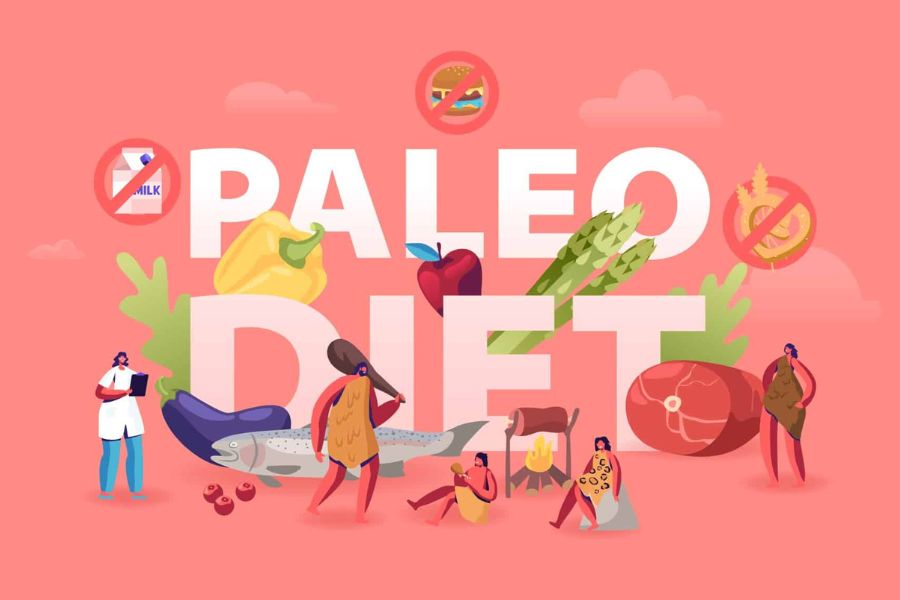
The paleo diet is built around foods humans might have eaten during the Paleolithic era, roughly 2.5 million to 10,000 years ago. That means plenty of vegetables, fruits, lean meats, fish, eggs, nuts, and seeds, and it excludes grains, legumes, and dairy that only arrived with farming about 10,000 years ago (Mayo Clinic).
The idea is that your genes may not be fully adapted to modern agricultural foods or industrial ingredients. Some researchers suggest this mismatch could play a role in obesity, diabetes, and heart disease, especially when these foods come in highly processed, low fiber forms (Mayo Clinic).
Instead of tracking macros, the classic paleo approach encourages you to fill your plate with nutrient dense, minimally processed foods. You eat until you are satisfied, not stuffed, and let food quality do much of the work for you (The Paleo Diet).
Know what you can and cannot eat
You do not need a long list taped to your fridge to get started. You only need a clear idea of what belongs in your cart and what you will leave on the shelf.
Foods you focus on
Most of your meals will come from these groups:
- Vegetables, especially non starchy ones like leafy greens, broccoli, peppers, zucchini, carrots, and colorful varieties
- Fruits in moderation, such as berries, apples, oranges, and seasonal options
- Lean, unprocessed meats, ideally grass fed or pasture raised when you can find them
- Poultry and eggs
- Fish and seafood, especially wild and fatty fish that are rich in omega 3 fats (EatingWell)
- Nuts and seeds, such as almonds, walnuts, sunflower seeds, and pumpkin seeds
- Healthy fats, like olive oil, avocado, coconut, and the natural fat that comes with unprocessed meats
Contrary to common jokes, a healthy paleo diet is not a plate piled high with bacon. In fact, many paleo practitioners describe it as plant centered, because vegetables cover a large portion of every meal (NUNM).
Foods you limit or avoid
On a strict paleo diet, you avoid:
- All grains, including wheat, rice, oats, corn, barley, and products made from them
- Legumes, such as beans, lentils, peas, peanuts, and soy products
- Dairy, including milk, cheese, yogurt, and ice cream
- Refined sugar and sweets
- Highly processed foods with long ingredient lists
- Industrial seed oils, such as corn, soybean, and canola oils (EatingWell)
Some modern versions of paleo are more flexible. You might see people include small amounts of grass fed, fermented dairy like kefir or yogurt, or occasional whole grains or legumes if they fit their digestion and goals (EatingWell). You can decide over time how strict you want to be.
Explore the science backed benefits
You are likely interested in the paleo diet because you want results that you can feel and measure. Research suggests that paleo style eating may help on several fronts, especially in the short term.
Weight loss and body composition
In a meta analysis of 21 randomized controlled trials with 700 adults, people following a Paleolithic diet lost about 5.8 kilograms in short term studies of up to six months. Control groups lost about 3.9 kilograms, so the paleo group saw a stronger effect on weight loss overall (PMC, MDPI).
Another study in postmenopausal women found that following a paleo diet led to about 9 percent weight loss at six months and 10.6 percent at twelve months, with weight stabilizing after that point (Healthline). These results suggest that paleo can be especially useful for kickstarting weight loss when you are beginning a new health plan.
Blood sugar and insulin
Several trials indicate that a paleo diet can improve markers of carbohydrate metabolism. In the meta analysis, participants eating paleo showed short term reductions in fasting glucose, insulin, and HbA1c, measures that relate to blood sugar control and insulin sensitivity. These improvements were not seen in control diets to the same extent, and only the paleo diet group maintained lower fasting glucose and insulin in the longer term (PMC, MDPI).
If you are concerned about prediabetes or metabolic health, this pattern is encouraging. Swapping refined carbohydrates and sugary foods for vegetables, fruits, and lean proteins gives your body a more stable fuel source.
Cholesterol, blood pressure, and heart health markers
Early data also shows benefits for blood lipids and blood pressure. Long term studies in the same review found that a Paleolithic diet reduced total cholesterol and LDL cholesterol more effectively than control diets, while the control diets did not significantly change these markers (PMC, MDPI).
In the short term, the paleo diet reduced systolic blood pressure by about 6.9 mmHg and diastolic pressure by 4.9 mmHg, which is slightly more than the reductions seen in comparison diets (PMC, MDPI). That shift can make a meaningful difference if your blood pressure is edging upward.
Some of these improvements likely come from cutting out ultra processed foods and focusing on vegetables, fruits, and high quality proteins. One large Spanish study linked paleo style eating to lower cardiovascular risk factors, mainly due to reduced processed food intake and more produce on the plate (Mayo Clinic).
Stay realistic about the limitations
No single way of eating is perfect, and paleo is no exception. Understanding the possible downsides will help you design a version that works for your body and your lifestyle.
Nutrient gaps to watch
Because paleo excludes dairy, whole grains, and legumes, you might miss out on:
- Calcium and vitamin D, often supplied by dairy products
- Some types of fiber and certain B vitamins that come from whole grains and legumes
Reviews note potential calcium and vitamin D deficiencies on strict paleo, along with a possible rise in a heart disease marker called TMAO, which may be linked to lower intake of prebiotic fibers from grains and legumes (NCBI Bookshelf). You can work around this by:
- Eating plenty of leafy greens and small bone in fish like sardines for calcium
- Spending time outdoors and discussing vitamin D testing or supplements with your healthcare provider
- Getting a wide variety of vegetables, nuts, seeds, and possibly some flexible additions if needed
Major health organizations like the American Heart Association do not officially endorse paleo at this time. They point to concerns about nutritional balance and the lack of long term data showing that paleo is superior to other well designed diets like the Mediterranean pattern (NCBI Bookshelf).
Cost, prep time, and practicality
Paleo can be more expensive if you always buy grass fed meats and organic produce. It also requires more cooking from scratch and less reliance on convenient packaged foods. One overview notes that the diet often demands time, resources, and access to fresh local products, which can be a barrier (NUNM).
If you are vegetarian or vegan, strict paleo is especially challenging, because it removes legumes, a main plant based protein source. In that case, you may be better off borrowing paleo ideas, like cutting back on ultra processed foods, while keeping beans and lentils for balance (NUNM).
For most people, the biggest win is not being 100 percent “perfectly paleo.” It is moving your daily meals away from ultra processed choices and toward simple, whole foods that you enjoy and can keep eating.
Decide how strict your paleo approach should be
You do not have to flip a switch overnight. The modern Paleo Diet framework even suggests that you can see benefits by aiming for 50 to 85 percent of your foods from paleo approved sources, rather than trying to be perfect all the time (The Paleo Diet).
Think of your options as a spectrum:
- Strict paleo most of the time, with no grains, legumes, or dairy
- Flexible paleo that allows small amounts of high quality dairy, like grass fed yogurt, or occasional whole grains
- Paleo inspired eating, where you keep beans, oats, or kefir if they agree with you, but remove refined sugar and ultra processed snacks
The right level depends on your goals, health conditions, and what you can realistically maintain. If you frequently travel or eat with family, a flexible approach might feel more sustainable while still delivering results.
Build simple paleo meals that keep you full
To make the paleo diet work for weight loss and better health, focus on meals that are satisfying, balanced, and easy to repeat.
Use a “paleo plate” formula
You can keep things simple with a basic structure:
- Half the plate non starchy vegetables
- One quarter lean protein
- One quarter paleo friendly carbohydrates, like fruit or starchy vegetables such as sweet potatoes
- A serving of healthy fat, like olive oil, avocado, or a small handful of nuts
This ratio helps keep your blood sugar steady and your appetite in check, without needing a tracking app.
Practical meal ideas
You might try:
- Breakfast: Vegetable omelet cooked in olive oil with spinach, mushrooms, and tomatoes, plus a side of berries
- Lunch: Big salad with mixed greens, grilled chicken or salmon, avocado, cucumber, carrots, and a simple olive oil and lemon dressing
- Dinner: Baked salmon with roasted Brussels sprouts and carrots, and a side of roasted sweet potato
- Snacks: A small handful of nuts and an apple, sliced bell peppers with guacamole, or hard boiled eggs
If you enjoy coffee, you do not have to give it up. Many modern paleo guidelines consider coffee fine for most people, as long as you are not loading it with sugar. Alcohol is best kept as an occasional treat, with red wine or simple spirits generally preferred over beer (The Paleo Diet).
When you want dessert, you can make small paleo style treats using ingredients like almond flour and honey instead of wheat flour and refined sugar. The key is to see them as occasional, not daily staples (The Paleo Diet).
Compare paleo to other popular diets
It is helpful to understand how the paleo diet stacks up against other trends, especially keto and Mediterranean style plans.
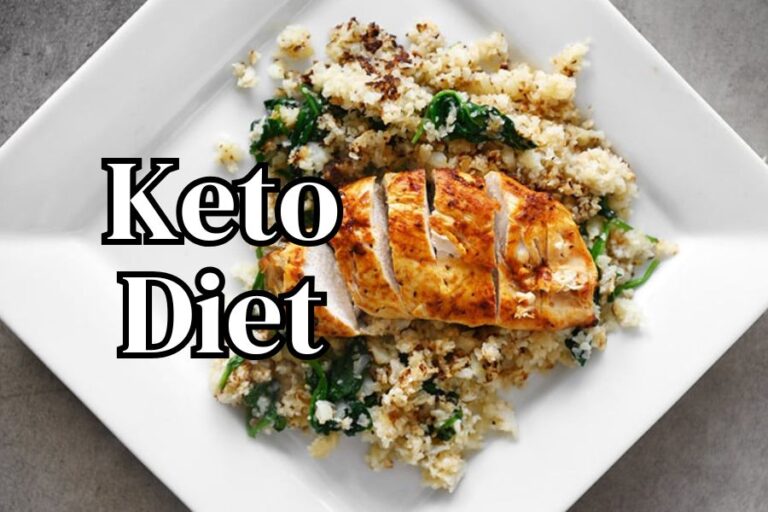
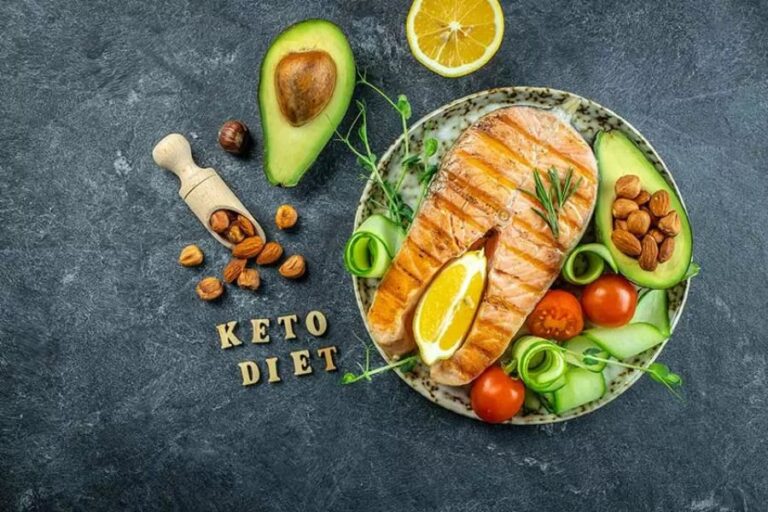
The paleo diet focuses on whole foods and removes grains, legumes, and most dairy. Keto, on the other hand, is all about very low carb, high fat eating to push your body into ketosis. Keto allows dairy and some processed low carb products, while it limits most fruits and many vegetables (Healthline).
Analyses suggest that paleo is usually easier to follow long term than keto because you get a wider variety of nutrients and fewer strict carb limits (Healthline). You can still enjoy fruits and a generous portion of vegetables.
Compared with the Mediterranean diet, paleo is more restrictive, since Mediterranean plans include whole grains, legumes, and low fat dairy and are widely backed by long term evidence. Many experts point out that you can achieve similar heart health benefits with a Mediterranean style diet, without cutting out entire food groups (Mayo Clinic).
You do not have to pick a label forever. You can borrow the best ideas from each approach and shape them around your body and your life.
Take your first steps today
You do not need a perfect meal plan or a pantry overhaul before you start. Choose one or two changes you can make this week, such as:
- Replacing sugary breakfast cereals with eggs and vegetables
- Swapping your usual refined grain side dish for roasted vegetables or a baked sweet potato
- Cooking one simple paleo dinner at home instead of ordering takeout
Once those feel comfortable, you can build from there. Over time, you are likely to notice more stable energy, fewer cravings, and gradual changes in your weight and lab results.
If you have existing health conditions, especially diabetes, kidney disease, or heart disease, it is smart to talk with your healthcare provider or a registered dietitian before you make big changes. They can help you adjust the paleo diet so that it supports your specific needs and fills any nutrient gaps.
By focusing on whole, recognizable foods and making steady, realistic shifts, you give yourself a strong foundation for lasting health results with the paleo diet.
About the Author