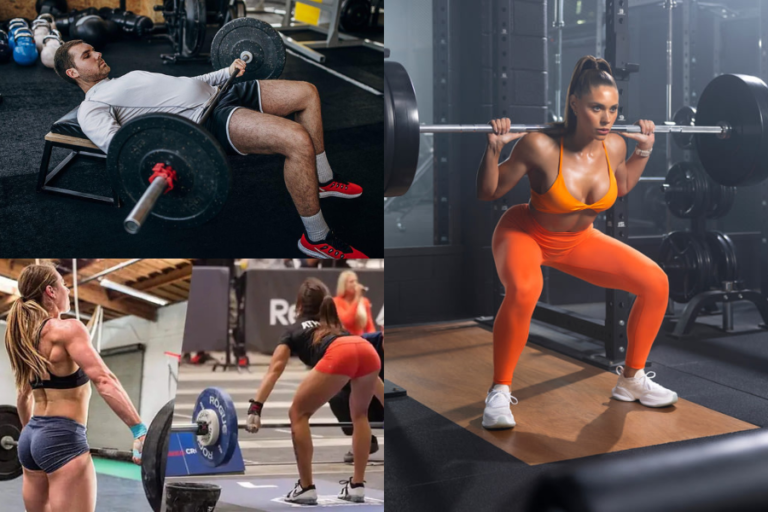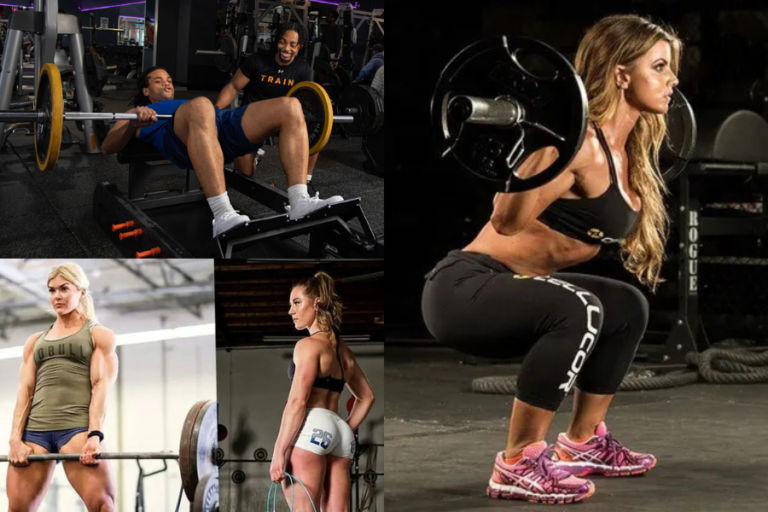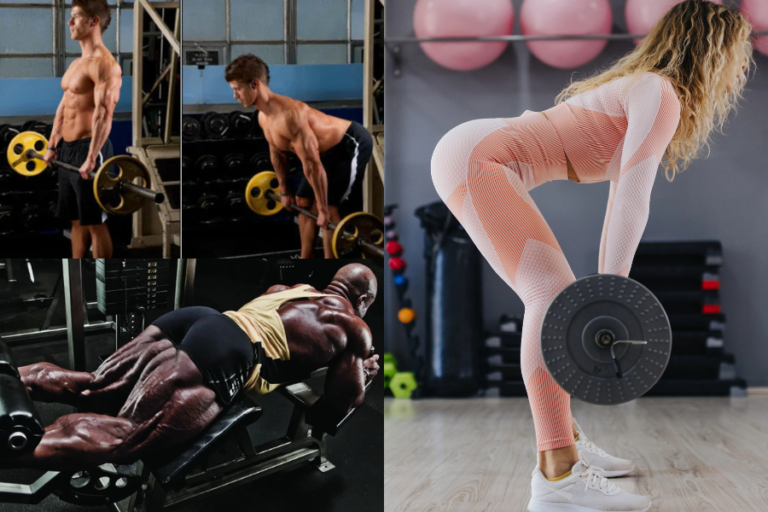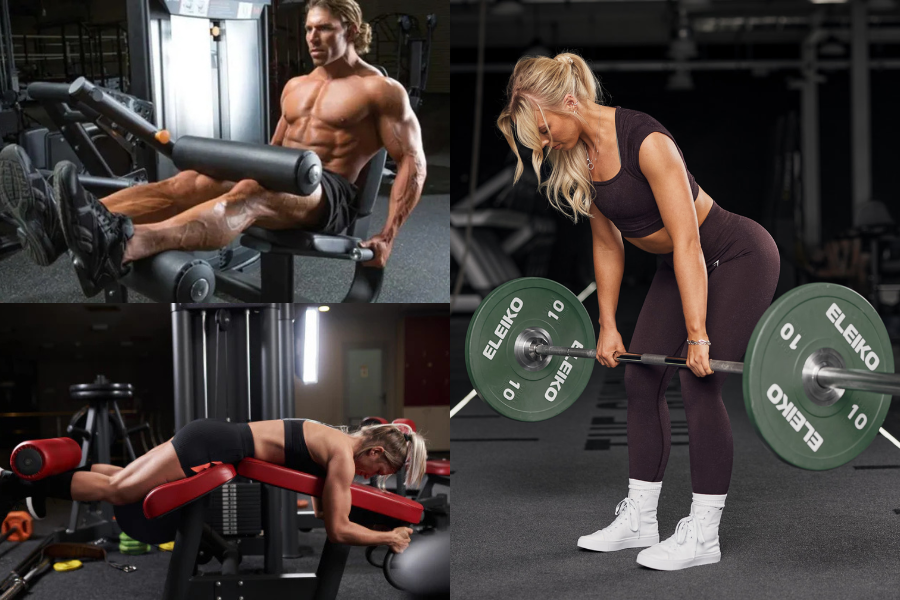
A strong lower body is about more than appearance. A well designed hamstring and glute workout protects your back and knees, improves posture, and makes everyday movements like climbing stairs or lifting groceries feel easier.
In this guide, you will learn how your hamstrings and glutes work together, how often to train them, and exactly which exercises to use whether you are a beginner or more advanced.
Understand your posterior chain
Your posterior chain is the group of muscles that runs along the back of your body. When you walk, run, hinge, or jump, these muscles do much of the work, especially your glutes and hamstrings.
Your glutes are a trio of muscles, the gluteus maximus, medius, and minimus. They originate from your pelvis and sacrum and insert on your femur, which allows them to extend, abduct, and rotate your hip and even assist with knee extension. The gluteus maximus is the largest muscle in your body and plays a key role in hip extension, standing upright, climbing stairs, and supporting your lower back, as explained in a 2024 guide from Nutrisense.
Your hamstrings run along the back of your thigh. The main muscles are the biceps femoris, semitendinosus, and semimembranosus. They start at your sit bone and attach around your knee, which allows them to extend the hip and flex the knee. These muscles help control your leg as you run, decelerate your body, and stabilize your knees.
When your hamstrings and glutes are strong and coordinated, they reduce strain on your lower back, knees, and even ankles. When they are weak or tight, you are more likely to develop pain and overuse injuries.
Why hamstrings and glutes matter
You might think of hamstring and glute training as a way to build muscle and shape your lower body. That is one benefit, but there are several others that matter just as much.
Stronger hamstrings and glutes help you:
- Protect your hamstrings from strains by improving strength and flexibility
- Support your lower back by providing better hip control and spinal stability
- Improve performance in running, jumping, and change of direction
- Maintain better knee alignment and reduce stress on ligaments
- Increase your resting metabolic rate since muscle burns more calories than fat
Sports Injury Physio notes that tight, weak hamstrings are a common source of injury, and that strengthening them through targeted exercises helps reduce that risk. Nutrisense also highlights that building muscle through lower body training supports metabolic health and insulin sensitivity because muscle tissue burns more calories at rest than fat.
If you are active in sports like soccer or football, hamstring strength is especially important. Your hamstrings help you brake and change direction, and research cited by Sports Injury Physio shows that fatigue and inadequate strength are key contributors to hamstring strains.
How often to train hamstrings and glutes
You do not need to train hamstrings and glutes every day to see results. In fact, your muscles grow and adapt when you rest.
Glute training expert Bret Contreras notes that many people do well training glutes around three times per week, with an effective range of two to six sessions depending on your genetics, exercise choice, and total volume. For hamstrings, Dr. Mike Israetel’s 2024 guide suggests that most people can recover from about two to three hamstring sessions per week, as long as the total set count stays within a reasonable range for your experience level.
A simple way to structure your week is:
- 2 to 3 lower body sessions per week
- 1 to 2 glute focused exercises and 1 hamstring focused exercise in each session
- At least one rest or light day between hard lower body workouts
If you are newer to strength training, start with two days per week and focus on form. As you adapt, you can add a third day or increase the difficulty of your exercises.
Warm up for better performance
Warming up your posterior chain prepares your muscles and joints and can lower your risk of strains.
A 2024 glute and hamstring guide recommends a short cardio warm up plus activation drills before your main lifts. You can follow a similar structure:
-
5 to 10 minutes of light cardio
Walk, cycle, or use an elliptical at an easy pace. Your goal is to raise your heart rate slightly and increase blood flow to your legs. -
Dynamic mobility and activation
Perform 2 to 3 rounds of 8 to 10 reps of each:
- Knee hugs or marching in place to loosen your hips
- Glute bridges on the floor to wake up your glutes
- Lunges with elbow to instep to open your hip flexors
- Leg swings or gentle hip flexions to work through range of motion
- Specific warm up sets
Before your first heavy exercise, such as a deadlift or hip thrust, do one or two very light sets to rehearse the movement.
This warm up sequence only takes 10 to 15 minutes, but it sets you up to move better and train harder with less risk.
Key exercises for hamstrings and glutes
There are two broad types of movements you want in your hamstring and glute workout: hip hinge exercises and knee flexion exercises. You also want some compound lower body moves that recruit multiple muscles at once.
Hip hinge exercises
Hip hinge exercises emphasize bending at the hips while keeping your spine neutral. They build strength in your hamstrings, glutes, and spinal erectors.
-
Romanian deadlift (RDL)
Romanian deadlifts focus on the eccentric or lowering phase. They are excellent for hamstring and glute hypertrophy and also carry over to your conventional deadlift performance. Use a barbell or dumbbells, keep a soft bend in your knees, push your hips back, and lower the weight until you feel a deep stretch in your hamstrings without rounding your back. -
Single leg Romanian deadlift
Balancing on one leg increases the challenge for your hamstrings and glutes and recruits your gluteus medius for hip stability. Sports Injury Physio highlights the single leg RDL as a key exercise for both strength and balance. Focus on a small knee bend, hinge at the hip, and keep your torso and back leg in one straight line. -
Conventional or stiff leg deadlift
A barbell deadlift is one of the most effective exercises for hamstring growth because it allows you to use heavy weight with a multi joint movement pattern. A 2024 guide recommends 3 sets of 6 to 8 reps for growth and strength. If you choose a stiff leg variation, keep the bar close to your legs and do not lock your knees.
Hip extension and glute dominant exercises
These moves focus more on your glutes while still involving your hamstrings.
-
Hip thrusts and glute bridges
Hip thrusts primarily target your gluteus maximus and also work your hamstrings and adductors, with relatively little stress on your lower back. Start with bodyweight glute bridges, then progress to barbell hip thrusts once you feel stable. Many programs recommend 3 sets of 8 to 10 reps. -
Elevated bridges and ball curls
A double leg bridge with your feet on a chair shifts more load to your hamstrings. Sports Injury Physio suggests starting with both legs, then moving to single leg bridges and eventually stability ball curls as you get stronger. -
Kettlebell swings
Kettlebell swings are a ballistic hip hinge. You drive the bell up by snapping your hips forward, which loads the hamstrings and glutes and trains power. Suggested programming is 3 sets of 12 to 15 reps.
Knee flexion exercises
Hamstrings do not just extend your hip. They also flex your knee, so you need at least one exercise that bends your knee under load.
-
Hamstring curls
Machine hamstring curls are one of the safest ways to isolate your hamstrings. Seated variations tend to be very effective when you move slowly and avoid using momentum. The 2024 hamstring guide recommends 10 to 30 reps per set for leg curls, since they respond well to moderate and high rep work. -
Stability ball curls or band curls
If you do not have a machine, lie on your back with your heels on a stability ball. Lift your hips into a bridge, then curl the ball toward you by bending your knees. Alternatively, anchor a band and do lying or standing leg curls.
Compound lower body movements
These exercises work multiple groups including quadriceps, hamstrings, and glutes, and are useful for overall leg development.
-
Squats
Squats are somewhat quad dominant, but they still train your glutes and have been linked with improved athletic performance. You can use bodyweight, dumbbells, or a barbell. Keep your chest lifted, sit your hips back, and go as deep as your mobility allows. -
Split squats and step ups
Step ups and split squats are unilateral exercises that are very effective for glute activation and hip extensor strength. Sports Injury Physio notes that you can lean slightly forward in a split squat to emphasize glutes and hamstrings more.
Sample hamstring and glute workout plans
You can build a strong posterior chain with bodyweight exercises at home or with free weights in a gym. Use the plans below as starting points and adjust based on your fitness level.
Aim to move with control, feel the target muscles working, and leave 1 or 2 reps in reserve on each set so you can maintain good form.
Beginner friendly 2 day plan
Day 1
- Glute bridge, 3 sets of 12 reps
- Bodyweight Romanian deadlift, 3 sets of 10 reps
- Step ups to a low box or stair, 3 sets of 8 reps per leg
- Stability ball or band leg curls, 2 to 3 sets of 12 to 15 reps
Day 2
- Bodyweight squats, 3 sets of 12 reps
- Single leg glute bridge, 3 sets of 8 reps per leg
- Reverse lunges, 3 sets of 8 reps per leg
- Hip flexor and hamstring stretch, 30 to 45 seconds per side, 2 rounds
Rest at least one day between these sessions. Focus on learning the movements and breathing steadily.
Intermediate 3 day plan
Day 1, Hinge focus
- Romanian deadlift, 3 sets of 6 to 8 reps
- Barbell or dumbbell hip thrust, 3 sets of 8 to 10 reps
- Hamstring curl machine, 3 sets of 10 to 15 reps
Day 2, Unilateral focus
- Bulgarian split squat or split squat, 3 sets of 8 reps per leg
- Single leg Romanian deadlift, 3 sets of 8 reps per leg
- Glute bridge march or single leg bridge, 3 sets of 10 reps per leg
Day 3, Power and volume
- Kettlebell swings, 3 sets of 12 to 15 reps
- Squats, 3 sets of 8 to 10 reps
- Stability ball leg curls, 2 to 3 sets of 12 to 15 reps
If you are using heavier loads, keep at least one light week every 4 to 6 weeks where you reduce either weight or sets to let your hamstrings fully recover.
Technique tips to protect your hamstrings
Hamstrings are powerful but can be sensitive to overload if you rush. A few simple guidelines help keep your training safe and effective.
-
Control the eccentric
Hip hinge exercises like RDLs work best when you lower the weight slowly and feel a stretch through the back of your leg. Avoid bouncing or jerking the weight. -
Use a full range of motion
In hip hinges, bend at your hips until you feel tension, but stop before your lower back rounds. In leg curls, straighten your knees completely between reps and curl all the way through. -
Stretch smart, not aggressively
Tight hamstrings increase injury risk, so add gentle stretching after your workout. Reaching for your toes while standing or sitting is a simple way to maintain flexibility, as suggested by Genesis Orthopaedic and Spine. -
Do not forget your hip flexors
Tight hip flexors can shut down your glutes and force your hamstrings to work harder. Including hip flexor stretches in your routine helps your glute max fire properly and reduces strain on your hamstrings. -
Respect fatigue
Muscle fatigue is a major contributor to hamstring injuries during sports like soccer. Plan rest days or light sessions after hard games so your muscles have time to recover.
Putting it all together
A well rounded hamstring and glute workout trains both hip hinging and knee flexion, uses a mix of compound and isolation exercises, and fits into a schedule you can maintain.
Start by picking 3 to 5 exercises that match your current level, aim for 2 to 3 sessions per week, and keep your technique controlled and consistent. Over time, you will notice stronger lifts, more stable knees and hips, and a posterior chain that supports you in everything from daily chores to your favorite sports.
About the Author