How screen time affects your sleep
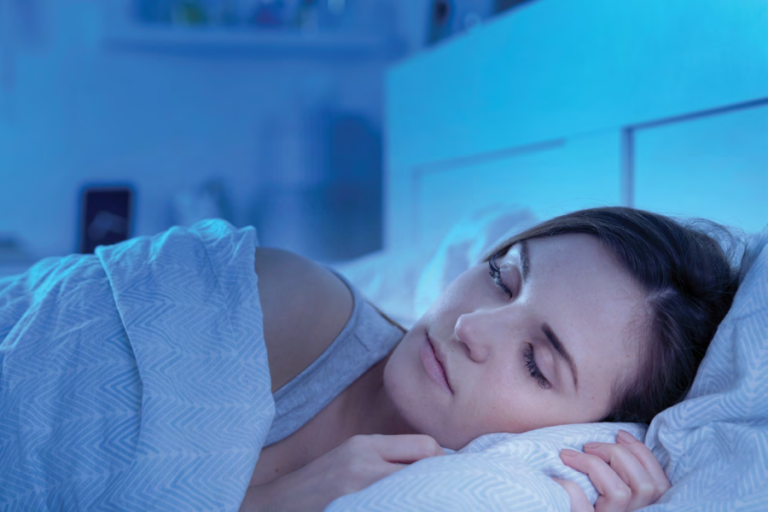
If you have ever wondered, “does screen time before bed affect sleep?” you are not alone. Most people keep a phone, tablet, or TV within arm’s reach at night, and many use it right up until lights out. Research shows that this habit can make it harder to fall asleep, reduce your sleep quality, and leave you groggy the next day.
Scientists have looked closely at how evening screen use changes your brain chemistry, your body clock, and even your mood. Their findings are consistent. Using screens in the hour or two before bed is strongly linked to delayed bedtimes, shorter sleep, and more restless nights (Sutter Health, Sleep Foundation).
The good news is that even small changes to your evening routine can lead to better rest. You do not need a perfect “digital detox.” You just need a plan that works for you.
What happens in your brain at night
To understand how screens affect your sleep, it helps to know what your body is trying to do before bed.
Your natural sleep-wake cycle
Your body runs on a 24-hour internal clock called the circadian rhythm. As evening arrives, your brain begins to release more melatonin, a hormone that signals it is time to wind down. Rising melatonin levels usually:
- Make you feel drowsy
- Lower your body temperature slightly
- Prepare your brain for deeper, more restorative sleep
Anything that delays or suppresses this melatonin surge can push your bedtime later and shorten your total sleep.
Why blue light is a problem
Screens on phones, tablets, computers, and TVs give off blue light, a short wavelength light that is especially good at keeping you alert. Several studies show that blue light exposure in the hours before bed:
- Suppresses or delays melatonin production
- Keeps your brain in “daytime” mode
- Makes it harder to feel naturally sleepy
The Sleep Foundation notes that blue light from back-lit devices and LED or fluorescent lighting reduces or delays melatonin and decreases feelings of sleepiness at night (Sleep Foundation). Sutter Health reports that the bright light from cell phones and computers directly stimulates brain regions that promote wakefulness and blocks melatonin, which makes it harder to fall asleep (Sutter Health).
In practical terms, that extra episode or last scroll through social media can signal “morning” to your brain at exactly the time you want it to be winding down.
How screen time changes your sleep
Screens do more than just keep you awake a little longer. Research links nighttime screen use to real changes in how long and how well you sleep.
Shorter sleep and later bedtimes
Across many studies, people who use screens before bed tend to:
- Go to bed later
- Take longer to fall asleep
- Sleep for fewer total hours
A review of more than 60 studies on children and adolescents found that evening screen time, especially in the bedroom, is consistently associated with delayed bedtimes and shorter total sleep (PMC). A meta-analysis of over 125,000 young people reported that using portable devices at bedtime more than doubled the odds of not getting enough sleep and also increased the odds of poor sleep quality and daytime sleepiness (PMC).
Adults show similar patterns. Studies cited by Sutter Health indicate that two or more hours of screen time in the evening can significantly disrupt the melatonin surge you need to fall asleep, and they recommend turning off electronics at least one hour before bed (Sutter Health).
Poorer sleep quality
You might still get a reasonable number of hours in bed but wake up feeling unrefreshed. In that case, sleep quality is the issue.
A prospective study of medical students found that higher smartphone screen time was significantly associated with poorer sleep quality, as measured by the Pittsburgh Sleep Quality Index (PMC). Participants with poor sleep quality had more screen time overall compared with those who slept better.
Other research suggests that blue light before bed can reduce the amount of slow-wave and REM sleep. These are the deep stages of sleep that help with memory, learning, and emotional regulation (Sleep Foundation).
You might notice this as:
- Waking up more often during the night
- Feeling mentally foggy the next day
- Struggling with focus or memory
More daytime tiredness
When you sleep less or get less restorative sleep, you pay for it during the day. In youth, bedtime use of phones and tablets is linked to greater odds of excessive daytime sleepiness (PMC). Adults report similar struggles with energy, mood, and productivity.
If your mornings feel like you are moving through thick fog, your bedtime screen habits might be playing a role.
Why content type matters, not just screen time
It is not only the light from screens that affects you. What you do on your device shapes how ready your mind is for sleep.
High-stimulation activities
Activities that keep your brain active or stressed can make it harder to shift into sleep mode. These include:
- Fast-paced video games
- Intense TV shows or movies
- Emotional social media scrolling
- Work emails and messages
Neurologist Dr. Joanna Cooper notes that texting, watching shows, and playing games at night can boost brain stimulation and adrenaline, which makes it harder to calm down and fall asleep (Sutter Health). Studies in youth also show that stimulating content, including violent video games before bed, increases arousal, delays sleep, and reduces REM sleep (PMC).
Quiet but still bright
Even calmer screen activities, such as reading on a tablet or e-reader, can still delay melatonin because of the blue light. If you rely on digital reading before bed, the light itself might still be disrupting your rhythm, even if the content feels relaxing.
Paper books or e-ink readers without a bright backlight, paired with warm, dim bedside lighting, are gentler on your sleep cycle. The Sleep Foundation notes that bright bedroom lighting can delay melatonin production, and that dim red, yellow, or orange light has minimal effect on your circadian rhythm and is better for nighttime reading (Sleep Foundation).
How much screen time is too much before bed
You might be wondering exactly how long you can stay on your phone at night without sabotaging your sleep.
What studies suggest
Different studies use slightly different cutoffs, but several patterns emerge:
- Two or more hours of evening screen time can significantly disrupt the melatonin rise that helps you fall asleep (Sutter Health).
- Using screens in the hour before bed is common, and it is strongly associated with unsatisfactory sleep in large surveys (Sleep Foundation, National Sleep Foundation).
- For children and teens, even 1 to 2 hours of media in the bedroom before bed is linked to worse sleep outcomes (PMC).
Overall, the closer your screen time is to lights out, and the longer you use it, the more it is likely to affect your sleep.
Simple rules of thumb
You do not need to count every minute, but these guidelines can help:
- Aim to stop using bright screens at least 30 to 60 minutes before your target bedtime
- Limit intense or emotional content in the hour before bed
- Treat your phone like a tool you put away at night, not a constant companion
If that sounds unrealistic, you can start smaller. Even shifting your last screen time 15 to 30 minutes earlier can make a noticeable difference for some people.
Screens, kids, and teens
If you are responsible for a child or teenager, your screen rules at night matter even more.
Research shows that children and adolescents are particularly sensitive to blue light. Evening exposure suppresses melatonin, delays their body clock, and reduces total sleep duration, with younger children showing greater melatonin suppression than adults (PMC, Sleep Foundation).
The American Academy of Pediatrics recommends:
- Keeping TVs, computers, and gaming systems out of bedrooms
- Charging phones and tablets outside the bedroom overnight
Sutter Health notes that these steps help prevent late night gaming or texting that can interfere with sleep (Sutter Health). The National Sleep Foundation also encourages creating a screen free sleep environment by removing devices from the bedroom and avoiding phone use in bed (National Sleep Foundation).
If you are trying to help a child or teen sleep better, bedtime screen rules are a powerful place to start.
Benefits of cutting back on screens before bed
You might be surprised by how quickly your sleep improves when you tweak your evening tech habits.
Better sleep timing and duration
Interventions that limit screen use before bed have led to:
- Earlier bedtimes
- Longer total sleep time
For example, one program that asked adolescents to limit screen use in the hour before bed advanced bedtime by about 17 minutes and increased sleep by about 19 minutes per night on average (PMC).
In a small trial with college students, restricting mobile phone use for just 30 minutes before bed for four weeks reduced how long it took to fall asleep by about 12 minutes and increased sleep duration by about 18 minutes (PLOS ONE).
Calmer mind at night
That same study in college students found that cutting back on phones before bed decreased both physical and mental pre-sleep arousal, the racing thoughts and restless feelings that keep you from drifting off (PLOS ONE).
Participants also reported:
- More positive moods
- Fewer negative feelings
This suggests that a quieter, screen free wind down can help you feel both more relaxed at night and more balanced during the day.
Sharper thinking the next day
Sleep and cognition are closely linked. When you sleep better, your brain works better.
In the four week mobile phone restriction study, participants improved their working memory performance on several tasks after adjusting their bedtime habits (PLOS ONE). This lines up with other research showing that deep sleep and REM sleep are crucial for attention, learning, and memory (Sleep Foundation).
If you are trying to be more focused at work or school, addressing pre-bed screen time is a practical step you can control.
Practical ways to use screens more wisely at night
You do not have to quit technology. Instead, you can design a routine that supports your sleep and still fits your life.
1. Set a screen curfew that feels realistic
Start with a clear cut off time. For example:
- If you want to be asleep by 11:00 p.m., aim to stop all bright screen use by 10:00 p.m.
- If that is too big a leap, begin with a 30 minute break, then work up to a full hour.
Use an alarm or reminder on your phone labeled “Wind down time” so you are not relying on willpower at the end of a long day.
2. Shift high-stimulation activities earlier
Try to move these activities to earlier in the evening:
- Online gaming with friends
- Intense or emotional TV shows
- Work emails and messaging apps
- Fast paced social media scrolling
Reserve the last hour before bed for lower stimulation, low light activities, such as reading, gentle stretching, or quiet conversation.
3. Adjust your lighting
Since bright light is a big part of the problem, small changes help:
- Dim overhead lights at least an hour before bed.
- Use warm toned lamps instead of bright white bulbs.
- Avoid bright LED and fluorescent lighting late at night.
The Sleep Foundation highlights that bright bedroom light can push back melatonin by as much as 90 minutes compared with dim light (Sleep Foundation). Think “soft evening glow” instead of “daytime brightness.”
4. Make your bedroom as screen free as possible
If you can, keep the bedroom for sleep and intimacy only. Helpful steps include:
- Charging your phone outside the bedroom at night
- Removing the TV from the bedroom
- Using a traditional alarm clock instead of your phone
The National Sleep Foundation notes that avoiding phone use in bed and removing devices from the bedroom reduces disruptions from alerts and light exposure and helps protect your sleep time (National Sleep Foundation).
If you cannot fully remove devices, try at least:
- Turning off notifications at night
- Placing the device face down and across the room
5. Use tech tools wisely
If you must use screens late, a few settings can reduce the impact:
- Turn on night modes or blue light filters during evening hours.
- Lower your screen brightness as much as is comfortable.
- Switch to dark mode in apps when possible.
Some research suggests that blue light filters and amber tinted glasses may help reduce melatonin suppression, although the most effective strategy is still to reduce screen exposure itself (Sleep Foundation).
6. Build a simple wind down routine
Replacing scroll time with a different habit makes change easier. You might try:
- Reading a physical book or magazine under a soft lamp
- Writing a short reflection or to do list for tomorrow
- Gentle stretches or relaxed breathing for 5 to 10 minutes
- Listening to a calming podcast, audiobook, or music with the screen off
Pick one or two activities that feel doable rather than trying to build a perfect bedtime routine all at once.
When to consider extra support
Tweaking your screen habits can help many sleep issues, but it is not the only factor. If you:
- Regularly struggle to fall asleep or stay asleep
- Feel extremely tired during the day despite enough time in bed
- Snore loudly or wake up gasping
it can be helpful to speak with a health care professional or sleep specialist. They can help you explore other causes, such as insomnia, sleep apnea, or mood disorders, which may need more targeted treatment.
Key takeaways
To answer the question “does screen time before bed affect sleep,” the research is clear. Yes, it does, in several ways:
- Blue light from screens in the evening suppresses melatonin and delays your body clock.
- Nighttime screen use is linked with later bedtimes, shorter sleep, and poorer sleep quality.
- Stimulating content such as games, social media, and intense shows keeps your brain alert when it should be winding down.
- Children and teens are especially sensitive to these effects.
You do not need to give up your devices altogether to sleep better. Even modest changes, such as limiting screens 30 to 60 minutes before bed, dimming your lights, and keeping devices out of the bedroom, can lead to earlier sleep, longer sleep, and better energy the next day.
You can start tonight with one small change, like setting a screen curfew or swapping your last scroll for a few pages of a book. Then pay attention to how you feel in the morning. Your sleep might be more responsive than you think.
About the Author