Understand keto and cholesterol basics
If you are thinking about keto for weight loss or better health, you have probably heard people talk about keto and cholesterol in the same breath. Some say a ketogenic diet can improve your cholesterol profile, while others warn that it can send your LDL through the roof.
The truth sits somewhere in the middle. The ketogenic diet changes how your body uses fuel, and that shift can affect your blood fats in several ways, both helpful and potentially harmful.
Before you decide if keto makes sense for you, it helps to understand:
- How a typical ketogenic diet is structured
- What LDL, HDL, and triglycerides actually are
- Why your numbers might go up or down on keto
A ketogenic diet usually gets about 75% of calories from fat, 20% from protein, and about 5% from carbohydrates. At this very low carb level, your body switches to burning fat and producing ketone bodies for energy, a state called ketosis (Penn Medicine).
Learn how keto can help your cholesterol
In spite of its high fat content, keto is not automatically bad for your cholesterol. In many studies, especially in people with type 2 diabetes or obesity, a ketogenic diet has shown several benefits.
Potential improvements in your lipid profile
Research has found that in some people keto can:
- Lower total cholesterol
- Reduce triglycerides
- Increase HDL, the “good” cholesterol
A 2023 review of studies in people with type 2 diabetes reported that those on a ketogenic diet saw greater reductions in total cholesterol, LDL, and triglycerides, and increases in HDL compared with a standard diabetes diet, at least over 12 weeks (PMC). Participants also lost a meaningful amount of weight, while the control group did not.
Other analyses included in the same review noted that, overall, ketogenic diets tend to lower triglycerides and raise HDL in people with type 2 diabetes, with LDL sometimes dropping slightly or remaining unchanged (PMC).
Penn Medicine cardiology experts also report that keto can improve HDL levels and enhance insulin sensitivity, which may help reverse type 2 diabetes and improve blood sugar control (Penn Medicine).
Why those changes matter for your heart
These shifts can be positive for your heart because:
- High triglycerides and low HDL are linked with higher cardiovascular risk
- Improved insulin sensitivity reduces strain on your blood vessels and heart
- Weight loss alone can lower blood pressure and improve many metabolic markers
In addition, ketone bodies themselves may have anti-inflammatory and protective effects on your blood vessels. Research suggests that ketones can reduce inflammatory signaling, improve mitochondrial function, and protect against oxidative stress, which may all support vascular health (PMC).
Recognize the risks and red flags
On the other hand, not everyone responds to keto in the same way. For some people, keto and cholesterol changes can be more concerning, especially when it comes to LDL.
When LDL goes up on keto
Several expert groups and case reports have raised important cautions:
- Mass General Brigham notes that diets very high in saturated fat, such as versions of keto that rely heavily on butter, cream, and fatty meats, can raise LDL cholesterol and may increase the risk of heart disease and stroke in people with existing cardiovascular risk factors (Mass General Brigham).
- A 2022 trial of people with diabetes and pre-diabetes found that while keto improved triglycerides and HDL, LDL cholesterol actually increased, while a Mediterranean-style diet led to lower LDL (PMC).
Perhaps the most striking data come from a 2023 case series. People who followed a ketogenic diet for roughly a year experienced an average LDL increase of 187 mg/dL, a 245% jump, with LDL levels as high as 810 mg/dL in some cases (American Journal of Preventive Cardiology). Many of these individuals were lean and physically active, and some were labeled “Lean Mass Hyper Responders” because their LDL rose more than 200 mg/dL on keto.
In a smaller group who underwent genetic testing, two people were found to have mutations in the LDL receptor gene, suggesting that genetics can play a major role in how your cholesterol reacts to keto (American Journal of Preventive Cardiology).
The good news about reversibility
There is also some reassuring news if you discover that your LDL climbs sharply on keto.
In the same case series, people who stopped the ketogenic diet saw their LDL fall by an average of 174 mg/dL, or a 220% reduction, even without changing anything else (American Journal of Preventive Cardiology). For those who both discontinued keto and started statin therapy, LDL dropped even further, by about 290% on average.
Penn Medicine clinicians also note that some people see an initial spike in LDL and triglycerides when they first start keto, but these increases may settle down within weeks to months and might not translate into a big rise in short term cardiovascular risk if levels normalize again (Penn Medicine).
Still, you should never ignore a sustained LDL rise, especially if you have:
- A personal or family history of heart disease or stroke
- Known genetic lipid disorders
- Diabetes, high blood pressure, or other cardiovascular risk factors
Low carb and heart rhythm questions
There are ongoing questions about very low carb diets and heart rhythm problems. One observational study cited by both Mass General Brigham and Penn Medicine found that people getting 44% or less of their calories from carbohydrates had a higher risk of atrial fibrillation, an irregular heart rhythm (Mass General Brigham, Penn Medicine).
This study did not specifically examine keto or prove that low carb eating causes atrial fibrillation. However, it does highlight the need for caution, especially if you already have heart rhythm issues.
Electrolyte shifts on keto may also play a role. With lower insulin levels and fluid changes, your sodium, potassium, and magnesium balance can be disturbed, which in turn can affect heart rhythm control (Mass General Brigham).
Compare keto with heart healthy guidelines
Part of understanding keto and cholesterol is seeing how a classic ketogenic diet differs from common heart health recommendations.
Typical macronutrient breakdowns
| Approach | Fat | Protein | Carbohydrates |
|---|---|---|---|
| Ketogenic diet | About 75% | About 20% | About 5% of calories |
| Heart health guidelines | Moderate | Moderate | About 45% to 60% of calories, mainly from high fiber whole foods (Mass General Brigham) |
Heart health guidelines favor a higher proportion of carbohydrates, with an emphasis on:
- Whole grains
- Legumes
- Fruits and vegetables
- Foods high in soluble fiber, which can help lower LDL and balance blood sugar (Mass General Brigham)
Keto flips that pattern, drastically limiting carbs while pushing fat intake up.
Choose healthier fats on keto
If you decide to try keto, the type of fat you eat matters as much as the total amount.
Fats to limit
On a typical “bacon and butter” keto plan, it is easy to overload on saturated fats from:
- Fatty cuts of red meat
- Processed meats like bacon and sausage
- Butter, cream, and high fat cheeses
- Fast food and fried foods
Experts at Penn Medicine caution that relying heavily on these sources may contribute to atherosclerosis and coronary heart disease, especially over time (Penn Medicine).
Fats to favor
You can design a more heart conscious ketogenic diet by centering your fat intake on:
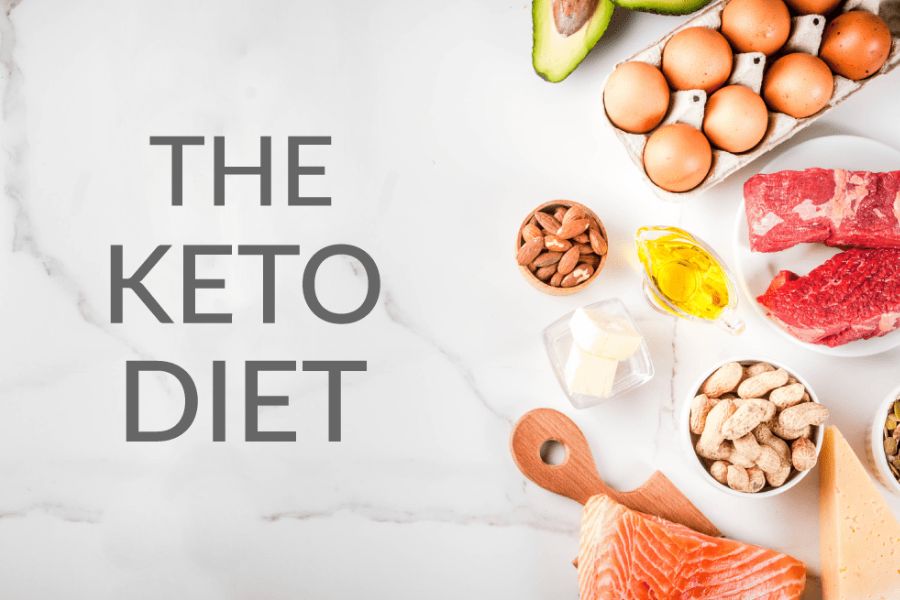
- Monounsaturated fats: olive oil, avocado, nuts, and nut butters
- Polyunsaturated fats: salmon, sardines, mackerel, trout, walnuts, and seeds
Penn Medicine suggests leaning toward these unsaturated fats, found in eggs, fish, and nuts, to help reduce the potential cardiovascular risks of keto (Penn Medicine).
Interestingly, the 2023 review also notes that higher dietary cholesterol does not always equal higher blood cholesterol, because your body can adjust how much cholesterol it produces and absorbs. The article even cites a case of an 88 year old man who ate 25 eggs a day for 15 years without abnormal lipids, and it mentions that the USDA removed strict cholesterol intake limits in 2015 (PMC).
That does not mean you should ignore cholesterol altogether, but it does show that the relationship between dietary cholesterol and blood cholesterol is complex and highly individual.
Watch for signs keto may not suit you
Your response to keto and cholesterol changes will depend on your genes, medical history, and the specific way you build your meals. Some people feel energetic and see their markers improve, while others run into problems.
Here are signals that you should slow down or rethink keto:
- Your LDL cholesterol jumps significantly and stays high on repeat testing
- You develop chest discomfort, shortness of breath, or new exercise intolerance
- You notice heart palpitations or new irregular heartbeats
- You have trouble managing blood sugar despite careful planning
- You feel persistently unwell on the diet, beyond the temporary “keto flu” phase
People with known heart disease, a history of stroke, chronic kidney disease, or a strong family history of early heart problems should talk with a cardiologist or knowledgeable clinician before starting a ketogenic diet.
Work with your care team
Keto is powerful, so it deserves a thoughtful, supervised approach, especially when you are thinking about keto and cholesterol together.
Questions to ask your doctor
Before you begin, you might ask:
- Is keto safe for me given my heart history and risk factors?
- How often should I check my cholesterol, blood pressure, and blood sugar?
- Are there medications I take that could interact with a very low carb diet?
- Would a less restrictive plan, such as a Mediterranean or moderate low carb diet, be a safer option?
If you already follow keto, ask:
- How have my lipids changed over the last few months?
- Do my numbers suggest I might be a “hyper responder” to dietary fat?
- Should I adjust the types of fats I am eating or increase my carb intake?
Mass General Brigham and Penn Medicine both emphasize that long term data on strict keto and heart health remain limited and mixed, and that you should interpret your own results cautiously and in partnership with your clinician (Mass General Brigham, Penn Medicine).
Make keto work more safely for you
If your doctor agrees that keto is reasonable for you, there are practical steps you can take to reduce risk and track your progress.
1. Get a baseline picture
Before you cut carbs, ask for:
- A fasting lipid panel, including LDL, HDL, triglycerides, and total cholesterol
- Fasting blood sugar and, ideally, an A1C
- Blood pressure measurement
This gives you a clear “before” snapshot that you can compare against later.
2. Recheck labs regularly
Plan to repeat your labs:
- About 6 to 12 weeks after starting keto
- Then every 3 to 6 months for the first year
- Or as often as your clinician recommends, especially if you see big changes
If your LDL climbs dramatically, you can adjust your diet, add medication if needed, or reconsider whether strict keto is right for you.
3. Emphasize whole foods
Whatever version of keto you follow, try to focus on:
- Non starchy vegetables at most meals
- Whole food protein sources such as eggs, poultry, fish, and tofu
- Healthy fats from olive oil, nuts, seeds, and avocado
- Minimally processed foods whenever possible
This kind of pattern is more likely to support good cholesterol levels than a low carb diet built mainly on processed meats and convenience foods.
4. Stay alert to symptoms
Even if your labs look good, pay attention to how you feel:
- New or worsening chest pain, jaw pain, or arm pain
- Sudden shortness of breath
- Episodes of feeling like your heart is racing or skipping beats
If you notice these changes, especially if they are new or severe, contact your healthcare provider right away.
Decide if keto fits your goals
Keto can be a powerful tool for weight loss, blood sugar control, and sometimes for improving certain aspects of your cholesterol profile. At the same time, evidence shows that in some people, especially lean individuals and those with genetic predispositions, keto can dramatically raise LDL cholesterol and may carry heart related risks.
When you think about keto and cholesterol for your own life, it may help to ask yourself:
- What is my main goal, such as weight loss, diabetes reversal, or better energy?
- Do I have any personal or family history that makes heart disease more likely?
- Am I willing to monitor my lab values and adjust my plan if needed?
- Would a more moderate approach, like a Mediterranean or moderate low carb diet, get me close to my goals with fewer unknowns?
There is no one “right” answer that fits everyone. By understanding how keto affects cholesterol and working closely with your care team, you can make a more informed and confident choice about the way you eat.
About the Author