Understand what a keto grocery list does
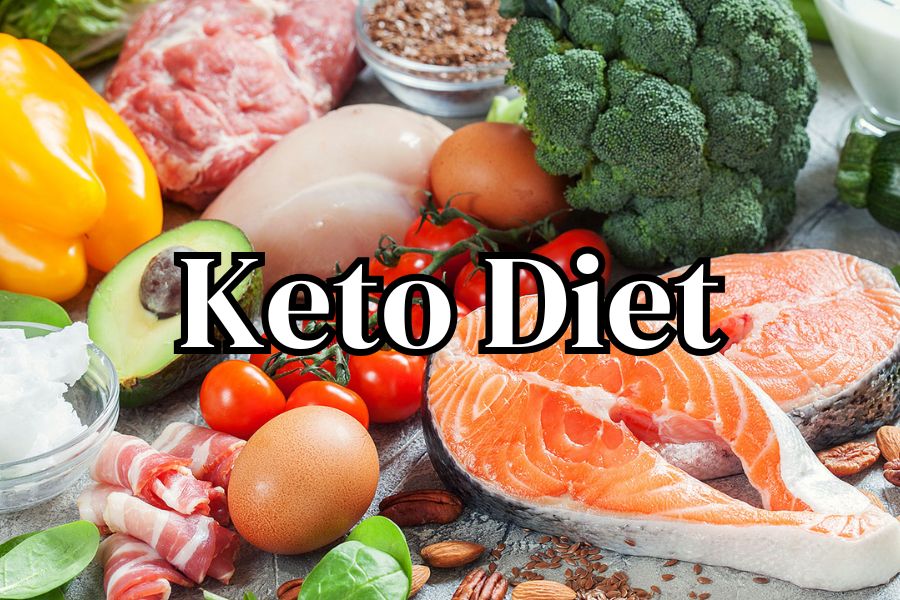
A solid keto grocery list does more than keep you on budget. It helps you stay in ketosis, avoid impulse buys, and plan meals that actually support weight loss and better health.
On a ketogenic diet, you typically eat very few carbohydrates and more fat so your body starts using fat for fuel instead of sugar. This metabolic state is called ketosis and it happens when you keep carbs low enough, usually around 20 to 50 grams of carbs per day, depending on your plan (UC Davis Health, Healthline).
Your keto grocery list should help you:
- Keep net carbs low enough for ketosis
- Hit your daily fat, protein, and carb targets
- Make simple, repeatable meals you do not have to overthink
A little planning before you shop will save you a lot of “can I eat this?” guesswork in the aisle.
Learn the basics of keto macros
Before you put anything in your cart, it helps to know what you are aiming for each day.
Many keto approaches land around:
- 70 to 75% of calories from fat
- 20 to 25% from protein
- About 5% or fewer from carbs
This usually means a cap of about 20 to 50 grams of net carbs a day, depending on the style of keto you follow (Perfect Keto, Kevin’s Natural Foods).
What “net carbs” really means
When you look at nutrition labels, you will see “Total Carbohydrate.” Keto focuses on net carbs, which are the carbs your body can turn into glucose.
The usual formula is:
Net carbs = Total carbs − fiber − sugar alcohols
Some people, especially if you have diabetes, use a more cautious formula and subtract only half the sugar alcohols to better manage blood sugar and insulin response (Perfect Keto).
Knowing this number keeps your keto grocery list accurate instead of just guessing which foods are “low carb enough.”
Choose your keto vegetables wisely
Vegetables are where many new keto shoppers get tripped up. Not all veggies are equal when it comes to carbs.
Above ground vs below ground vegetables
A simple rule helps:
-
Above ground vegetables
Usually lower in net carbs and better for your keto grocery list. Most have under 5 grams of net carbs per 100 grams (Diet Doctor). -
Below ground vegetables
Tend to be higher in carbs, often 6 to 19 grams of net carbs per 100 grams, so you usually eat these sparingly or skip them on strict keto (Diet Doctor).
Keto friendly vegetables to add freely
These are strong everyday choices for salads, sides, and quick meals. All are roughly under 5 grams net carbs per 100 grams (Diet Doctor, Healthline):
- Spinach and other leafy greens
- Kale
- Lettuce (romaine, butter, leaf lettuce)
- Zucchini and other summer squash
- Cucumbers
- Cabbage
- Asparagus
- Broccoli
- Cauliflower
- Peppers (especially green)
- Spaghetti squash (as a pasta stand in)
- Avocados
- Olives
Avocados and olives are especially helpful because they include healthy fats along with fiber.
Vegetables to limit or avoid
For a strict keto grocery list that stays under about 20 grams of carbs per day, it usually works best to avoid or tightly limit:
- Potatoes and sweet potatoes
- Carrots and parsnips
- Beets
- Most root vegetables in large portions
- Corn
- Peas
- Beans and lentils
- Quinoa
These are higher in carbs and can use up your daily allowance quickly (Diet Doctor, UC Davis Health).
What about onions?
Onions grow below ground and are higher in carbs, but you usually use small amounts for flavor. You can:
- Use regular onions in modest amounts as a seasoning
- Try green onions or scallions for a lighter option
Both can fit into your keto grocery list when you keep portions small (Diet Doctor).
Stock protein that keeps you full
Protein on keto supports muscle, keeps you full, and makes your meals satisfying. Most plain animal proteins are naturally low in carbs or carb free.
Meat and poultry
Meat and poultry contain essentially zero carbs, which makes them simple additions to your keto grocery list (Healthline, Perfect Keto).
Good options include:
- Grass fed beef (ground beef, steaks, roasts)
- Pork (chops, roasts, bacon)
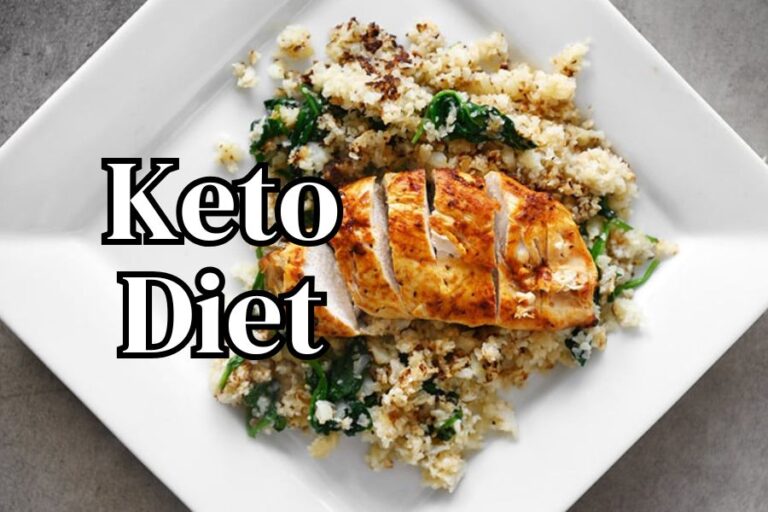
- Chicken thighs and drumsticks
- Turkey
- Lamb
Lean cuts of red meat can also be part of a healthy pattern and may support healthy aging when eaten in balance (Perfect Keto).
Seafood and fish
Seafood is usually very low in carbs and brings helpful nutrients like vitamin D and omega 3 fats.
Add items like (Healthline, Perfect Keto):
- Salmon and other fatty fish
- Tuna
- Sardines and mackerel
- Shrimp and shellfish
The main detail to watch is preparation. Choose baked, grilled, or pan seared options instead of breaded or battered ones that add carbs (Perfect Keto).
Eggs
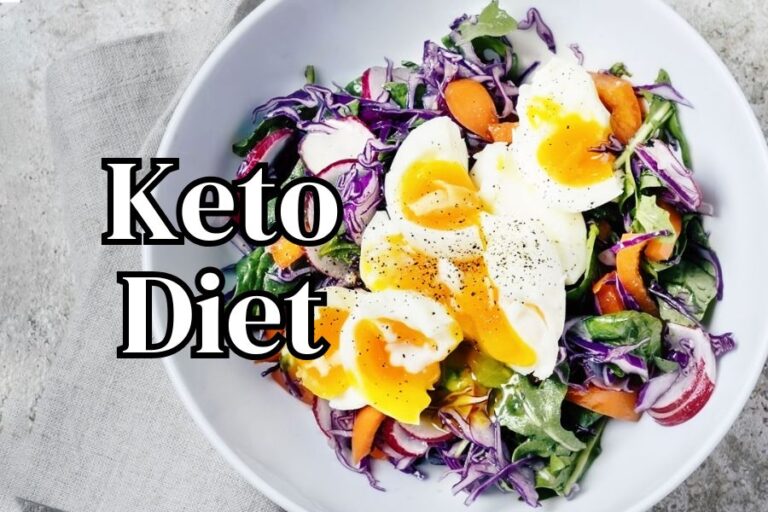
Eggs are one of the most flexible keto proteins. A large egg has less than 1 gram of carbs and about 6 grams of protein, which helps preserve muscle and keep you satisfied (Healthline).
On your keto grocery list, eggs can become:
- Breakfast scrambles and omelets
- Egg muffins with veggies
- Hard boiled eggs for snacks or salads
Add fats that support ketosis
Fat is your main energy source on keto. The right fats make food more filling and help you comfortably reach your macro targets.
Cooking fats and oils
Focus on fats that are naturally low in carbs and work well for different cooking methods, including (Healthline, Kevin’s Natural Foods):
- Extra virgin olive oil
- Avocado oil
- Coconut oil
- Butter
- Ghee
- Lard or tallow for high heat cooking
These are all carb free and supply helpful fats, including monounsaturated fats and antioxidants that support heart health (Healthline).
Fats for flavor and satiety
To make vegetables more satisfying and help maintain ketosis, you can add (Diet Doctor):
- Butter or ghee on cooked greens
- Olive oil drizzled over salads
- Cream cheese, sour cream, or other high fat dips with raw veggies
If you are already comfortably in ketosis, you usually do not need to add unlimited amounts of fat. The goal is enough to feel satisfied without overeating.
Choose dairy and dairy alternatives
Dairy on keto is about balance. Many options are low in carbs, but it is easy to overdo them if you do not measure.
Keto friendly dairy
Look for full fat versions and watch for added sugars in flavored products. In general, your keto grocery list can include (Healthline):
- Hard cheeses like cheddar
- Soft cheeses in moderation
- Heavy cream or half and half
- Plain Greek yogurt
- Plain cottage cheese
Cheese is naturally low in carbs, while Greek yogurt and cottage cheese work best in modest portions.
Dairy free milk alternatives
Unsweetened plant milks are useful for coffee, smoothies, and cooking. Good choices are (Healthline):
- Unsweetened almond milk
- Unsweetened coconut milk
- Unsweetened soy milk
Always check the label, since some plant milks include added sugars that quickly raise the carb count.
Pick low sugar fruits and nuts
Many fruits are high in natural sugars and can push you over your daily net carb limit. On keto you usually choose fruits deliberately and keep portions small.
Fruits that fit on keto
The most reliable fruit for a keto grocery list is the avocado, which is high in healthy fats and fiber with relatively few net carbs (Kevin’s Natural Foods).
You can also enjoy small servings of:
- Raspberries
- Blackberries
- Strawberries
- Lemons (mostly as flavoring in water or recipes)
These are lower in sugar than many fruits and can fit in when you account for the carbs (Kevin’s Natural Foods, UC Davis Health).
Nuts and seeds
While specific nuts and seeds are not detailed in the research you have here, many keto grocery lists typically use them in modest amounts for texture and fats. Since carb counts vary, it is a good habit to check labels and measure portions.
Plan pantry staples and baking items
A well stocked pantry makes it easier to stay on track, especially when you want something bread like or slightly sweet.
Baking substitutes
Almond flour is a common low carb stand in for regular flour that you can use in breads, pancakes, and crusts. It shows up often in keto recipes and fits nicely on your keto grocery list (Kevin’s Natural Foods).
Sweeteners
To add sweetness without traditional sugar, look for keto friendly sweeteners such as (Kevin’s Natural Foods):
- Stevia
- Monk fruit
- Erythritol
These are used in many packaged keto snacks as well. Always review ingredient lists to stay aware of any additives you want to avoid (Perfect Keto).
Dark chocolate
Dark chocolate with little or no sugar can also earn a place in your pantry. Many keto shopping guides suggest sugar free or very low sugar options as occasional treats (Kevin’s Natural Foods).
Add convenient keto snacks
Convenient snacks help you stick to your keto grocery list when you are busy, traveling, or just not in the mood to cook.
Whole Foods Market, for example, highlights a variety of keto friendly snacks, which can give you ideas for what to look for anywhere you shop (Whole Foods Market).
Examples of store bought keto snacks
Some options you might see on shelves include (Whole Foods Market):
- In house cut vegetables to pair with cream cheese or other dips
- Grain free, low carb keto breads, like Base Culture Original Keto Bread
- Keto snack bars such as Dang Bars or Bulletproof Bars, often sweetened with stevia
- EPIC Provisions Pork Rinds as a crispy, high protein option
- Lily’s chocolate sweetened with stevia
- Fat Snax zero sugar cookies for a dessert style snack
- Birch Benders Keto Pancake and Waffle Mix that usually only requires water
You do not need these specific brands, but looking at their ingredients and macros is a helpful guide for what to look for in your own store.
Learn to read labels for keto
Even with the best planned keto grocery list, it takes a minute to learn how to scan labels so you know what you are actually buying.
Step 1: Check total and net carbs
Look at the nutrition facts label and find:
- Serving size
- Total carbohydrates
- Fiber
- Sugar alcohols, if any
Use the net carb formula that fits your situation, then decide if that food belongs in your cart given your daily carb target (Perfect Keto).
Step 2: Review the fat profile
For keto, you want to prioritize:
- Enough total fat to meet your macro goals
- Healthy fats such as monounsaturated and some polyunsaturated fats
Try to minimize artificial trans fats, which are linked to heart disease and other health issues (Perfect Keto).
Step 3: Look at the ingredient list
The ingredient list shows you what is really in your food. On keto, this step helps you avoid:
- Added sugars that do not stand out in the nutrition panel
- Highly processed additives you may not want
- Products that look low carb on paper but rely on ingredients you prefer to limit
This is how you avoid “dirty keto” products that technically fit your macros but are not aligned with your health goals (Perfect Keto).
Build your keto grocery list by section
To make shopping simple, you can structure your list around store sections. Use this as a template and adjust amounts to your household and meal plan.
Produce
- Spinach, kale, and other leafy greens
- Lettuce (romaine or mixed greens)
- Broccoli and cauliflower
- Zucchini and summer squash
- Cucumbers
- Cabbage
- Asparagus
- Peppers
- Avocados
- Olives
- Green onions or scallions
- Small portions of berries if they fit your macros
Meat, seafood, and eggs
- Ground beef and steaks
- Pork chops, roasts, or bacon
- Chicken thighs or whole chicken
- Turkey cuts you like
- Salmon and other fatty fish
- Shrimp or other shellfish
- Eggs, ideally a full carton or more
Dairy and alternatives
- Cheddar or other hard cheeses
- Cream cheese or spreadable cheese
- Sour cream
- Heavy cream or half and half
- Plain Greek yogurt
- Plain cottage cheese
- Unsweetened almond, coconut, or soy milk
Fats and oils
- Extra virgin olive oil
- Avocado oil
- Coconut oil
- Butter
- Ghee
- Lard or tallow if you cook at high temperatures
Pantry and baking
- Almond flour
- Keto friendly sweeteners such as stevia, monk fruit, or erythritol
- Sugar free or low sugar dark chocolate
- Seasonings like salt, pepper, garlic powder, herbs, and spices
Snacks and convenience foods
- Pre cut vegetables
- Pork rinds without added sugar
- Low carb keto bread or wraps
- Keto friendly bars that list ingredients you recognize
- Mixes like keto pancake or waffle blends, if they fit your goals
You can print this and circle the items that make sense for your week, or copy it into your phone and adjust as you experiment.
Stay safe and support your health on keto
A powerful keto grocery list is only part of the picture. To protect your health while you use keto for weight loss or other goals, it helps to keep a few safety notes in mind.
- Check in with your doctor before starting. UC Davis Health recommends a blood test before you begin keto to check your lipid levels, and then again after three to six months. Some people see improvements in HDL and triglycerides, while others can experience a rise in LDL cholesterol (UC Davis Health).
- Plan for electrolytes. People on keto often lose more salt and sodium than usual and may need to slightly increase salt intake within medical guidance (UC Davis Health).
- Consider a multivitamin. Since strict keto can limit certain food groups, a daily multivitamin with minerals is often recommended to help cover nutritional gaps (UC Davis Health).
Your grocery list supports all of this by keeping your meals simple, nutrient aware, and easier to maintain week after week.
Put your keto grocery list into action
You do not have to perfect everything at once. To get started, you might:
- Pick your carb limit, for example 20 or 30 grams of net carbs a day.
- Use the sections above to draft a basic keto grocery list on paper or in your notes app.
- Choose 3 to 5 easy meals you can repeat, such as omelets, big salads, and sheet pan dinners.
- Shop with your list and skip aisles that are mostly breads, sweets, and high carb snacks.
Over time, you will learn which foods you rely on most and which ones you can skip. Your keto grocery list will shift from something you check every few minutes into a simple routine that quietly supports your weight loss and health goals.
About the Author