Feeling on edge can make even simple tasks feel overwhelming. If you are wondering how to calm anxiety naturally without relying only on medication, small daily shifts can help your mind and body settle. The ideas below focus on practical habits you can start right away, backed by research and simple enough to fit into a busy day.
Understand what your anxiety is telling you
Before you try to fix anxiety, it helps to understand what is happening in your body and mind.
When you feel anxious, your nervous system goes into a kind of alert mode. Your heart may race, your breathing can turn shallow, and your thoughts often jump to worst-case scenarios. These reactions are meant to protect you, but when they stay switched on for too long, they become exhausting.
Natural strategies for calming anxiety work by:
- Giving your body a clear signal that it is safe
- Redirecting your attention away from spiraling thoughts
- Gently strengthening your ability to return to a calmer baseline
You do not have to use every tool at once. Start with one or two that feel doable and build from there.
Use your breath to reset your body
Breathing exercises are one of the fastest ways to calm anxiety naturally. They work directly with your nervous system and can be done almost anywhere.
Try a simple calming breath
A few minutes of slow, steady breathing can reduce stress hormones, lower heart rate, and relax tense muscles, which helps ease anxiety symptoms (Dignity Health).
You can use this basic pattern when you feel keyed up:
- Sit, stand, or lie down in a comfortable position. The NHS recommends having your back supported if possible and placing your feet flat on the floor if you are sitting or standing (NHS).
- Loosen tight clothing around your chest or waist so breathing feels easy (NHS).
- Breathe in through your nose for a slow count of 4.
- Let your belly rise instead of lifting your chest.
- Exhale gently through your mouth for a count of 6 or 8.
- Repeat for 3 to 5 minutes.
Lengthening your exhale helps activate your parasympathetic nervous system, which supports your body in relaxing and calming down (Healthline).
Practice diaphragmatic breathing
Diaphragmatic, or belly, breathing can lower the amount of work your body does to breathe and may decrease anxiety when practiced regularly (Healthline).
You can try it like this:
- Lie on your back or sit comfortably.
- Place one hand on your chest and the other on your belly.
- Breathe in through your nose, letting your belly rise under your hand while your chest stays mostly still.
- Exhale slowly through your mouth and feel your belly fall.
- Continue for 5 to 10 minutes, 3 to 4 times a day if possible.
The more consistently you practice, the more natural this calmer breathing style becomes.
Make breathing a daily habit
Calming breathing exercises can be used any time you feel stressed, but they are even more effective when you practice them regularly as part of your routine (NHS). A few minutes in the morning, before bed, or during breaks can train your body to shift out of high alert more quickly.
Move your body to lift your mood
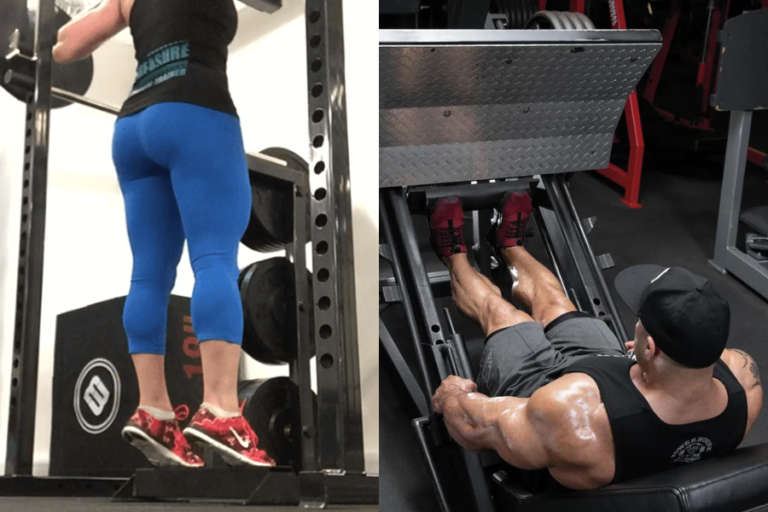
Exercise is one of the most reliable natural ways to ease anxiety. Even gentle movement counts.
Physical activity helps by:
- Triggering the release of endorphins, your body’s natural feel-good chemicals
- Taking your mind off worries, at least for a little while
- Helping you sleep better at night
Research shows that exercise can improve mood and reduce symptoms of anxiety by shifting your focus and triggering these calming brain chemicals (WebMD).
You do not need intense workouts to benefit. You might try:
- A 10 to 20 minute walk around your block or in a nearby park
- Beginner yoga or stretching videos at home
- Dancing in your living room to a favorite song
- Light strength training with bodyweight or simple weights
When anxiety is high, getting started can feel like the hardest part. Give yourself a very small goal, such as two minutes of movement. If you feel better, keep going. If not, you still showed up for yourself.
Use mindfulness and meditation to steady your thoughts
Meditation and mindfulness are powerful tools when you want to know how to calm anxiety naturally. They help you step back from racing thoughts instead of getting swept away by them.
Why mindfulness helps your anxious mind
Mindfulness means paying attention to the present moment without judgment. It teaches you to notice thoughts as they arise, then gently let them pass instead of treating every worry as a fact.
Research has found that mindfulness meditation can ease psychological stress, including anxiety and depression (Harvard Health Publishing). In one review of 47 clinical trials, mindful meditation helped reduce anxiety, depression, and pain in participants (Harvard Health Publishing).
Dr. Elizabeth Hoge of Massachusetts General Hospital explains that mindfulness teaches you to see worries as just thoughts, not accurate reflections of who you are or what will happen, which can reduce unproductive worrying (Harvard Health Publishing).
Start with a simple breathing meditation
Meditation does not have to be long or complicated to help with anxiety. The Mayo Clinic notes that even a few minutes of meditation can reduce stress and promote calmness, and you can practice it almost anywhere without special equipment (Mayo Clinic).
Here is a beginner-friendly option:
- Sit comfortably with your back supported, hands resting in your lap.
- Close your eyes or lower your gaze.
- Breathe naturally.
- Focus your attention on the feeling of your breath going in and out.
- When your mind wanders, gently notice it and return to your breath without criticism.
- Continue for 2 to 5 minutes to start.
This simple practice helps clear away some of the thoughts that fuel anxiety and supports both emotional and physical well-being (Mayo Clinic).
Explore guided or mindfulness practices
If silence feels uncomfortable at first, guided meditation can be a helpful bridge. Listening to a recording that leads you through relaxation, visualization, or body scanning can interrupt anxiety-inducing thought patterns and help establish new calming habits (Healthline).
Different types of meditation that may help with anxiety include:
- Guided imagery, where you picture soothing scenes in your mind
- Mindfulness meditation, focusing on sensations, thoughts, or breathing without judgment
- Body scan meditation, bringing attention to each part of your body in turn
- Walking meditation, paying attention to the sensation of each step
Mindfulness-based stress reduction programs, developed by Dr. Jon Kabat-Zinn, are now offered in many cities and can be especially helpful if you prefer learning in a group setting (Harvard Health Publishing).
Make mindfulness part of daily life
You do not have to be sitting on a cushion to practice mindfulness. Dignity Health notes that even a couple of minutes of intentional present-moment awareness can lower stress and increase feelings of connection (Dignity Health).
You might try:
- Focusing on the feeling of water on your hands while you wash dishes
- Noticing the sensation of your feet on the ground when you walk to your car
- Taking three mindful breaths before opening email or social media
The more often you bring your attention back to the present, the less power anxious “what if” thoughts tend to have.
Adjust your daily habits to support calm
What and how you eat, drink, and sleep can strongly influence your anxiety levels. Small changes in your routine can give your nervous system more stability.
Balance your blood sugar
Sharp blood sugar swings can leave you feeling jittery, irritable, and more prone to anxious feelings, even if you do not have diabetes. Dignity Health suggests eating three meals and two snacks each day, with an emphasis on:
- High-fiber foods
- Fruits and vegetables
- Nuts and seeds
- Lean meats or plant-based proteins
- Low-fat dairy, if you tolerate it (Dignity Health)
Building balanced, regular meals can help keep your energy and mood more even.
Cut back on stimulants
Caffeine, nicotine, and some drugs and medications act as stimulants. For many people with anxiety, these substances can aggravate symptoms and make it harder to feel calm (Dignity Health).
You might experiment with:
- Swapping one cup of coffee or energy drink for water or herbal tea
- Noticing how you feel on days with less caffeine
- Talking to your doctor or pharmacist about any medications that may be stimulating
If you decide to reduce caffeine or nicotine, cutting back gradually is often easier on your body than stopping all at once.
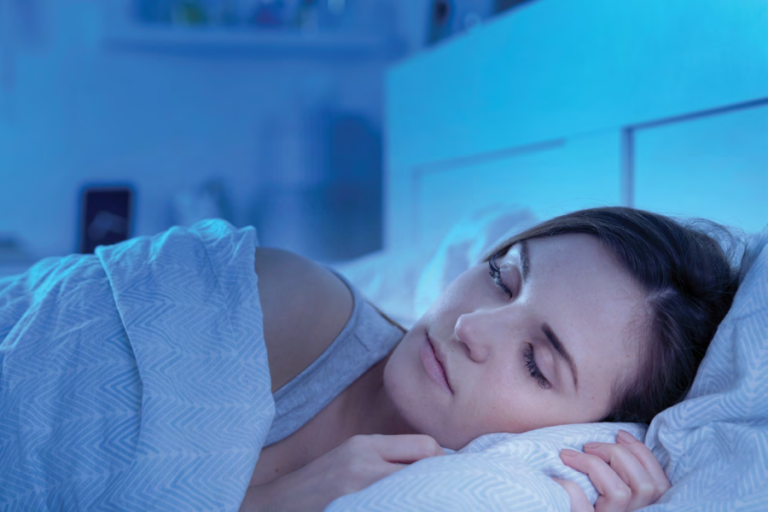
Prioritize sleep as part of anxiety care
Poor or inadequate sleep can trigger or worsen anxiety, which then makes it harder to sleep, creating a tough cycle. Dignity Health recommends talking with a medical professional if sleep problems are ongoing, especially when they add to your anxiety (Dignity Health).
You can support better rest by:
- Keeping a consistent bedtime and wake time, even on weekends
- Limiting screens for 30 to 60 minutes before bed
- Using a short, calming routine such as light stretching or deep breathing
- Keeping your bedroom cool, dark, and quiet as much as possible
Even a small improvement in sleep quality can make daytime anxiety easier to manage.
Consider herbal and natural remedies with care
If you are exploring how to calm anxiety naturally, you might be curious about herbs and supplements. Some have shown promise in studies, but they are not risk-free, so it is important to approach them thoughtfully.
What research says about herbal remedies
Several herbs and plant-based substances have been studied for anxiety relief:
- Chamomile may help relax and calm people with generalized anxiety disorder. Some studies suggest that daily doses can reduce the severity of anxiety symptoms, although more research is still needed (WebMD). A 2016 clinical trial using 1,500 mg per day over 26 weeks found reduced relapse severity in people with generalized anxiety disorder (Medical News Today).
- Ashwagandha, an adaptogen from traditional Indian medicine, may lower cortisol and help reduce perceived stress and anxiety. In one 8 week study, 600 mg per day improved sleep quality and significantly reduced stress levels in people who reported high stress (Medical News Today).
- Valerian root is often used for sleep and relaxation. It may work by affecting GABA receptors in the brain, but evidence for anxiety relief and long-term safety is still limited (Medical News Today).
- Lavender essential oil contains compounds like linalool that appear to have calming effects on the brain. A 2017 review suggested lavender oil may be an effective short-term treatment for some anxiety disorders, though long-term effects are not clear yet (Medical News Today).
- Kava kava has been studied for anxiety reduction, but there have been reports of severe liver damage associated with some kava products, so medical guidance is strongly advised before considering it (Medical News Today).
Some people also use chamomile, aromatherapy, or other herbal remedies as part of their routine. WebMD notes that though some studies are encouraging, overall research on herbal supplements for anxiety remains limited, so more evidence is needed before clear conclusions can be made (WebMD).
Stay aware of supplement safety
Herbal products may feel “natural,” but that does not automatically mean they are safe for everyone.
According to Mayo Clinic:
- Herbal remedies for anxiety have been studied, but more research is needed to fully understand both their benefits and their risks (Mayo Clinic).
- The U.S. Food and Drug Administration does not regulate herbal supplements as strictly as medications, so quality and safety can vary between brands (Mayo Clinic).
- Some supplements can interact with medications you already take, which can sometimes cause serious side effects.
- Certain herbs can cause drowsiness and may not be safe if you need to drive or operate equipment. They can also increase the sedative effects of other medicines (Mayo Clinic).
Because of these concerns, Mayo Clinic strongly recommends talking to your doctor before starting any herbal supplement for anxiety, especially if you already take prescription or over-the-counter medications (Mayo Clinic).
Try aromatherapy as a gentle option
If you are not ready to try ingestible supplements, aromatherapy can be a milder experiment. Inhaling certain essential oils may promote relaxation and lower anxiety for some people.
WebMD notes that aromatherapy using essential oils can boost mood and reduce anxiety through diffusion, inhalation, or topical application on pulse points (WebMD).
If you are curious, you could:
- Use a diffuser in your bedroom or living room
- Add a few drops of essential oil to a bowl of hot water and inhale the steam with eyes closed
- Dilute a drop or two in a carrier oil and apply it to your wrists or neck, testing a small area first for skin sensitivity
As with any product, it is wise to check for allergies and follow usage instructions carefully.
Combine natural tools with professional support
Using natural methods to calm anxiety does not mean you have to handle everything alone. In many cases, the most effective approach combines daily self-care with professional guidance.
Mayo Clinic points out that alongside or instead of herbal treatments, other natural ways to manage anxiety include stress management techniques, physical activity, and cognitive behavioral therapy, which can significantly reduce symptoms for many people (Mayo Clinic).
You might consider reaching out for help if:
- Anxiety makes it hard to work, study, or maintain relationships
- You often feel out of control with worry or panic
- Lifestyle changes help only a little or not at all
- You are unsure whether your symptoms might be related to another health issue
A therapist, doctor, or other mental health professional can help you sort through options such as talk therapy, group programs, medication, or a mix of approaches tailored to you.
Put it all together in a simple plan
Trying to change everything at once can make anxiety feel worse, not better. Instead, you can create a small, realistic plan that fits your life.
Here is one example of how you might start:
- Morning: 3 minutes of belly breathing before checking your phone.
- Daytime: A short walk or gentle stretching break. Notice your footsteps or breathing as a mindfulness practice.
- Afternoon: Swap one caffeinated drink for water or herbal tea.
- Evening: 5 minutes of guided meditation before bed plus a short screen break.
- Weekly: One therapy session, group class, or check-in with a trusted person about how you are doing.
Over time, you can adjust your plan based on what feels most calming and sustainable.
Key takeaways
If you are looking for how to calm anxiety naturally, you have several research-supported tools available:
- Slow, intentional breathing can signal safety to your nervous system and reduce physical anxiety symptoms.
- Regular movement and exercise help release feel-good chemicals and distract from worry.
- Mindfulness and meditation teach you to see anxious thoughts as just thoughts and reduce their grip.
- Daily habits around food, stimulants, and sleep can either fuel or ease anxiety.
- Some herbal and natural remedies show promise, but they come with risks, so medical guidance is important.
- Professional support, including therapy and structured programs, can work alongside natural strategies for stronger, longer-lasting relief.
You do not need to tackle everything at once. Pick one small practice that feels manageable today, try it, and notice how your mind and body respond. Then keep building from there at your own pace.
About the Author