A heart healthy eating plan does not have to be complicated or restrictive. The DASH diet for blood pressure control focuses on everyday foods you already recognize, and small shifts in how you build your plate. You get structure without feeling like you are on a “diet,” which makes it easier to stick with over time.
Below, you will see how DASH works, why it helps lower blood pressure, and how you can start using it today to support weight loss and better health.
What the DASH diet is (and is not)
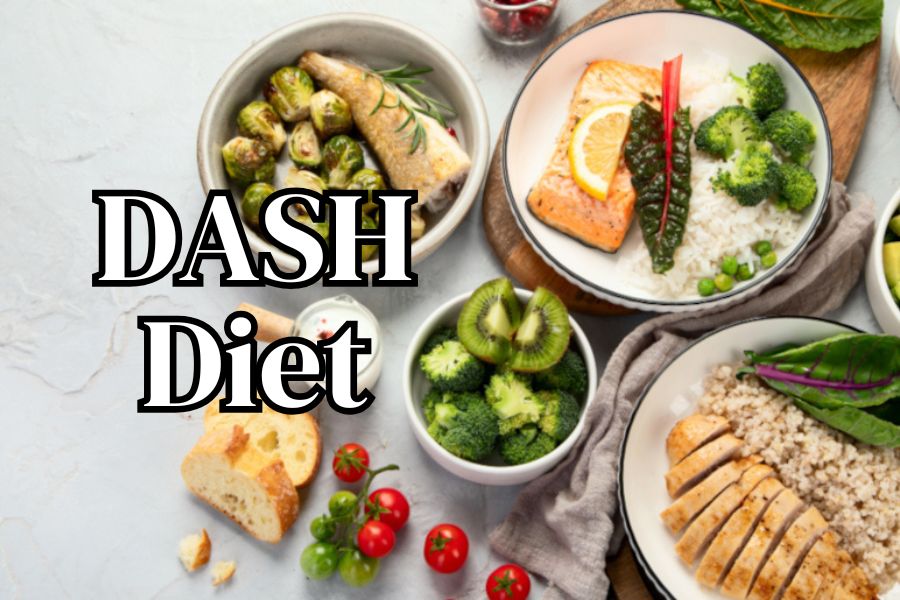
DASH stands for Dietary Approaches to Stop Hypertension. It was specifically designed to help prevent and treat high blood pressure by lowering salt intake and boosting nutrients that support healthy blood vessels. According to the Mayo Clinic, DASH emphasizes vegetables, fruits, and whole grains, along with lean protein and low fat dairy, while limiting saturated fat and sodium intake (Mayo Clinic).
You do not need special products or “DASH branded” foods. The National Heart, Lung, and Blood Institute (NHLBI) notes that the plan uses regular grocery store foods and provides daily and weekly goals based on a 2,000 calorie a day pattern (NHLBI).
In practice, your meals center around:
- Lots of vegetables and fruits
- Whole grains such as oats, brown rice, and whole wheat bread
- Fat free or low fat dairy
- Lean meats, fish, and poultry
- Beans, lentils, and nuts
- Limited sweets, sugar sweetened drinks, and high fat snacks
You are not cutting out entire food groups. Instead, you are shifting the balance of what goes on your plate.
How DASH helps lower blood pressure
High blood pressure is influenced by several things, including how much sodium you eat and how much potassium, calcium, magnesium, and fiber you get each day. The DASH diet for blood pressure targets all of these at once so you can see meaningful changes.
Less sodium, gentler pressure on arteries
Sodium pulls water into your bloodstream. The more sodium, the more fluid your body holds, which raises blood pressure. The standard DASH plan keeps sodium under 2,300 milligrams per day, which is about one teaspoon of table salt (Mayo Clinic).
There is also a lower sodium version of DASH that limits you to 1,500 milligrams per day. NHLBI reports that people who follow the 1,500 milligram version lower blood pressure even further than those who stay at 2,300 milligrams (NHLBI).
You do not have to hit the lowest target on Day 1. You can start by cutting back on obvious sources of salt like fast food, canned soups, and salty snacks, then work your way down as you adjust.
More potassium, calcium, and magnesium
DASH is naturally rich in potassium, calcium, magnesium, protein, and fiber, all of which help lower blood pressure (Mayo Clinic). These nutrients help your blood vessels relax and counter some of the effects of sodium.
You get them from foods such as:
- Potassium from bananas, potatoes, beans, and leafy greens
- Calcium from low fat yogurt and milk
- Magnesium from whole grains, nuts, and seeds
Because these nutrients come from whole foods instead of supplements, you are supporting your overall health at the same time.
Less saturated fat, better heart health
DASH specifically limits foods high in saturated fat such as fatty meats and full fat dairy products (Mayo Clinic). Swapping these for lean proteins and healthy fats can help lower LDL (“bad”) cholesterol, another major risk factor for heart disease (Mayo Clinic).
Over time, that combination of lower blood pressure and better cholesterol gives your arteries a break, reduces strain on your heart, and may lower your risk of heart attack and stroke.
Benefits you will notice in daily life
The science behind DASH is strong. The plan was developed with support from the NIH and was named “Best Heart Healthy Diet” and “Best Diet for High Blood Pressure” in 2025, which speaks to its effectiveness for blood pressure management (NHLBI). But you also care about how you feel day to day.
Here are changes you may notice as you follow DASH.
Steadier energy and fewer crashes
Meals built around vegetables, fruits, whole grains, and lean protein are naturally high in fiber and protein. This combination slows digestion and can help keep your blood sugar and energy more stable between meals.
Instead of a quick spike and crash after a sugary snack, you are more likely to feel satisfied and clear headed for several hours.
Gradual weight loss without counting every bite
DASH is not branded as a “weight loss diet,” yet many people do lose weight on it. When you crowd your plate with high fiber, low calorie foods like vegetables, fruit, and broth based soups, you tend to feel full on fewer calories.
Because the plan also encourages you to limit sweets, sugar sweetened drinks, and high fat snacks, you naturally cut many calorie dense foods that do little for your hunger. That shift can support a slow, sustainable drop in weight, which further helps your blood pressure.
Less bloating from water retention
If you are used to eating a lot of salty packaged foods, you may notice that your rings and shoes feel looser after a few weeks on DASH. Cutting back on sodium helps you shed excess water your body was holding on to.
The goal is not to lose “water weight” as a crash strategy. Instead, you are reducing unnecessary fluid retention that made you feel puffy, sluggish, or uncomfortable.
What a typical DASH day can look like
DASH provides serving ranges, not rigid meal plans, so you can mix and match foods you enjoy. The Mayo Clinic and NHLBI both base their examples on a 2,000 calorie day, which you can adjust up or down depending on your needs (Mayo Clinic, NHLBI).
Here is a simple example day:
- Breakfast: Oatmeal cooked with low fat milk, topped with berries and a sprinkle of nuts
- Snack: A banana and a small yogurt
- Lunch: Large salad with mixed greens, chickpeas, grilled chicken, assorted vegetables, olive oil and vinegar dressing, and a slice of whole wheat bread
- Snack: Carrot sticks with hummus
- Dinner: Baked salmon, brown rice, steamed broccoli, and a small side of fruit
- Treat: A small square of dark chocolate or a homemade fruit parfait
The exact foods can change, but the pattern stays the same. Half your plate is vegetables and fruit, a quarter is whole grains, and a quarter is lean protein, with small amounts of healthy fats.
Think of DASH as a flexible template. Once you understand the basic building blocks, you can plug in your favorite flavors and cuisines.
How to ease into DASH without feeling overwhelmed
If your current eating style looks very different from the DASH diet for blood pressure, you do not have to switch everything at once. Small, consistent changes are more likely to stick.
Start with one or two daily habits
You might begin by:
- Adding a serving of vegetables at lunch and dinner
- Swapping white bread or pasta for whole grain versions a few days a week
- Choosing fruit instead of a sugary dessert once a day
These tweaks increase your fiber and nutrient intake without asking you to redesign your entire routine.
Gradually tame your sodium intake
Instead of tracking every milligram of sodium right away, focus on a few high impact steps:
- Cook more at home so you can control the salt
- Rinse canned beans and vegetables before using them
- Choose “low sodium” or “no salt added” versions when they are available
- Taste your food before salting and use herbs, citrus, garlic, and spices for flavor
As this becomes normal, you can start reading labels and aiming closer to the 1,500 to 2,300 milligram range suggested by the DASH guidelines (Mayo Clinic).
Pay attention to what you drink
Sugary drinks and alcohol add calories and can influence blood pressure. The DASH framework encourages you to limit sweets overall, and the Mayo Clinic suggests keeping alcohol to no more than two drinks per day for men and one or less for women because excessive drinking can raise blood pressure (Mayo Clinic).
You do not have to give up your favorite beverages, but cutting portion sizes or frequency can make a meaningful difference.
When to talk with your healthcare provider
DASH is considered safe and flexible for most people, and it uses common foods found in regular grocery stores and restaurants (Mayo Clinic). Still, it is wise to loop in your healthcare provider if:
- You are on blood pressure or heart medications
- You have kidney disease or another condition that affects how your body handles potassium or fluids
- You are making large changes to your sodium intake very quickly
Your provider can help you adjust medications if your blood pressure improves, and they can guide you on any specific limitations you might need.
Key takeaways
- The DASH diet for blood pressure focuses on vegetables, fruits, whole grains, lean proteins, low fat dairy, and limited sodium, saturated fat, and added sugars.
- It is designed to lower blood pressure and can also help improve cholesterol, support gradual weight loss, and reduce bloating from excess fluid.
- You do not need special foods. The plan uses everyday ingredients and offers serving ranges you can adapt to your tastes and calorie needs.
- Starting with a few small changes, such as adding produce and cutting back on salty processed foods, can help you ease into the DASH pattern without feeling restricted.
If you choose one DASH inspired change to try this week, make it something simple and specific, such as adding a serving of vegetables to lunch every day. Over time, those small steps can add up to real gains for your heart and your health.
About the Author