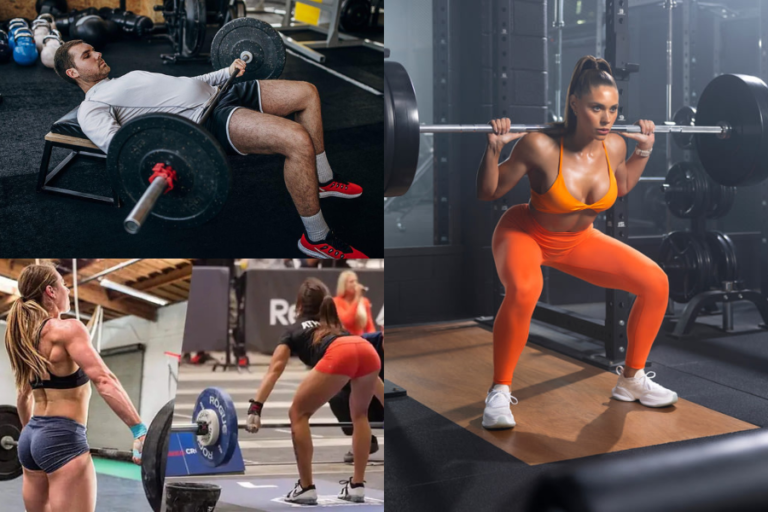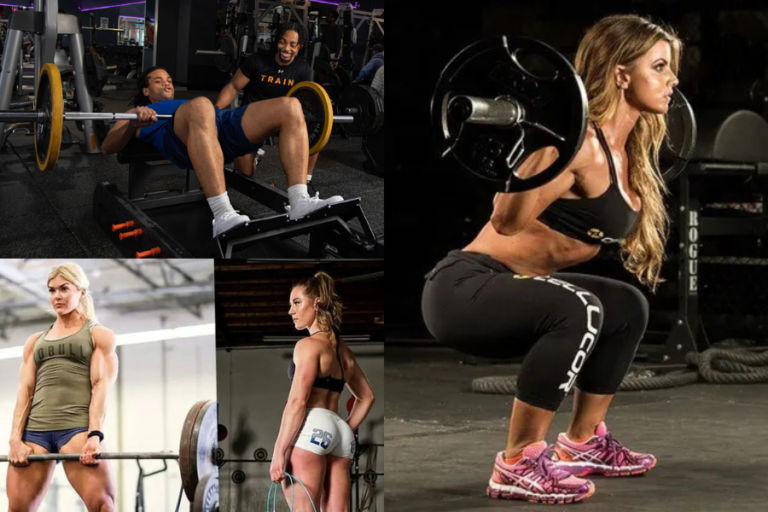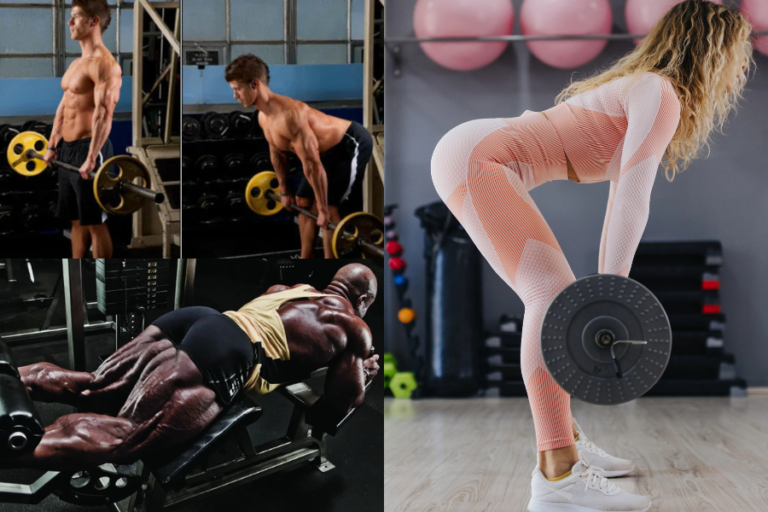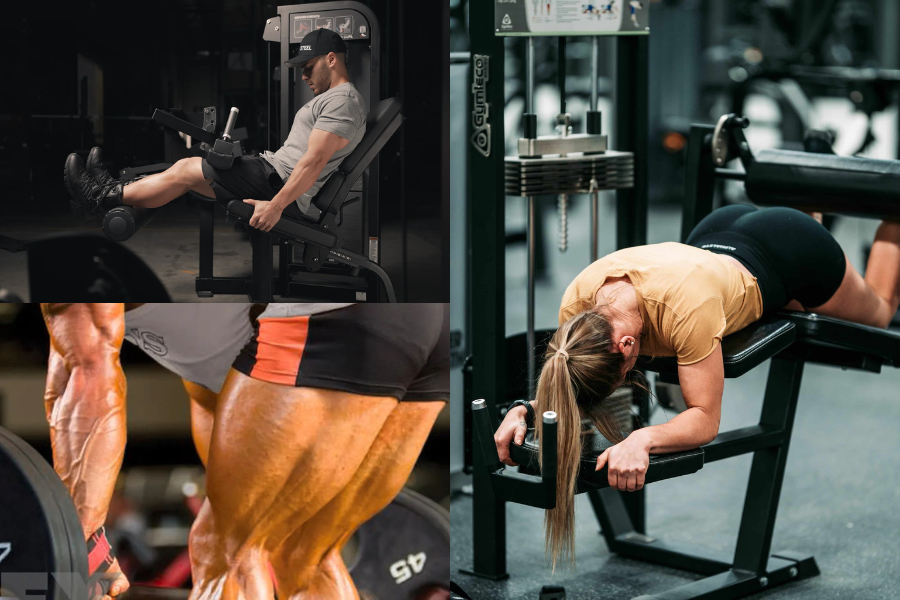
A strong pair of hamstrings keeps your knees happy, your hips stable, and your stride powerful. The right hamstring exercises can help you move better, avoid pulled muscles, and feel more confident in everyday activities like climbing stairs or picking up a heavy box.
Below, you will find hamstring exercises you can do at the gym or at home, plus tips on how to put them together into a simple routine.
Understand what your hamstrings do
Your hamstrings are a group of three muscles on the back of each thigh that run from your hip to just below your knee. They help you straighten your hip and bend your knee, which means they play a big role in walking, running, squatting, and even how your pelvis tilts.
Peloton instructor Matty Maggiacomo explains that hamstrings control both hip extension and knee flexion, and they are involved every time you walk, run, or squat. Weak or tight hamstrings can change how you move and can also contribute to back and knee pain if other muscles have to pick up the slack.
If you sit a lot, your hip flexors can get tight and your hamstrings can stay elongated and underused. This combination often leads to pulled hamstrings, poor movement patterns, and achy lower backs. Strengthening and stretching your hamstrings helps break this cycle.
Why hamstring exercises matter
You might feel your quads more than your hamstrings during most workouts. That is normal, but it can create a muscle imbalance. When your quads dominate and your hamstrings lag behind, you are more likely to feel knee discomfort and you may be at higher risk for a hamstring strain.
Hamstring exercises help you:
- Balance strength between the front and back of your legs
- Support your knees when you run, jump, or squat
- Keep your pelvis more stable, which is important for your lower back
- Make everyday tasks like bending, gardening, or playing with kids feel easier
Physical therapists at Hinge Health note that strong hamstrings reduce injury risk and help you maintain better overall function as you age. Hamstring workouts that include both open-chain exercises, where your foot is off the ground, and closed-chain exercises, where your foot is planted, build strength, flexibility, and control.
Beginner hamstring exercises
If you are just getting started or you are coming back from a minor injury, begin with gentle hamstring exercises that wake up the muscles without overloading them. Focus on feeling the back of your thigh engage instead of just going through the motions.
Seated hamstring squeeze
This is a simple way to reconnect with your hamstrings, especially if you have knee sensitivity.
- Sit upright in a chair with your feet flat on the floor and knees bent about 90 degrees.
- Press your heels lightly into the floor as if you are trying to drag them backward without actually moving your feet.
- Hold the squeeze for 5 to 10 seconds, then relax.
Aim for 2 to 3 sets of 8 to 10 squeezes. You should feel a mild to moderate contraction at the back of your thigh, not pain in your knee.
Basic hamstring curl
You can do this standing or lying on your stomach.
- Stand holding onto a wall or chair for balance.
- Shift your weight onto one leg.
- Bend the other knee and bring your heel toward your glute.
- Slowly lower your foot back down.
Start with just your body weight and work up to 2 sets of 10 to 15 repetitions per leg. If it feels easy and pain free, you can add a light ankle weight or a resistance band later on.
Intermediate hamstring exercises
Once you can feel your hamstrings working and you move without pain, you are ready for hamstring exercises that add more strength and stability. These are great for home workouts and do not require much equipment.
Glute bridge and variations
Glute bridges hit your hamstrings and glutes at the same time, which is ideal because these muscles work together during most movements.
- Lie on your back with knees bent and feet flat on the floor, hip-width apart.
- Brace your core by gently drawing your ribs toward your hips.
- Press into your heels, squeeze your glutes, and lift your hips until your body forms a straight line from shoulders to knees.
- Pause for 1 or 2 seconds, then lower with control.
Aim for 2 to 3 sets of 10 to 12 reps. To make it harder over time, you can elevate your feet on a step or bench or progress to a single-leg bridge where one foot stays on the floor and the other leg extends straight out.
Physio ball leg curl
If you have access to a stability ball, this exercise challenges your hamstrings, glutes, and lower back all at once.
- Lie on your back with your calves resting on top of the physio ball and your arms on the floor for balance.
- Press your heels into the ball and lift your hips so your body forms a straight line from shoulders to ankles.
- Keeping your hips raised, curl your heels toward your glutes by rolling the ball in.
- Slowly extend your legs to roll the ball back out.
A good starting point is 2 sets of 10 reps. You should feel the back of your thighs and glutes working hard while your core keeps you steady.
Bodyweight Romanian deadlift pattern
Before you pick up any weights, it helps to learn the hip hinge pattern, often used in Romanian deadlifts.
- Stand with your feet hip-width apart and knees slightly bent.
- Place your hands on the front of your hips.
- Push your hips straight back, keeping your back flat and chest open, as if you are closing a car door with your butt.
- Stop when you feel a stretch in your hamstrings, then drive your hips forward to stand up tall.
Practice 2 sets of 8 to 10 slow reps. This movement teaches you to load your hamstrings safely, which prepares you for more advanced hamstring exercises with weights.
Advanced hamstring exercises
If you are comfortable with the previous moves and have access to dumbbells, kettlebells, or machines, you can progress to hamstring exercises that build serious strength and control. These are especially useful if you are a runner or field sport athlete.
Romanian deadlift with weights
The Romanian deadlift, or RDL, is one of the most popular hamstring exercises because it targets your hamstrings, glutes, and back in a single movement.
- Stand tall holding a pair of light dumbbells in front of your thighs, palms facing your legs.
- Soften your knees slightly.
- Hinge at your hips and slide the weights down your thighs, keeping them close to your body, until you feel a strong stretch in your hamstrings.
- Keep your back flat and your neck in line with your spine.
- Drive your feet into the floor, squeeze your glutes, and stand back up.
Start with 2 sets of 8 to 10 reps using light to moderate weights and focus on strict form. An American Council on Exercise study found that Romanian deadlifts are among the top exercises for activating and strengthening the hamstrings in young adults, along with hamstring curls and kettlebell swings.
For even more mobility and strength, you can try eccentric isometric Romanian deadlifts. In this variation, you lower the weights very slowly for 3 to 7 seconds, pause in the stretched position for 2 to 5 seconds, then return to standing. This slow tempo improves control, flexibility, and muscle growth.
Single-leg Romanian deadlift
Single-leg versions add balance and unilateral strength, which means each leg learns to pull its own weight. They are also very effective for runners.
- Stand on your right leg with a soft bend in the knee.
- Hinge at your hip and extend your left leg straight back as your torso leans forward.
- Reach toward the floor or hold a dumbbell or kettlebell in the hand opposite your standing leg.
- Keep your hips level and your back flat.
- Return to standing by driving your right foot into the ground and bringing your left leg forward.
Begin with body weight and aim for 2 sets of 8 to 10 reps per leg. As your balance improves, add light weight. Physical therapists and running coaches often recommend single-leg Romanian deadlifts to strengthen the hamstrings during the stance phase of running and to improve hip control.
Nordic hamstring curl
The Nordic curl is a powerful bodyweight option for hamstring injury prevention because it strengthens your hamstrings as they lengthen. This is the same type of muscle work they do during sprinting.
- Kneel on a padded surface with your body upright.
- Have a partner hold your ankles or anchor your feet under a stable object.
- Keep your hips straight and your core tight.
- Slowly lean your body forward, resisting the fall with your hamstrings for about 5 seconds.
- Catch yourself with your hands, then push lightly off the floor to return to the starting position.
Work up to 3 sets of 5 to 6 repetitions. Research shows that consistent use of Nordic curls can dramatically cut hamstring injury rates in athletes, although they may cause soreness at first.
If full Nordic curls are too challenging, you can use eccentric bridges as an alternative. In these, you lift your hips in a bridge with both feet on a bench or on the floor, then slowly lower on one leg. This still strengthens the hamstrings while they lengthen, with a bit less intensity.
Kettlebell swings and curls
Kettlebell swings load the hip hinge pattern explosively and were identified by the American Council on Exercise as another top hamstring exercise for young adults. Start with a light to moderate kettlebell and focus on driving through your hips rather than lifting with your arms.
Machine or banded hamstring curls, whether seated or lying, let you isolate the hamstrings and add volume without overtaxing your lower back. Seated hamstring curls, in particular, are considered an excellent choice for hamstring development in many strength programs.
Flexibility and recovery for hamstrings
Strength alone is not enough. To keep your hamstrings healthy and reduce the risk of strains, you also need regular stretching and basic recovery habits.
Static stretches, where you hold a position, help improve flexibility over time. Dynamic stretches, where you move in and out of a stretch with control for 60 to 90 seconds, prepare your muscles for activity. Common hamstring stretches include:
- Simple hamstring stretch while sitting or lying with a towel around your foot
- Hurdler stretch with one leg straight and the other bent
- Standing hamstring stretch, either with both legs or one leg propped on a low surface
- Gentle standing forward bend
If you have low back pain or sciatica, be cautious with deep forward bends. Certain positions can aggravate your symptoms. In that case, it is best to work with a healthcare provider or physical therapist before pushing your range of motion.
Foam rolling your hamstrings for 2 sets of about 20 seconds can help ease muscle tightness and provide some of the same benefits as massage. Move slowly along the back of your thigh and stop on tender spots for a brief hold, then continue.
If your hamstring tightness or pain does not improve with stretching and basic strengthening, talk with a healthcare provider or physical therapist so you can get a clear diagnosis and a plan that fits your situation.
Sample hamstring workout plans
To put this all together, choose one of the simple templates below based on your current level. You can do these 2 to 3 times per week, leaving at least one day between sessions.
Beginner
- Seated hamstring squeeze, 2 sets of 8 to 10
- Basic standing hamstring curl, 2 sets of 10 per leg
- Glute bridge, 2 sets of 10 to 12
- Gentle static hamstring stretch, 30 seconds per side
Intermediate
- Bodyweight Romanian deadlift pattern, 2 sets of 10
- Physio ball leg curl, 2 sets of 10
- Elevated glute bridge or single-leg bridge, 2 sets of 8 to 10 per leg
- Foam roll hamstrings, 2 rounds of 20 seconds per leg
Advanced
- Romanian deadlift with weights, 3 sets of 6 to 8
- Single-leg Romanian deadlift, 2 sets of 8 per leg
- Nordic hamstring curl or eccentric bridge, 2 to 3 sets of 5 to 6
- Dynamic hamstring stretch sequence, 60 seconds
As you build stronger, more flexible hamstrings, you should notice smoother movement patterns, fewer twinges during activity, and better control when you bend, twist, and run. Start with one or two hamstring exercises today, move slowly, and let your strength build over time.
About the Author