Understand how keto weight loss works
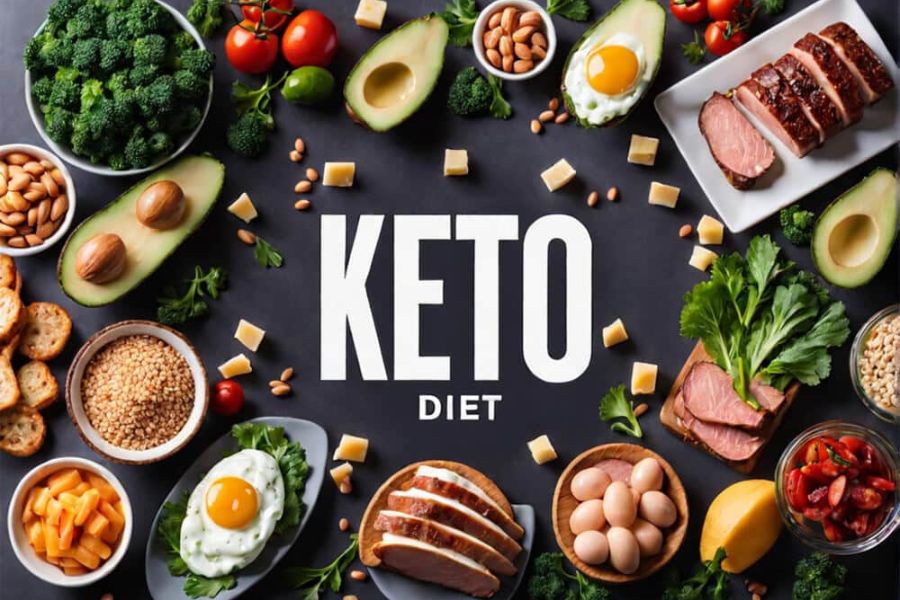
If you are wondering how fast do you lose weight on keto, it helps to understand what is happening in your body. The ketogenic diet shifts your main fuel source from carbohydrates to fat, a state called ketosis.
On a standard ketogenic diet, your typical daily breakdown is:
- About 70% to 80% of calories from fat
- About 10% to 20% from protein
- About 5% to 10% from carbs (Cleveland Clinic)
To reach ketosis, you usually need to keep carbs under about 50 grams per day, often in the 20 to 50 gram range (Cleveland Clinic). For many people, this is much lower than their usual intake, so your body must switch gears.
When carbs drop and glycogen stores empty, you lose a lot of water at first. After that, your body starts relying more on stored fat, which is where ongoing weight loss can come from.
Typical keto weight loss timeline
There is no single answer to how fast you lose weight on keto, because your starting weight, metabolism, health conditions, activity level, and consistency all matter. Still, research and expert guidance can give you a realistic timeline.
Week 1: Rapid water weight
During the first week, many people see the scale move quickly. Several sources report that you may lose roughly 2 to 10 pounds in this period, mostly from water rather than fat (KetoKeto, Healthline).
Here is why this happens:
- Your body stores carbs as glycogen in your muscles and liver.
- Each gram of glycogen holds around 3 grams of water.
- As you cut carbs and glycogen drops, your body releases that water, which shows up as quick weight loss on the scale (Healthline).
You may enter ketosis in as little as 1 to 4 days once you reduce carbs enough, although it can take up to a week or more depending on your previous diet and metabolism (Cleveland Clinic, Healthline).
Weeks 2 to 12: Steady fat loss
After the early drop, your rate of loss usually slows and becomes more meaningful because more of it is fat rather than water.
Several experts and articles suggest that a safe and typical rate in this period is about 1 to 2 pounds of fat loss per week, as long as you maintain a calorie deficit (Healthline, KetoKeto, Ketogenic.com, Women’s Health).
During roughly weeks 2 through 12 you may notice:
- Your clothes fitting differently as body composition changes
- Reduced cravings due to ketosis and higher fat intake
- More consistent but slower movement on the scale
For many people, 2 weeks to 3 months of steady keto can bring visible body changes and a total of 10 to 20 or more pounds lost, depending on your starting point and how closely you follow the plan (KetoKeto, Ketogenic.com).
After 3 months: Slower, more targeted loss
After around 3 months, weight loss tends to slow down. Many people reach or approach their goal weight by this point, or they hit a plateau where progress is slower.
Sources note that:
- Loss may drop to about 1 to 2 pounds every couple of weeks in this phase (KetoKeto).
- Some people experience peak weight loss around 5 months if they stay consistent, with large total losses reported in certain cases (Ketogenic.com).
This stage is where small adjustments to your calories, macros, or activity level can help you keep moving without resorting to extreme changes.
Long term: Maintenance vs further loss
Most healthcare professionals recommend a sustainable rate of around 1 to 2 pounds per week for safe weight loss, whether you are on keto or another eating plan (Women’s Health).
Some reports describe longer term scenarios where people who stick with keto for a year may see very large total losses, but it is important to remember that individual results vary widely (Ketogenic.com).
Many experts also caution that keto is not always meant to be a permanent lifestyle because it is quite restrictive. A registered dietitian from Keatley Medical Nutrition Therapy notes that keto is generally not intended as a long term diet for most people (Women’s Health).
What affects how fast you lose on keto
Even if you follow the standard macros, your results will not look exactly like anyone else’s. A few key factors determine how fast you lose weight on keto.
Your carb intake and ketosis
To trigger and maintain ketosis, most people need to keep carbs:
- Around 20 to 50 grams per day
- Equal to about 5% to 10% of daily calories on a 2,000 calorie diet (Healthline, Fay Nutrition)
Hidden carbs can add up quickly. Sugar free products, sauces, dressings, and condiments may contain enough carbs to push you out of ketosis or slow your progress (Fay Nutrition).
If you are not sure whether you are in ketosis, you can:
- Track your carb intake more closely.
- Look for common signs such as reduced appetite or changes in breath odor.
- Consider using keto test strips if recommended by your healthcare provider.
Your calorie balance
Keto changes your fuel source, but it does not suspend the rules of energy balance. You still need a calorie deficit to lose fat.
Several sources point out that:
- Fat has 9 calories per gram.
- Carbs and protein have 4 calories per gram.
- It is easy to overeat calorie dense keto foods such as nuts, cheese, oils, and avocados, which can stall weight loss (Healthline, Fay Nutrition).
A moderate deficit of about 500 to 750 calories per day often leads to roughly 1 to 1.5 pounds of fat loss per week on keto (Healthline).
Your activity level
Exercise is not mandatory for ketosis, but it has a major impact on how fast you lose weight on keto. Movement helps you:
- Burn additional calories to deepen your deficit
- Preserve or build muscle, which supports your metabolism
- Improve insulin sensitivity and overall health
Experts often recommend:
- Exercising 3 to 4 times per week
- Including both cardio and strength training (Healthline, Fay Nutrition)
Even adding 20 to 30 minutes of walking or simple strength work each day can help you break through slow periods and continue losing fat (Fay Nutrition).
Your sleep and stress levels
How fast you lose weight on keto is not just about food. Sleep and stress play a quiet but powerful role.
When you are under chronic stress or not sleeping enough:
- Your cortisol levels may rise.
- Hunger hormones like leptin and ghrelin can be disrupted.
- You may feel hungrier and store more fat, which can blunt your results, even if your macros look right on paper (Healthline).
Paying attention to sleep and stress can help you see better progress without making your diet more extreme.
How keto helps with fat loss
Keto can be effective for fat loss for several reasons, especially in the first months. Understanding these can help you set realistic expectations about how fast you might lose weight.
Shift from glucose to fat
Once you are in ketosis, your body:
- Has less glucose available from carbs.
- Breaks down stored fat into ketones for energy.
- May target visceral fat, the type stored around your organs and in your midsection, which is linked to health risks (Cleveland Clinic).
This shift is part of what makes keto feel different from other diets where you simply cut calories.
Appetite and cravings often go down
Many people notice that after the initial adjustment period:
- They feel less hungry overall.
- Cravings for sugary or starchy foods decrease.
- It becomes easier to eat fewer calories without feeling deprived.
Research suggests that people who stick with keto and lose a significant portion of their weight do not necessarily feel more hungry in the long run, which supports its appetite controlling effect (Ketogenic.com, KetoKeto).
Better body composition
Keto may help you:
- Preserve lean muscle mass while losing fat
- Reduce belly fat more effectively than some higher carb approaches, according to some reports (Cleveland Clinic).
This is one reason your body might look leaner or more toned even if the scale is not moving as fast as you expect.
Common weight loss patterns and plateaus
You might find that your progress on keto is not a straight line. That is normal. Understanding some typical patterns can keep you from getting discouraged.
Fast, then slow
A common pattern looks like this:
- Week 1: Rapid drop of 2 to 10 pounds, mostly water.
- Weeks 2 to 12: Steady fat loss of about 1 to 2 pounds per week.
- After 3 months: Slower loss, often 1 to 2 pounds every couple of weeks.
This pattern is described in several articles summarizing keto timelines and is considered a healthy pace overall (Healthline, KetoKeto, Ketogenic.com).
Hitting a plateau
If your weight loss stalls for a few weeks, you might be:
- Eating more calories than you realize.
- Getting more carbs than you think from “keto friendly” products.
- Moving less than before you started.
- Dealing with high stress or poor sleep.
Adjustments that can help include:
- Tracking your intake for a week to see where extra calories or carbs are sneaking in.
- Adding 20 to 30 minutes of light exercise most days.
- Making a small calorie reduction, such as 100 to 200 calories per day, and observing for 2 to 3 weeks (Fay Nutrition, Healthline).
Potential challenges and side effects
Keto can bring results, but it is also a major diet shift. Being aware of common challenges can help you decide whether it is right for you and how long to follow it.
Keto flu and early discomfort
In the first days or weeks, you might feel:
- Headaches
- Fatigue
- Nausea or upset stomach
- Brain fog
These “keto flu” symptoms are reported by many people and are recognized by medical sources as possible side effects of entering ketosis (Cleveland Clinic). They often improve once your body adapts, especially if you stay hydrated and get enough electrolytes.
Difficulty staying consistent
Because keto is strict about carbs, it can be hard to maintain in social situations or over long periods. Dietitians note that:
- Keto is generally not designed as a lifelong eating pattern for most people.
- Many people regain weight once they stop strict keto, sometimes more than they initially lost, if they return to old habits (Fay Nutrition, Women’s Health).
If you decide to transition off keto, doing it gradually and thoughtfully can help you maintain your progress.
Health considerations
Before you start keto, it is recommended that you:
- Talk with your doctor, especially if you have diabetes, heart disease, kidney issues, or take medications.
- Review whether the high fat, low carb structure is appropriate for your health history.
Medical professionals emphasize getting a doctor’s guidance first to make sure keto is a safe option for you (Women’s Health).
How to track your progress on keto
Watching only the scale can be misleading, especially when water weight changes quickly. A more complete view of your progress can keep you motivated and realistic about how fast you are losing weight on keto.
Here are a few useful methods:
-
Body weight
Weigh yourself at the same time of day, in similar clothing, and look at weekly averages rather than single days. -
Measurements
Track your waist, hips, thighs, and arms every 2 to 4 weeks. Keto can change your body shape even when the scale moves slowly. -
Body fat estimates
Use simple tools like body fat scales or tape measure based calculators to get a rough idea of changes. These are not perfect, but watching the trend over time can be helpful (KetoKeto). -
Non scale victories
Notice improvements in energy, sleep, focus, or how your clothes fit. These can show progress even in weeks when the scale barely moves.
Setting realistic expectations for yourself
When you ask how fast do you lose weight on keto, you are really asking two questions:
- How quickly can your body respond to a major shift in fuel source
- How quickly can you safely lose fat and still feel well
Based on current information and expert guidance:
- Losing 2 to 10 pounds in the first week is common, mostly from water (Healthline, KetoKeto).
- After that, an average of about 1 to 2 pounds per week is a realistic and healthy goal if you maintain a calorie deficit and stay in ketosis (Healthline, Ketogenic.com, Women’s Health).
- Your individual rate will depend on your starting size, health, age, gender, activity level, and how consistently you follow the plan (Fay Nutrition).
If you decide to try keto, focus on:
- Making gradual, sustainable changes.
- Prioritizing whole, nutrient dense foods over processed “keto” products.
- Monitoring how you feel, not just what the scale says.
- Working with your healthcare provider to keep your approach safe and tailored to you.
You can use keto as one tool among many to help you lose weight and improve your health. Understanding the likely timeline helps you set expectations that are clear, realistic, and kinder to your body.
About the Author