Understand why nutrition matters for triceps
If you want bigger, stronger arms, you probably focus on exercises like close grip bench or cable pushdowns. Nutrition for tricep growth is just as important. Your triceps grow when you give them enough building blocks, enough energy, and enough time to recover.
Research in strength and power athletes shows that simply eating more protein than your body needs does not magically add size to your arms. In one 12 week study on collegiate strength athletes, going above 2.0 g of protein per kilogram of bodyweight per day did not improve muscle mass, body composition, or strength in a meaningful way compared with moderate intakes of around 1.6 to 1.8 g/kg per day. Even tricep strength did not improve more with extra protein, despite slightly higher squat and bench press gains that were not statistically significant.
What did hold athletes back was not enough total calories. When daily energy intake was below recommended levels for strength athletes, lean tissue gains were limited, even if protein was high. In other words, your triceps need enough food overall, not just more scoops of protein powder.
Set your calorie target for arm growth
Before you worry about grams of protein or carbs, you need enough total calories to support muscle gain. You can think of this as the fuel that powers your tricep workouts and the raw materials that help your muscles grow afterward.
Aim for a small surplus, not a bulk gone wrong
A modest calorie surplus supports muscle growth while helping you avoid unnecessary fat gain. Research suggests that an energy surplus of roughly 1,500 to 2,000 kilojoules per day, around 360 to 480 extra calories, is commonly recommended to maximize hypertrophy while keeping fat gain reasonable. The exact number will vary depending on:
- Your current size and body composition
- Training age and intensity
- Genetics and how your metabolism adapts to more food
You can use this as a starting point:
- Track what you eat for one week without changing anything.
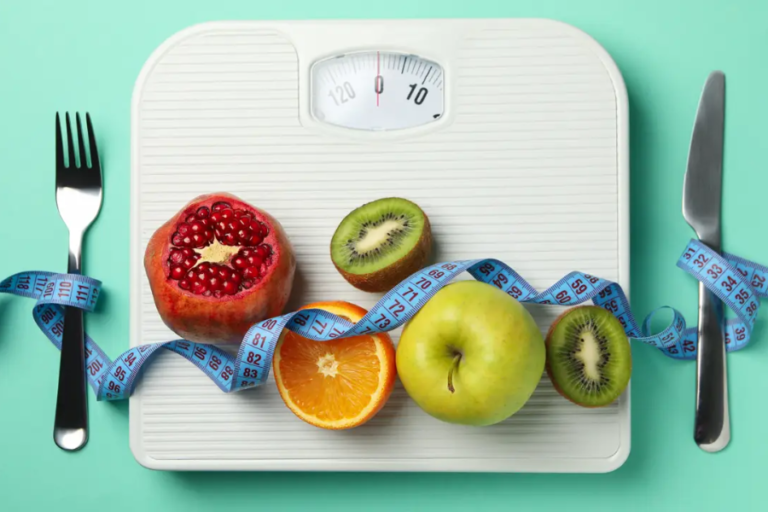
- Monitor your weight at the same time each morning.
- If your weight is stable, add 300 to 400 calories per day and observe for 2 to 3 weeks.
- Aim for weight gain of about 0.25 to 0.5 percent of your bodyweight per week.
This slower rate gives your triceps time to grow without turning the process into a fat gaining phase.
How this might look in real life
A two month nutrition roadmap from Muscle & Fitness for a 180 pound bodybuilder suggests about 20 calories per pound of bodyweight, roughly 3,600 calories per day, to support arm and tricep growth. That is a useful example of what a muscle building intake can look like when you are training hard and want bigger arms.
Dial in protein for tricep growth
Protein is the material your body uses to repair and build muscle tissue after heavy tricep workouts. You do not need endless amounts, but you do need enough quality protein spaced across the day.
Find your daily protein sweet spot
A large meta analysis of 49 studies on resistance training and muscle gain found that about 1.6 g of protein per kilogram of bodyweight per day is associated with the greatest increases in muscle mass. Intakes above roughly 2.2 g/kg per day do not appear to give extra benefits for growth or strength.
Several current recommendations for active people and strength athletes fall in this range:
- 1.4 to 2.0 g per kilogram of bodyweight per day
- Or about 0.6 to 0.9 g per pound of bodyweight
This is enough to keep you in a positive nitrogen balance, which is important for muscle repair and remodeling. For many lifters, this is a more realistic and sustainable target than trying to eat extremely high protein every day.
You might see higher numbers elsewhere. For example, one Muscle & Fitness plan suggests 1.0 to 1.5 g of protein per pound of bodyweight for a 180 pound bodybuilder, 180 to 270 g per day. This will support muscle growth but, based on research, going far beyond about 0.9 g per pound is unlikely to give your triceps a noticeable extra boost.
Choose protein sources that support arm size
You build triceps from the inside out with high quality proteins that are rich in essential amino acids, especially leucine, a key trigger for muscle protein synthesis. Helpful options from current research include:
- Eggs, shrimp, and cottage cheese, all naturally rich in leucine
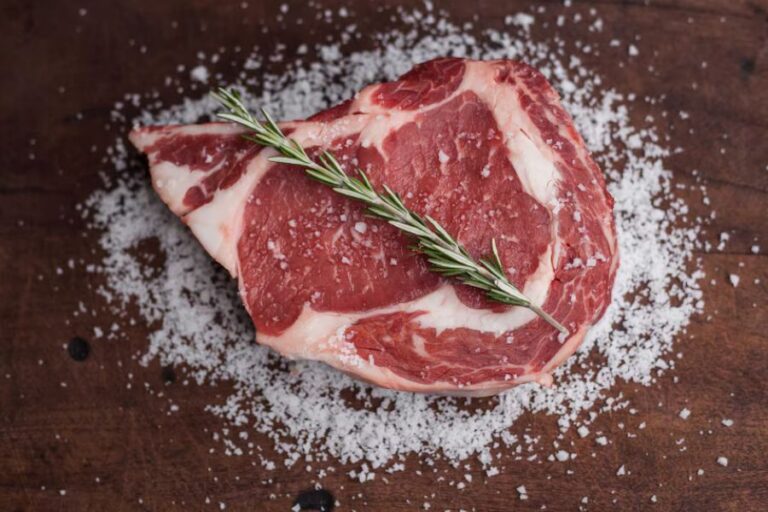
- Chicken breast, lean beef, and other lean meats
- Fish and seafood such as salmon and tuna, which also provide helpful omega 3 fats
- Dairy products like Greek yogurt and cow’s milk that combine fast and slow digesting proteins
Protein rich dairy can be particularly useful after workouts. The mix of whey, which is fast digesting, and casein, which is slow digesting, can help improve muscle recovery and growth, including in your triceps.
Spread protein across your day
Rather than saving all your protein for one huge dinner, you will likely get more benefit by distributing it across your meals and snacks. Research summarized by NASM notes that consuming 20 to 40 g of whey protein every 3 to 4 hours or within 2 hours post exercise for 8 to 12 weeks can increase lean mass and strength while reducing fat.
A simple approach:
- 3 to 4 meals with about 20 to 40 g of protein each
- Optional protein rich snack or shake after your tricep sessions
Protein supplements like whey, casein, or soy are most useful if you struggle to hit your daily target through whole foods. If you already meet your needs, extra powder is convenient but not essential.
Use carbohydrates to power tricep training
Carbohydrates often get pushed aside in muscle building conversations, but they are essential for tricep growth and overall muscle development. They provide the energy that lets you push heavy loads and high volume in your workouts.
Registered dietitians at Nourish To Flourish in Richmond, Midlothian, Chesterfield, Henrico, and West End, VA highlight several key roles of carbohydrates:
- They fuel intense strength training sessions so you can perform enough quality sets and reps for hypertrophy.
- They help spare protein from being burned as energy so more of your dietary protein can go toward muscle repair and growth.
- They support hormonal balance, which is important for muscle building.
- They play a critical role in post workout recovery so muscles like your triceps can repair and grow.
How many carbs do you need
For resistance trained athletes, carbohydrate intakes of about 4 to 7 g per kilogram of bodyweight per day support training demands and help restore muscle glycogen. Very low carb or ketogenic approaches have been shown to impair skeletal muscle mass gains in some studies.
More specific bodybuilding style guidance suggests:
- At least 2 g of carbohydrate per pound of bodyweight per day, for example, 360 g of carbs daily for a 180 pound individual, with an emphasis on slow digesting options like oats and sweet potatoes.
- Faster digesting carbs mainly after workouts, when your body can use them quickly to replenish glycogen and support muscle recovery.
In practice, your best carb intake depends on how often and how hard you train, plus your personal tolerance. If your tricep workouts feel flat or you struggle to add reps and weight, increasing carbs is often more effective than adding even more protein.
Choose carbs that support performance
Focus most of your carb intake around nutrient dense, minimally processed sources:
- Oats, quinoa, brown rice, and barley
- Potatoes and sweet potatoes
- Beans and lentils
- Fruit, especially around workouts
Then use more rapidly digested carbs, like white rice or fruit juice, during or after tough training sessions if you need quick energy. According to NASM, combining carbohydrate supplements such as Vitargo or Karbolyn with protein immediately after exercise can enhance muscle protein synthesis more than protein or carbs alone.
Include healthy fats for hormones and joints
Fats help your body absorb vitamins, keep hormones like testosterone in a healthy range, and support joint health, all of which matter for heavy pressing and extension work.
A practical intake range from the Muscle & Fitness arm building plan is:
- 0.5 to 0.7 g of fat per pound of bodyweight per day
For a 180 pound person, that is about 90 to 125 g of fat daily. You can cover this by focusing on:
- Fatty fish such as salmon and tuna, which also support muscular health and mass gain
- Nuts and seeds
- Olive oil and avocado
- Nut butters like peanut or almond butter
You do not need to chase fat for its own sake, but you should avoid going extremely low fat while trying to grow your arms. Very low fat diets can make it harder to maintain optimal hormone levels and joint comfort.
Build tricep friendly meals
You do not have to eat perfectly to build impressive triceps, but a simple structure can keep you on track. Each meal should support your training and recovery without feeling complicated.
Basic muscle building plate
Aim for this layout most of the time:
- Half the plate: complex carbohydrates like rice, potatoes, whole grains, or beans
- A quarter of the plate: lean protein such as chicken, fish, lean beef, tofu, or cottage cheese
- The remaining quarter: colorful vegetables for fiber and micronutrients
- Add a thumb or two of healthy fats like olive oil, avocado, nuts, or seeds
Example day aimed at tricep growth:
- Breakfast: Oats cooked in milk with whey protein, berries, and peanut butter
- Lunch: Chicken breast, rice, mixed vegetables, and olive oil
- Pre workout snack: Greek yogurt with fruit and honey
- Post workout: Whey shake plus banana or a simple carb supplement as per NASM guidance
- Dinner: Salmon, sweet potato, and a large salad
- Before bed: Cottage cheese or casein shake to provide slow digesting protein overnight
This general pattern supplies protein in the right range, enough carbs to train hard, and fats that support hormone health.
Use supplements that actually help
Supplements are not required for better triceps, but a few can make your program more effective or more convenient. It helps to know what is supported by current research and what is more optional.
Protein powders
Whey protein is a complete protein with all essential amino acids and it scores highly for digestibility. Studies summarized by NASM show that 20 to 40 g of whey every 3 to 4 hours or within 2 hours after training for 8 to 12 weeks can increase lean mass and strength while reducing fat mass.
Casein protein is slower digesting and can be helpful before bed to limit overnight muscle breakdown. Typical suggestions are 20 to 40 g pre sleep.
Protein powders are most useful if:
- You train multiple days per week
- You struggle to eat enough protein from food
- You want an easy post workout option
If you already hit 1.4 to 2.0 g of protein per kilogram from food alone, adding more powder is not essential.
Creatine
Creatine is one of the most researched supplements for strength and muscle growth. NASM notes that:
- Supplementation can increase muscle creatine content by up to 40 percent above normal levels.
- This can improve strength and training performance, increase muscle cell water content, and support hormones like IGF 1 while reducing muscle protein breakdown.
- A typical protocol uses a 5 to 7 day loading phase at 0.3 g per kilogram four times daily, followed by 5 g per day.
- Creatine is often most effective when taken after exercise to support recovery, and muscle mass increases can appear in as little as 4 weeks.
Women tend to have lower baseline creatine stores than men, and levels can fluctuate with menstruation, pregnancy, and menopause. For that reason, creatine supplementation may be particularly useful for females who want to support muscle size, strength, bone density, and possibly mood and cognition.
Amino acid supplements
Essential amino acids (EAAs) and branched chain amino acids (BCAAs) are both popular for muscle building, but they are not magic.
- EAAs in doses of about 5 to 9 g before and or after resistance exercise can stimulate muscle protein synthesis, but they generally offer fewer benefits than complete high quality protein sources.
- BCAAs make up about 35 percent of muscle amino acids, yet current evidence suggests that BCAA supplements do not add much for muscle gain when your total dietary protein is adequate, including in females who lift.
If you are already hitting your protein targets, you probably do not need extra BCAAs. EAAs can be a backup when your protein intake is low or you are between meals, but they are not a requirement for bigger triceps.
Other muscle building supplements
Several other supplements show some potential for supporting muscle mass and performance:
- Beta hydroxy beta methyl butyrate (HMB) at 1.5 to 3 g per day for 3 to 12 weeks has been shown to increase strength and mass by limiting muscle protein breakdown. A current recommendation is 1 to 2 g, 30 to 60 minutes before training.
- Some bodybuilding plans include ingredients like arginine, beta ecdysterone, and forskolin to influence nitric oxide production, protein synthesis, and body composition. These can be considered optional extras rather than essentials.
Before adding multiple supplements, make sure your basics are in place: enough total calories, protein in the right range, sufficient carbohydrates, smart tricep programming, and decent sleep.
Avoid common nutrition mistakes that limit tricep growth
Even if you train your arms hard, a few nutrition missteps can hold you back. You can increase your results quickly by identifying and fixing these.
Undereating overall
You might eat a lot of protein but still fall short on total calories. As the collegiate strength athlete study showed, when energy intake is too low, lean mass gains are limited even if protein is above recommended levels. If your bodyweight has not moved for weeks and your arms look the same, a small calorie increase is often the missing piece.
Overfocusing on protein alone
Going above about 2.2 g of protein per kilogram of bodyweight will not automatically lead to larger triceps and it can crowd out carbohydrates and fats that support performance and hormones. Once your protein is in a good range, use additional calories for carbs and fats.
Consistently low carbohydrates
Very low carb and ketogenic diets may interfere with muscle mass gains for resistance trained athletes. If your tricep strength stalls, you feel drained in workouts, or you cannot add volume, there is a good chance your carb intake is too low for your training demands.
Chasing supplements without fundamentals
Creatine, whey, and a few other supplements can help, but they cannot fix poor sleep, inconsistent training, or chronic undereating. Use supplements to fill small gaps, not to compensate for an unstructured routine.
Put it all together for stronger triceps
If you want to unlock serious strength with nutrition for tricep growth, start with a simple checklist you can apply today:
- Eat in a small calorie surplus so your body has the energy to build new muscle.
- Set protein around 1.4 to 2.0 g per kilogram of bodyweight per day and spread it across 3 to 5 meals.
- Include plenty of carbohydrates, generally 4 to 7 g per kilogram per day, and increase intake around tricep workouts.
- Get enough healthy fats to support hormones and joints, roughly 0.5 to 0.7 g per pound of bodyweight.
- Base your meals on whole foods like lean meats, fish, eggs, dairy, whole grains, fruits, vegetables, nuts, and seeds.
- Add supplements like whey and creatine if they make it easier to stay consistent.
Choose one or two changes you can make this week, such as adding a post workout carb and protein meal or bumping your daily calories slightly. Pair those upgrades with focused tricep training and give your plan a few months. With the right fuel behind your workouts, your triceps have the support they need to grow.
About the Author