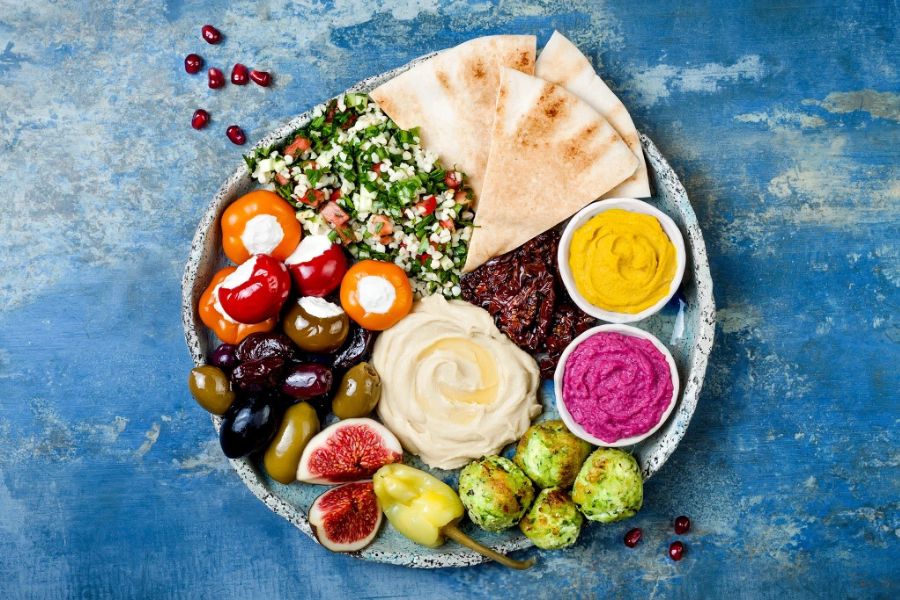
A Mediterranean diet is one of the few eating patterns that feels just as good as it is good for you. With the right Mediterranean diet recipes, you can enjoy colorful, satisfying meals and still support your heart, weight, and long‑term health without counting every calorie or cutting entire food groups.
Below, you will find practical ideas and recipe inspiration that show you how to make eating healthy feel fun and realistic for everyday life.
Understand what makes a Mediterranean diet
Before you dive into Mediterranean diet recipes, it helps to understand what ties them together. The Mediterranean diet is built around the traditional foods eaten in countries that border the Mediterranean Sea. It emphasizes vegetables, fruits, whole grains, beans, nuts, legumes, lean proteins from fish and poultry, olive oil as a main fat, and some dairy, all while celebrating flavor and the pleasure of sharing food at the table (The Mediterranean Dish).
You focus more on what you add to your plate than what you remove. Instead of strict rules, this way of eating leans on variety, plenty of plants, and simple, fresh ingredients. Extra virgin olive oil, often called EVOO, plays a starring role because of its heart friendly unsaturated fats and antioxidants that protect your heart, brain, and help calm inflammation, which is why it is especially recommended in Mediterranean diet recipes (Cleveland Clinic).
This approach has been recognized repeatedly as one of the healthiest overall, in part because it is sustainable. You are not meant to feel deprived. You simply build most of your meals around plants, healthy fats, and lean proteins, while enjoying treats in moderation and focusing on satisfaction instead of perfection (The Mediterranean Dish).
Make breakfast bright and energizing
Mediterranean diet breakfast recipes give you an easy way to start your day with protein, fiber, and healthy fats so you stay full and steady until lunch. You can go sweet or savory, and you do not need a lot of time in the morning.
For savory options, eggs and vegetables are your best friends. Dishes like sheet pan eggs baked with peppers, onions, and tomatoes, or shakshuka, a dish of eggs simmered in a spicy tomato and pepper sauce, check all the boxes: protein, vegetables, and healthy fats in one pan (The Mediterranean Dish). Serve with whole grain toast or a small piece of pita for extra fiber.
If you prefer something you can grab from the fridge, Mediterranean style overnight oats and chia puddings are simple to prep. Berry chia pudding, for example, blends omega‑3 rich chia seeds, fruit, and milk or a milk alternative for a creamy, fiber rich breakfast that fits Mediterranean diet principles (EatingWell). Fig and ricotta overnight oats layer whole grain oats, fruit, and a bit of dairy for protein and satisfaction.
You can also keep things very simple. Hummus on whole grain toast with sliced cucumber and tomato, or a quick smoothie with banana, tahini, and milk gives you a Mediterranean style start with almost no cooking.
Build satisfying Mediterranean lunches
For lunch, Mediterranean diet recipes focus on meals that are filling but not heavy, so you avoid the mid afternoon crash. Bowls, salads, and hearty soups all work well because you can mix and match ingredients and prep them in advance.
Grain and legume bowls are especially helpful if you are trying to manage your weight. A chickpea and quinoa bowl with roasted vegetables and a bold red pepper sauce gives you protein from both the chickpeas and quinoa, plus fiber and complex carbohydrates to keep you full (EatingWell). You can swap in farro, barley, or brown rice for variety.
Mediterranean salads go far beyond a handful of lettuce. Classic combinations like cucumber and tomato salad, Greek salad with tomatoes, cucumbers, olives, and feta, or parsley packed tabouli make vegetables the centerpiece. They rely on fresh herbs and a drizzle of extra virgin olive oil instead of heavy dressings (The Mediterranean Dish). For extra staying power, you can add a scoop of tuna, grilled chicken, or a handful of chickpeas.
Soups and stews are another lunch friendly option. A slow cooker Mediterranean stew with tomatoes, beans, leafy greens, and olive oil delivers fiber, plant protein, and healthy fats in a single bowl and happens to be vegan friendly at the same time (EatingWell). Make a pot on Sunday and you have several lunches ready to reheat.
Enjoy fun, fast Mediterranean dinners
Mediterranean diet dinners prove that healthy does not have to mean complicated. Many recipes are built to be ready in about 30 minutes, which makes it easier to stick with this style of eating even on busy nights (The Mediterranean Dish).
Seafood plays a big role in Mediterranean cooking. Fish and seafood are central in many traditional recipes and are a key lean protein in the diet, which favors seafood over red meats like beef and pork (Allrecipes). Simple dishes such as Greek baked cod with lemon and garlic, lemon garlic salmon, or sheet pan salmon with broccoli use just a few ingredients yet bring a lot of flavor to the table (The Mediterranean Dish, EatingWell).
If you prefer chicken to fish, one pan Mediterranean recipes can make weeknights easier. Sheet pan chicken thighs roasted with Brussels sprouts, tomatoes, and gnocchi, or balsamic glazed chicken with asparagus, give you protein and vegetables in one pan and limit cleanup (EatingWell, EatingWell). You can also try a high protein balsamic chicken orzo, where pasta, vegetables, and chicken cook together and are finished with a little balsamic vinegar and herbs for brightness (EatingWell).
Comfort food is not off the table either. One pot dishes like white bean, spinach, and sun dried tomato orzo wrapped in a creamy herb cheese sauce, or a Marry Me white bean soup that borrows flavors from a classic chicken recipe, give you cozy, crowd pleasing dinners that still fit Mediterranean principles (EatingWell, EatingWell).
Put seafood at the center more often
If you are trying to follow Mediterranean diet recipes for heart health and weight management, seafood is one of the most helpful ingredients you can add to your weekly routine. It is rich in lean protein and often provides beneficial omega 3 fats. Many Mediterranean seafood recipes are also quick to cook, which suits weeknight meals.
You might start with simple grill or bake recipes like grilled Mediterranean salmon in foil with cherry tomatoes and tapenade or baked halibut steaks cooked with zucchini, tomatoes, and feta. Both highlight seafood along with vegetables, herbs, and olive oil, all core components of the Mediterranean diet (Allrecipes). Sheet pan halibut, easy seafood paella, and grilled shrimp with fresh herb or cilantro sauce are other examples that bring big flavor with minimal fuss (The Mediterranean Dish).
Traditional dishes like bouillabaisse, a rich seafood soup, or Spanish Moroccan fish cooked on a bed of onions, peppers, carrots, and tomatoes show how this cuisine layers seafood with vegetables and aromatics instead of relying on heavy sauces (Allrecipes, The Mediterranean Dish). Even smaller plates such as Italian seafood salad, marinated anchovies, or shrimp pesto pasta with vegetables can help you swap in seafood where you might normally use red meat (The Mediterranean Dish).
If seafood is new to you, you can aim for one fish or shrimp dish per week at first and gradually work up to having seafood a few times a week. That simple shift moves you closer to a Mediterranean style pattern over time.
Adapt recipes for weight loss and health goals
Many people turn to Mediterranean diet recipes to help with weight loss or to manage conditions like high blood pressure or high cholesterol. The good news is that you can adjust recipes without losing the enjoyable parts of this way of eating.
Mediterranean dinners that are naturally lower in calories and high in fiber and protein, such as bean based stews, grain and legume bowls, and vegetable heavy pasta dishes, can be especially supportive if you want to lose weight. A high protein pasta salad that swaps regular pasta for chickpea pasta and adds cucumbers, cherry tomatoes, roasted peppers, chickpeas, and mozzarella pearls is one example that feels indulgent but still fits your goals (EatingWell). Curried butter beans with spices served over brown rice or whole grain noodles give you a plant protein packed, filling meal that keeps you satisfied for hours (EatingWell).
You can also tailor the Mediterranean diet to suit vegetarian or gluten free needs. It easily becomes vegetarian when you skip meat and fish and lean on plant proteins such as beans, lentils, nuts, and seeds. To adapt it for gluten free eating, you simply switch out gluten containing grains for options like brown rice, quinoa, or gluten free whole grain breads, ideally with guidance from a dietitian to make sure you still meet your nutrient needs (Cleveland Clinic).
For some people, especially if you have medical conditions or allergies, working with a dietitian or your primary care provider to personalize Mediterranean recipes and meal plans is a smart step. They can help you balance your meals, adjust portions, and choose recipes that fit your health history and personal preferences (Cleveland Clinic).
Stock a Mediterranean friendly kitchen
It is much easier to cook Mediterranean diet recipes regularly when your pantry and fridge support that goal. You do not need specialty items. Most staples are simple, widely available, and budget friendly.
A Mediterranean style pantry often includes several types of dry or canned beans, lentils, whole grains like brown rice, oats, and whole wheat pasta, as well as nuts, seeds, and a bottle of good extra virgin olive oil. Fresh vegetables, leafy greens, herbs, and citrus fruits give you the building blocks for salads, sides, and main dishes. Keeping fish, poultry, and yogurt on hand rounds out your protein options (The Mediterranean Dish).
When you are stocked with these basics, you can quickly pull together meals such as a tomato and cucumber salad with chickpeas, a simple vegetable and lentil soup, or roasted fish with a tray of mixed vegetables. Planning a few breakfasts, lunches, and dinners ahead of time, and using leftover vegetables or grains in bowls and salads, helps you avoid falling back on more processed options during busy weeks (Cleveland Clinic).
If you remember one thing, let it be this: the more often you fill your plate with vegetables, whole grains, beans, seafood or lean poultry, and a drizzle of extra virgin olive oil, the closer you are to a Mediterranean pattern, even if every meal is not perfect.
Turn ideas into action
You do not need to overhaul your entire way of eating overnight to benefit from Mediterranean diet recipes. Small, consistent changes can add up quickly. You might start by picking one Mediterranean inspired breakfast to make ahead for the week, such as berry chia pudding. Or you could choose one new seafood recipe, like lemon garlic baked cod, for an upcoming dinner.
As you get more comfortable, you can build out a rotation of favorite breakfasts, lunches, and dinners that fit your taste and schedule. Over time, eating healthy starts to feel less like a project and more like your normal, enjoyable routine.
About the Author