A paleo style of eating is often described as meat heavy, strict, or confusing. When you focus on realistic paleo diet benefits instead, it becomes a practical framework you can actually use to lose weight and improve your health. You do not have to be perfect to see results, and you do not have to give up every food you enjoy forever.
Below, you will learn what the paleo diet is, how it may benefit you, where the science is strong or mixed, and what to watch for before you jump in.
Understand what the paleo diet really is
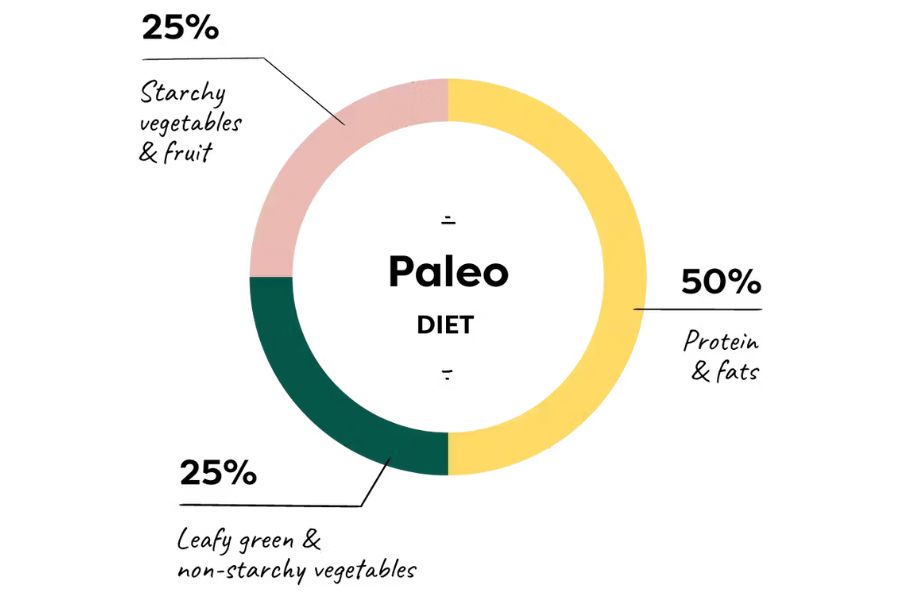
At its core, the paleo diet centers on whole, minimally processed foods that our hunter gatherer ancestors might have eaten. You focus on fruits, vegetables, lean meats, fish, eggs, nuts, and seeds, and you avoid grains, legumes, most dairy, and added sugar and highly processed foods. This pattern was popularized by organizations like Mayo Clinic as a way to eat more simply and reduce your reliance on packaged foods (Mayo Clinic).
In practice, that might look like eggs and berries for breakfast, a big salad with grilled chicken at lunch, and salmon with roasted vegetables at dinner. Snacks would be things like fruit, nuts, and cut up veggies instead of chips or cookies. You can think of it less as a strict list to follow and more as a template that nudges you toward whole foods most of the time.
Explore the main paleo diet benefits
When you look at paleo diet benefits, you will notice a pattern. The advantages usually come from eating fewer ultra processed foods and more nutrient dense whole foods. Several short term randomized trials have found that compared with standard guideline based diets, a paleo style pattern often leads to greater weight loss, smaller waist size, lower blood pressure, better insulin sensitivity, and improved cholesterol, at least over weeks to months (Harvard T.H. Chan School of Public Health).
A large meta analysis of 21 randomized controlled trials with 700 adults also found that the Paleolithic diet improved body composition and some markers of heart and blood sugar health compared to other healthy diets. On average, people lost more weight and body fat, and saw bigger drops in blood pressure and improvements in carbohydrate metabolism markers like fasting glucose and insulin resistance (PMC – NCBI).
Beneath those numbers are everyday changes you can feel. When you trade refined carbs and sugary snacks for protein, vegetables, and healthy fats, you are more likely to stay full, have steadier energy, and naturally eat less without counting every bite.
Support weight loss and body composition
If you are drawn to paleo to help with weight loss, you are not alone. Research suggests this way of eating can be effective for both short and longer time frames.
In the meta analysis mentioned above, people following a Paleolithic diet lost an average of about 5.8 kilograms of body weight and reduced their BMI by 2.1 in the short term, up to six months, compared to smaller reductions on other healthy diets. In longer studies over 6 months, weight loss averaged 8.7 kilograms with bigger drops in waist circumference and fat mass than comparison diets (PMC – NCBI).
A two year trial in post menopausal women with obesity also found that a paleo style diet led to greater fat loss at 6 months and larger reductions in triglycerides at both 6 and 24 months, compared with a Nordic Nutrition Recommendations diet (Harvard T.H. Chan School of Public Health).
You likely see these results for a few reasons:
- Higher protein intake, around 30 percent of calories, tends to reduce appetite and support muscle.
- Moderate carbohydrates, about 30 percent of calories, usually mean fewer blood sugar spikes.
- A focus on vegetables and fruits adds fiber and volume, so your plate looks and feels full even if calories drop.
You still need an overall calorie deficit to lose weight, but the paleo framework can make that deficit feel much more manageable.
Improve blood sugar and insulin sensitivity
Steady blood sugar is another commonly discussed paleo diet benefit. Since you are cutting out sugary drinks, refined grains, and desserts, and eating more fiber rich vegetables and protein, your body has fewer big glucose spikes to manage.
A meta analysis of 21 randomized trials found that the Paleolithic diet produced significant improvements in fasting plasma glucose, fasting insulin, and insulin resistance, particularly in the short term. These benefits were not seen with comparison diets to the same degree and were generally sustained in longer follow up periods (PMC – NCBI).
People with type 2 diabetes are increasingly exploring paleo as one possible way to manage their condition. Some individuals report better blood pressure, improved cholesterol, blood sugar readings in target range, and even lower medication needs within weeks of changing their diet, although clinical evidence is still limited and personal results vary widely (Everyday Health).
Experts suggest a few reasons for these changes. Paleo friendly foods often provide more fiber that slows sugar absorption, more micronutrients and antioxidants, and may support healthier gut bacteria. Together, these factors can help your body handle glucose more smoothly (Everyday Health).
If you have diabetes or prediabetes, it is especially important to talk with your health care provider before making big changes. Carbohydrate restriction can affect your medication needs, and stopping insulin or other drugs on your own is not safe.
Support heart health and blood pressure
Because the paleo diet reduces highly processed foods and emphasizes fruits, vegetables, and unsaturated fats, it may also support your heart, at least in the short term. In the large trial analysis, people on a Paleolithic diet saw significant decreases in systolic blood pressure by about 6.9 mmHg and diastolic by 4.9 mmHg compared with control diets. They also experienced reductions in total cholesterol and LDL cholesterol, the type often labeled as bad cholesterol (PMC – NCBI).
Short term, small studies have similarly reported decreased blood pressure and improved cholesterol profiles compared with guideline based diets (Harvard T.H. Chan School of Public Health). A study of young adults in Spain also linked higher adherence to a paleo style pattern with lower cardiovascular risk factors, although that benefit may be largely due to eating more fruits and vegetables and less processed food rather than the exclusion of grains and dairy specifically (Mayo Clinic).
It is worth keeping in mind that how you build your paleo plate matters. If you lean on lean meats, fish, nuts, seeds, olives, and avocados as your main fat sources, you are more likely to see favorable cholesterol changes than if you rely heavily on red meat and butter.
Eat fewer ultra processed foods
One underrated paleo diet benefit is that it gives you a simple filter: if a food looks like it came out of a factory with a long ingredient list, you generally skip it. That rule alone can drastically reshape your eating pattern.
The paleo diet encourages you to avoid foods with added sugar, refined flour, and industrial oils and to prioritize nutrient dense whole foods (Harvard T.H. Chan School of Public Health). Many people find this approach makes labels less confusing and grocery shopping more straightforward.
Instead of reading through every nutrition panel, you can ask, “Is this a whole food or something close to it?” If the answer is yes, it probably fits. Over time, this helps retrain your palate away from very sweet and very salty products and toward more natural flavors.
A practical way to think about paleo is not “perfect caveman eating” but “more real food, fewer packaged foods, most of the time.”
That shift alone can improve your diet quality even if you do not follow every paleo rule exactly.
Recognize the limitations and risks
Like any eating pattern, paleo has downsides and is not ideal for everyone. Knowing the potential risks helps you decide how strict you want to be.
Because it excludes grains, legumes, and most dairy, a strict paleo diet removes several major sources of fiber, B vitamins, iron, magnesium, selenium, protein, calcium, and vitamin D. These nutrients play key roles in blood sugar control, cholesterol regulation, bone health, and long term disease risk (Monte Nido, Mayo Clinic).
Some research has also raised flags about long term strict paleo patterns:
- People who avoided grains and dairy for more than a year had lower intakes of resistant starch, an important type of fiber for gut health, than control participants. They also showed higher levels of TMAO, a metabolite linked with cardiovascular disease, and a gut microbiota shift toward more TMA producing bacteria, especially when grain intake was very low (PMC).
- These strict paleo followers tended to eat more saturated fat than recommended, with higher total cholesterol levels, body weight, and BMI, even though their HDL cholesterol was higher. This suggests potential cardiovascular risks if your paleo diet leans heavily on red meat and saturated fat sources (PMC).
High intakes of saturated fat and red meat have also been associated with higher risks of heart and kidney disease, bowel cancer, and elevated LDL cholesterol, particularly when daily saturated fat approaches 50 grams compared with a recommendation of around 13 grams (Monte Nido).
On top of the nutrient concerns, paleo can be time and resource intensive. Buying fresh, often local foods, cooking most meals at home, and maintaining a physically active lifestyle all take planning and budget. It is also difficult to follow if you are vegetarian or vegan, because legumes, a key plant protein, are off the list (NUNM).
Finally, many experts point out that long term health benefits and risks of paleo are still not fully understood. Much of the research is short term and involves small groups. Balanced, less restrictive diets that emphasize fruits, vegetables, whole grains, lean proteins, and healthy fats may provide similar benefits without excluding entire food groups (Mayo Clinic).
Decide if paleo is a fit for you
When you add everything up, paleo diet benefits are strongest when you see it as a flexible guide rather than a rigid rulebook. You are most likely to succeed if you:
- Use paleo principles to crowd your plate with vegetables, fruits, and lean protein.
- Choose mostly unsaturated fats and limit very fatty cuts of red meat.
- Consider keeping some nutrient dense non paleo foods such as plain yogurt, legumes, or whole grains if you and your health care team agree they work well for you.
- Work with a registered dietitian or health professional if you have diabetes, heart disease, kidney issues, or a history of disordered eating.
You do not need to change everything overnight. You might start by replacing sugary breakfast cereals with eggs and fruit, swapping your afternoon pastry for nuts and an apple, or cooking a paleo style dinner at home twice a week. As those changes feel normal, you can layer on more.
Most importantly, pay attention to how you feel. If you have more energy, steadier hunger, better lab results, and a way of eating you can live with, you are on the right track, whether your plate is strictly paleo or simply paleo inspired.
About the Author