Understand how intermittent fasting works for women
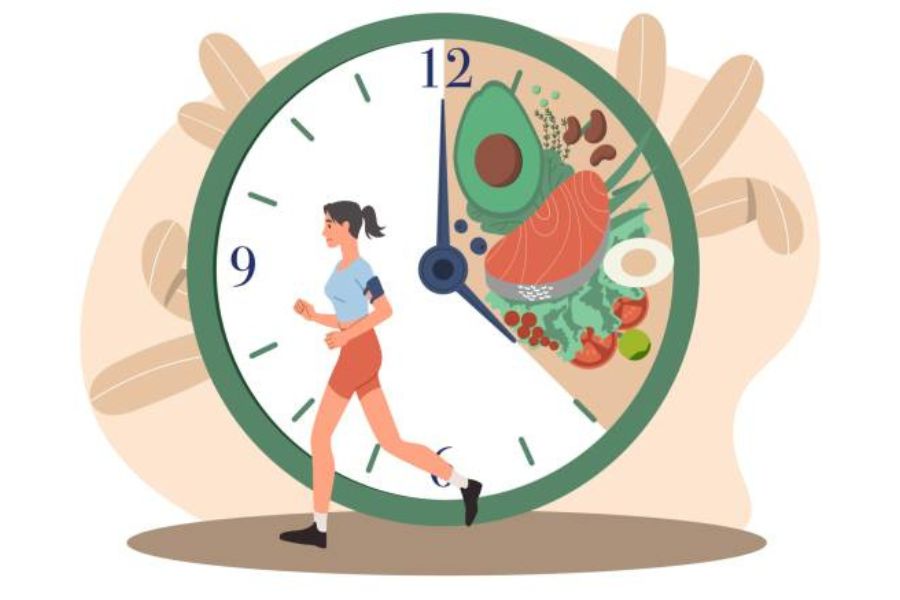
Intermittent fasting for women is not just about skipping meals. It is about timing your eating so your body can switch from burning sugar to burning fat. You eat during a specific window, then fast for the rest of the day.
Common methods include:
- 16/8: Fast for 16 hours, eat within an 8 hour window
- 14/10: Fast for 14 hours, eat within a 10 hour window
- 5:2: Eat normally 5 days a week, then eat about 500 to 600 calories on 2 nonconsecutive days
According to Johns Hopkins Medicine, intermittent fasting triggers a metabolic switch. After your body uses up stored sugar, it starts burning fat for energy instead of relying on constant snacks and meals (Johns Hopkins Medicine).
Research highlighted by Harvard T.H. Chan School of Public Health also shows that intermittent fasting can help you eat fewer calories overall, around 250 fewer per day, which adds up to gradual weight loss over time (Harvard Chan School).
Weigh the benefits and risks first
Before you jump in, it helps to look at both sides. Intermittent fasting for women can support weight loss and better health, but it also has specific risks for women that you should not ignore.
Potential benefits you may notice
Research suggests intermittent fasting may help you:
- Lose body fat and weight
- Women over 60 following a 16/8 plan for 6 weeks lost about 2 kilograms of body fat on average (ZOE)
- Improve blood sugar and insulin sensitivity
- Time restricted eating can reduce insulin resistance and stabilize blood sugar (UIC Today)
- Support heart health
- Some studies show better cholesterol, blood pressure, and lower inflammation while you are fasting (ZOE)
- Reduce hunger swings
- Early time restricted eating can lead to fewer blood sugar spikes and drops, which often means more stable hunger and less evening snacking (Harvard Chan School)
- Possibly protect against disease
- Intermittent fasting may help protect organs and lower the risk of conditions like type 2 diabetes, heart disease, and certain neurodegenerative disorders, according to a review in the New England Journal of Medicine summarized by Johns Hopkins Medicine (Johns Hopkins Medicine)
Risks and side effects to watch for
On the other hand, fasting is a form of stress on your body. For women, that stress can show up as:
- Headaches or lightheadedness
- Tiredness or low energy
- Constipation
- Overeating or bingeing during your eating window
ZOE notes that these side effects are more likely if you make a drastic change too fast, instead of easing into a new pattern gently (ZOE).
There are also deeper hormone related risks. Rodent research suggests that fasting could affect estrogen, bone health, menstrual regularity, fertility, pregnancy, and lactation, although it is not yet clear if human women experience the same degree of impact (ZOE).
Decide if intermittent fasting is right for you
Intermittent fasting for women is not one size fits all. Your age, life stage, health history, and goals all matter.
Situations where you should avoid fasting
Experts consistently warn that intermittent fasting is generally not recommended if you:
- Are pregnant
- Are breastfeeding
- Have diabetes, especially if you use insulin or medications that can cause low blood sugar
- Take medications that must be taken with food at specific times
- Have a history of an eating disorder or are in treatment for disordered eating
Cleveland Clinic dietitian Julia Zumpano and researchers at ZOE both emphasize that these groups should not start intermittent fasting without close medical supervision, due to risks like hypoglycemia, problems with fetal growth, and a higher chance of binge eating (Cleveland Clinic, ZOE).
How your life stage matters
Your hormones shift throughout your life. Intermittent fasting can interact with those shifts in different ways.
If you are premenopausal
If you still have regular periods, your body is especially sensitive to energy shortages.
- Fasting may affect hormones that control ovulation
- Cleveland Clinic notes that intermittent fasting can disrupt estrogen and progesterone, which might interfere with your menstrual cycle and ovulation as your body responds to perceived starvation (Cleveland Clinic)
That does not mean you can never fast, but it does mean you should move slowly and pay close attention to symptoms like:
- Irregular periods
- Heavier or lighter bleeding
- New or worse PMS
- Changes in fertility
If you are perimenopausal
Perimenopause is already a time of shifting hormones. Zumpano advises that intermittent fasting can add to this instability and might make some symptoms worse (Cleveland Clinic).
If you choose to try fasting during perimenopause, a gentle and flexible approach is especially important, and working with a healthcare provider is wise.
If you are postmenopausal
Once you are postmenopausal, estrogen and progesterone stay at lower and more stable levels. Cleveland Clinic notes that intermittent fasting may be more suitable at this stage. Hormone related side effects seem less intense for many postmenopausal women, although you can still be sensitive to low energy and nutrient gaps (Cleveland Clinic).
Protect your hormones while fasting
You can lower the risk of hormonal disruption by using a careful, body aware approach to intermittent fasting.
Start with a gentle fasting window
For many women, jumping straight into a long 16 hour fast is too aggressive. Cleveland Clinic recommends starting with a 12 hour overnight fast, such as 8 p.m. to 8 a.m., and staying there for a while before extending it (Cleveland Clinic).
You might:
- Begin with 12/12 for a few weeks
- Shift to 13/11 or 14/10 if you feel good
- Only move toward 16/8 if your energy, mood, and cycles remain stable
This slower pace helps your body adapt without feeling starved.
Pay attention to your menstrual cycle
If you are premenopausal, timing your fasting around your cycle can make a big difference.
Cleveland Clinic suggests that you may tolerate fasting better:
- A day or two after your period begins
- In the middle of your cycle, when your energy often feels higher
They recommend avoiding or easing up on fasting:
- During the week before your period starts, when hormone fluctuations can make you more sensitive to stress
- If your cycle is already irregular or you are trying to conceive (Cleveland Clinic)
Practically, that could look like:
- Using a shorter fasting window or pausing fasting entirely during the week before your period
- Returning to your usual window when your energy feels more stable again
Watch for hormone imbalance signs
Your body will usually tell you if your fasting schedule is too intense. Red flags can include:
- New or worsening irregular periods
- Increased PMS, cramps, or mood swings
- Trouble sleeping or new anxiety
- Persistent fatigue or feeling cold all the time
- Hair loss or changes in skin quality
If you notice any of these, shorten your fasting window, take a break, or speak with your healthcare provider.
Choose a fasting schedule that fits your life
You are more likely to succeed with intermittent fasting if your schedule meshes with your daily life.
Consider starting with 16/8 or 14/10
Many women find the 16/8 method a realistic starting point because it builds on the overnight fast. Julia Zumpano explains that a schedule like 9 a.m. to 5 p.m. can be more sustainable than extreme fasting methods (Cleveland Clinic).
If 16/8 feels too strict, you can start with 14/10, for example:
- Fast from 8 p.m. to 10 a.m.
- Eat between 10 a.m. and 8 p.m.
Courtney Peterson at Harvard recommends an eating window of 8 hours or shorter to see the clearest benefits, but says you can begin at 10 hours and gradually shorten it as your body adjusts (Harvard Chan School).
Eat earlier, not later, when you can
When you eat may matter as much as how long you fast. Research suggests that eating earlier in the day works better for your metabolism and hormone health.
- Finishing your last meal by 6 p.m. seems to support better blood sugar, blood pressure, weight loss, and even fertility in women compared to late night eating (Harvard Chan School)
In women with PCOS, an early time restricted eating window, such as 8 a.m. to 4 p.m., helped:
- Decrease body weight by about 2 percent
- Lower testosterone and the free androgen index, which can ease symptoms of high androgens, without major changes to other reproductive hormones (Nutrients via PMC)
If your lifestyle allows, you might:
- Have breakfast mid morning
- Eat your largest meal at lunch
- Finish a lighter dinner in the late afternoon or early evening
If evenings are your main family meal time, you can still work within your reality. For example, 11 a.m. to 7 p.m. is often easier than shifting everyone to a very early dinner.
Eat well during your fasting plan
Intermittent fasting is not a free pass to eat anything you want in your eating window. What you eat still shapes your hormones, energy, and weight loss.
Focus on balanced, nutrient dense meals
Cleveland Clinic recommends that women practicing intermittent fasting build meals around:
- Lean proteins such as poultry, fish, tofu, beans, or lentils
- Plenty of vegetables
- Fruits
- Whole grains like oats, brown rice, or quinoa
- Healthy fats from sources like olive oil, avocado, nuts, and seeds
This balance helps stabilize blood sugar and provides the nutrients your body needs to keep hormones, mood, and energy in a healthier range (Cleveland Clinic).
Break your fast the right way
How you break your fast can shape your hunger and cravings for the rest of the day.
Experts at Cleveland Clinic suggest ending your fast with:
- A high protein meal
- A good amount of fiber
- Some healthy fats
For example:
- Scrambled eggs with veggies and avocado
- Greek yogurt with berries, chia seeds, and a sprinkle of nuts
- A grain bowl with quinoa, beans, roasted vegetables, and olive oil
This combination helps prevent the blood sugar spike and crash you might get from breaking a fast with pastries, juice, or sugary coffee alone (Cleveland Clinic).
Avoid the overeating trap
When you have limited time to eat, it can be tempting to cram in as much food as possible. That often backfires by creating:
- Digestive discomfort
- Sleep problems if you eat a very heavy meal late
- Frustration if the scale does not move because your total calories are still high
To keep things in balance:
- Plan your meals ahead of time so you are not grazing nonstop
- Eat slowly and give your body time to feel full
- Include enough protein and fiber so you stay satisfied between meals
Know what science says about hormones and fasting
You may have seen conflicting advice about intermittent fasting for women and hormones. The research is still evolving, and not every study finds the same results, but there are some helpful patterns.
What we know so far
Some key findings from current research include:
- In premenopausal women with obesity, intermittent fasting can decrease androgen markers such as testosterone and the free androgen index and increase sex hormone binding globulin, especially when eating earlier in the day (Nutrients via PMC)
- In women with PCOS, eating in an early window, like 8 a.m. to 4 p.m., reduced total testosterone and the free androgen index and improved androgen related symptoms (Nutrients via PMC)
- In obese women using a “warrior diet” style plan with a 4 hour eating window for 8 weeks, researchers saw:
- No significant changes in sex hormone binding globulin, testosterone, or androstenedione
- A roughly 14 percent drop in DHEA, a hormone linked to ovarian function, but still within the normal range
- No changes in estradiol, estrone, or progesterone in postmenopausal women
- Weight loss of about 3 to 4 percent from baseline and improvements in insulin resistance and oxidative stress (UIC Today)
Other research summarized in a Nutrients review notes that several intermittent fasting approaches, including 5:2 and time restricted eating, did not significantly change estrogen, FSH, LH, or prolactin levels in premenopausal women, which suggests that fasting may have more selective effects on androgen related hormones rather than across the entire reproductive hormone system (Nutrients via PMC).
Where research is still limited
It is also important to recognize the gaps:
- Many studies are small or short term
- Most focus on premenopausal women with obesity
- There is limited data on perimenopausal and postmenopausal women, and on long term reproductive health outcomes
The authors of the Nutrients review emphasize the need for more large scale trials to understand the full picture for women at different life stages (Nutrients via PMC).
Because the evidence is still developing, it is wise to treat intermittent fasting as one possible tool, not as a magic solution, and to keep your healthcare provider in the loop.
Ease into intermittent fasting safely
To set yourself up for success, focus on gradual change and consistent self check ins rather than strict rules.
Build your plan step by step
You can use this simple progression:
- Clean up your eating first
- Reduce late night snacking
- Add more whole foods and fewer ultra processed foods
- Create a 12 hour overnight fast
- For example, finish dinner by 8 p.m. and do not eat again until 8 a.m.
- Track how you feel for 2 to 4 weeks
- Watch your energy, sleep, mood, and menstrual cycle
- Shorten your eating window slowly
- Move to 13/11 or 14/10 if you feel good
- Only consider 16/8 when your body seems comfortable
- Adjust your window earlier when possible
- Aim to finish your last meal by 6 or 7 p.m. for better metabolic benefits
Throughout this process, remember that you are in control. You can pause or roll back to a longer eating window whenever you need.
Check in with your body regularly
Every one or two weeks, ask yourself:
- Are you more or less energized than before?
- Has your sleep improved or worsened?
- How is your mood and stress level?
- Has your menstrual cycle changed?
- Are you thinking about food all the time or feeling out of control during eating windows?
If your answers point toward more stress and fewer benefits, it may be time to scale back, try a different approach, or focus on a more traditional balanced eating pattern instead.
Talk to your healthcare provider
Because intermittent fasting for women interacts with hormones, medications, and existing health conditions, a quick conversation with your healthcare provider is worth your time.
It is especially important to get medical guidance if you:
- Have diabetes or metabolic syndrome
- Are on medications that must be taken with food
- Have a history of eating disorders or disordered eating
- Are trying to conceive, pregnant, or breastfeeding
Experts at Johns Hopkins, Cleveland Clinic, ZOE, and Harvard all stress that women should not start fasting without checking in with a professional if they fall into any of these groups (Johns Hopkins Medicine, Cleveland Clinic, ZOE, Harvard Chan School).
Put it all together
When you bring these pieces together, intermittent fasting for women becomes less about strict rules and more about a flexible framework. You are choosing an eating window that respects your hormones, your schedule, and your health history.
To recap the most powerful tips:
- Start gently with a 12 hour overnight fast and build slowly
- Favor earlier eating windows when your lifestyle allows
- Prioritize protein, fiber, and healthy fats in every meal
- Protect your hormones by watching your menstrual cycle and energy
- Avoid fasting entirely if you are pregnant, breastfeeding, have certain medical conditions, or a history of eating disorders, unless you have close medical supervision
- Check in with your body often and be willing to adjust
You do not have to overhaul your life overnight. Try one small change, such as setting a consistent after dinner cut off time this week. See how it feels, then decide on your next step from there.
About the Author