Understand how the keto diet works for weight loss
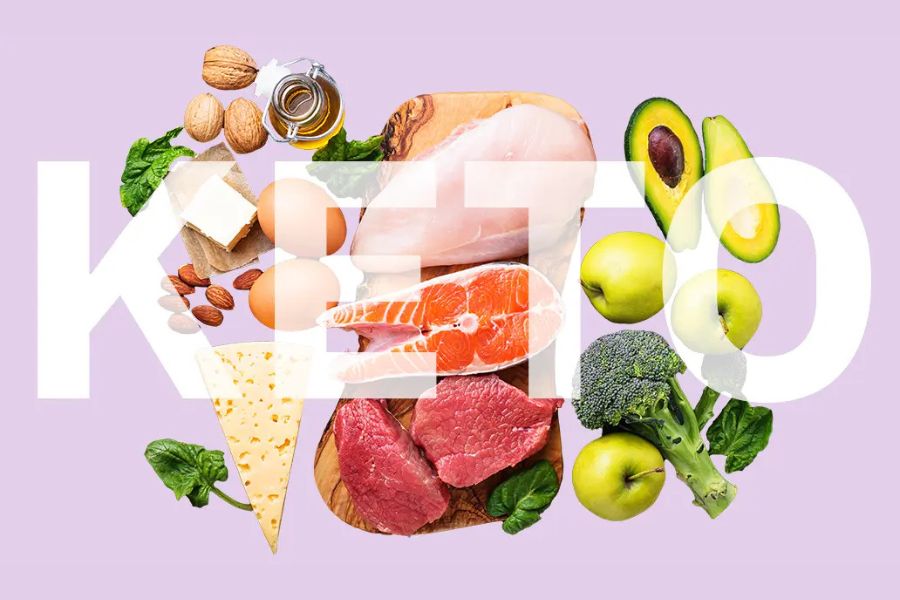
If you are curious about the keto diet for weight loss, it helps to start with the basics. A ketogenic diet is a very low carbohydrate, high fat way of eating that shifts your body from burning glucose to burning fat. When you dramatically cut carbs and increase fat, your liver produces ketones, which your body then uses as its main fuel source, a state called ketosis (Cleveland Clinic).
Typical keto macros look like this:
- About 70 to 80% of your calories from fat
- Around 10 to 20% from protein
- Only 5 to 10% from carbohydrates, usually under 20 to 50 grams of carbs per day (Cleveland Clinic, Harvard T.H. Chan School of Public Health)
Within 2 to 4 days of eating this way, you typically enter ketosis, although your exact timing depends on your previous diet and habits like intermittent fasting (Cleveland Clinic).
In simple terms, you are teaching your body to rely on fat, both from food and from your stored body fat, which is why the keto diet is so closely linked to weight loss.
What ketosis feels like
When you first enter ketosis, you might notice:
- Less intense hunger during the day
- A more stable, even kind of energy
- A different smell to your breath, sometimes called “keto breath” (Cleveland Clinic)
You may also experience the “keto flu” in the first week or two, which can include headache, fatigue, and stomach upset as your body adapts (Cleveland Clinic). These symptoms are usually short term.
See how keto supports weight loss results
You are probably most interested in one thing, how the keto diet can help you lose weight and keep it off. Research gives you a clearer picture.
Faster early weight loss
Many people notice that weight drops quickly in the first one to two weeks on keto. Studies show you can lose several pounds during this period, often up to about 10 pounds, largely because your body uses up stored glycogen and sheds water along with it (NCBI Bookshelf, Northwestern Medicine).
After this early phase, your weight loss slows but becomes more about actual fat loss rather than water.
Better appetite control
One reason the keto diet for weight loss is so appealing is that you often feel less hungry. Ketosis can help reduce appetite, which makes it easier to eat fewer calories without feeling as if you are constantly fighting cravings. This can especially help you lose belly, or visceral, fat while preserving your lean muscle mass (Cleveland Clinic).
When you are not riding the blood sugar roller coaster from higher carb meals, it can feel easier to:
- Go longer between meals
- Snack less mindlessly
- Stay satisfied with smaller portions
Helpful changes in health markers
If you have extra weight to lose or struggle with blood sugar, the keto diet can influence more than the number on the scale. Research has found that keto can:
- Lower body mass index and triglycerides
- Improve insulin sensitivity and blood sugar control
- Raise HDL, the so-called “good” cholesterol (NCBI Bookshelf)
Some studies also report short term improvements in blood pressure and other metabolic markers, although the long term picture is more mixed and still being studied (Harvard T.H. Chan School of Public Health).
How long results really last
It is important to know that the strongest benefits in weight and metabolic health tend to show up in the first few months. Over a full year, the difference between keto and more conventional diets often becomes smaller, and long term results are not clearly better than other approaches, especially once you return to a higher carb way of eating (Harvard T.H. Chan School of Public Health).
You can still use keto as a tool, but it works best when you see it as one part of a longer journey rather than a quick fix.
Weigh the pros and cons of keto
Before you jump into keto for weight loss, it helps to look at both sides. The diet can offer real benefits, but it also comes with tradeoffs and risks.
Potential benefits you might notice
If keto suits your body and your lifestyle, you may experience:
- Noticeable early weight loss
- Less hunger and fewer cravings
- Clearer food rules, which can feel easier for some people to follow
- Short term improvements in blood sugar and some cholesterol markers (NCBI Bookshelf, Harvard T.H. Chan School of Public Health)
Some people also like that the diet allows satisfying, higher fat foods as long as they fit within the keto structure.
Real challenges you should expect
On the other hand, keto is restrictive, and that affects both your day to day life and your health. Research and clinical experts point out several key issues:
-
Difficulty sticking with it
Long term adherence is hard. In some weight loss programs, participation rates can drop dramatically within nine months as people struggle with the strict food rules and social pressures (NCBI Bookshelf). -
Diet monotony and social strain
Eating very low carb limits many common foods and can make social situations, travel, and shared meals more complicated (Harvard T.H. Chan School of Public Health). -
Side effects, especially at the start
The “keto flu,” keto breath, constipation, fatigue, and irritability are all reported early side effects that can affect how you feel and how long you want to continue (Cleveland Clinic). -
Potential nutrient gaps
Since you are cutting back significantly on fruits, whole grains, and some vegetables, you may be at higher risk for deficiencies in vitamins, minerals, and fiber if you do not plan carefully (Northwestern Medicine, Harvard T.H. Chan School of Public Health). -
Possible longer term health risks
Some evidence suggests that long term ketogenic dieting may increase risks for kidney stones, osteoporosis, and elevated uric acid, and that high intakes of saturated fat can negatively affect LDL cholesterol and heart health (Harvard T.H. Chan School of Public Health, University of Chicago Medicine).
Because of these factors, several clinical dietitians and cardiologists do not recommend keto as a long term, default approach for everyone, especially for people with certain health conditions (Northwestern Medicine, University of Chicago Medicine).
Decide if keto is a fit for your health
The keto diet for weight loss may not suit every lifestyle or medical history. Before you change how you eat, it is important to look at your personal situation.
When you should be cautious or avoid keto
Keto is not recommended if you:
- Have pancreas, liver, thyroid, or gallbladder conditions
- Are at higher risk of kidney stones or have existing kidney disease
- Take certain diabetes medications that increase the risk of low blood sugar
- Already struggle with disordered eating or obsessive food tracking (University of Chicago Medicine)
The sharp drop in carbs can lower blood pressure and blood sugar, which may be helpful for some people but risky for others if not carefully supervised (Northwestern Medicine).
Why professional guidance matters
Because of the potential risks, many organizations recommend that you:
- Talk with your primary care provider before starting keto
- Work with a registered dietitian to design a balanced, nutrient dense version of the diet
- Have your lab values, such as cholesterol, kidney function, and blood sugar, monitored regularly if you follow keto beyond the short term (Harvard T.H. Chan School of Public Health, Whole Foods Market)
Professional support helps you tailor keto to your needs and plan what comes after you reach your initial goals, such as gradually reintroducing some carbohydrates in a controlled way.
Build a realistic keto meal pattern
If you decide to try the keto diet for weight loss with your health care team’s support, planning your meals in advance can make the process less overwhelming and more sustainable.
What a typical keto day might include
Using the standard keto macros as a guide, you might build your day around:
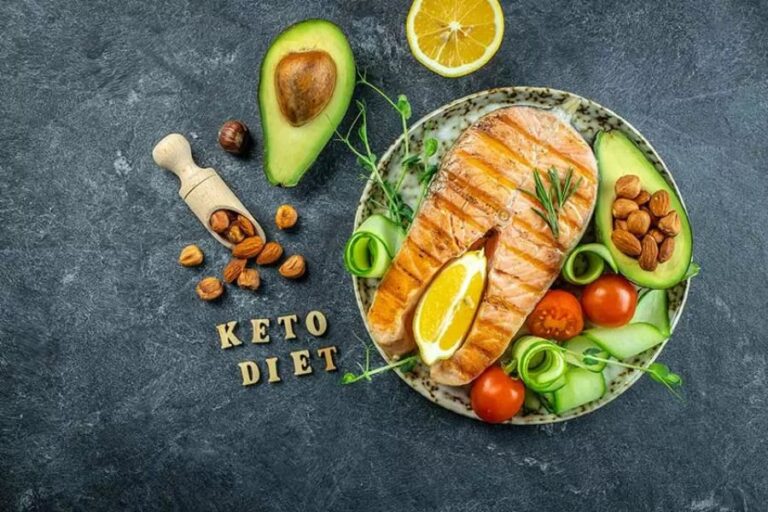
- Breakfast: Eggs cooked in olive oil with avocado slices and spinach
- Lunch: Salad with leafy greens, grilled salmon, olives, olive oil, and a small amount of cheese
- Dinner: Roasted chicken thighs with a side of non starchy vegetables like broccoli or zucchini, plus a drizzle of avocado oil
- Snacks: Nuts, celery or cucumber with a high fat dip, or a portion of full fat, unsweetened yogurt if it fits your carb limit
The key is to keep your carbohydrates low enough to maintain ketosis while emphasizing healthier fats such as olive oil, avocado, and fatty fish instead of relying heavily on processed meats and butter (Northwestern Medicine).
How a structured meal plan can help
If you like having a more guided structure, a weekly keto friendly meal plan can take some of the guesswork out of your first days or weeks. For example, a 7 day keto meal plan from Whole Foods Market lays out:
- Breakfast, lunch, dinner, snacks, and desserts for a full week
- Recipes scaled to serve two adults, often with leftovers that become lunches
- Ideas for grab and go and ready to eat options like sashimi or rotisserie chicken, which can be useful when you are busy (Whole Foods Market)
Prepping ahead and reusing leftovers makes it easier to stay within your macros without spending all of your time in the kitchen.
Smart snacking on keto
Since snacks can easily add hidden carbs, it helps to focus on options that are:
- Higher in fat and moderate in protein
- Low in sugar and starch
- Simple to portion out
The Whole Foods plan includes ideas such as:
- Celery, cucumber, or carrots with a chipotle style dip
- Parmesan crisps or other keto friendly cheese snacks
- Pork rinds
- Keto friendly protein drinks or yogurts that fit within your carb limit (Whole Foods Market)
Even small adjustments like weighing or measuring snacks a few times can help you learn what a portion really looks like.
Make keto more sustainable for you
Sticking with the keto diet for weight loss beyond the first couple of weeks requires some strategy. You do not need to be perfect, but a bit of planning can keep you from feeling stuck or deprived.
Ease into keto instead of changing overnight
If going from your current diet straight to strict keto feels overwhelming, you can move in stages:
- Start by cutting obvious sugars and refined carbs like soda, candy, and white bread.
- Gradually reduce starchy sides such as large portions of rice, pasta, and potatoes.
- Add more non starchy vegetables, protein, and healthy fats to your meals.
- Once these steps feel manageable, tighten your carb intake to your targeted keto range.
This slower approach can reduce the intensity of early side effects and give you time to build new habits.
Plan for plateaus and life after keto
Weight loss on keto, like any diet, is rarely a straight line. You might see:
- Rapid loss at first
- Slower loss as your body adapts
- Occasional plateaus where the scale does not move for a while
This is normal. Long term success often depends on what you do after your initial keto phase. Some experts recommend gradually reintroducing carbohydrates, choosing nutrient rich options such as fruits, beans, and whole grains once you and your health care team feel it is appropriate (Harvard T.H. Chan School of Public Health).
If you return to your old eating patterns very quickly, you may regain a portion, or even more, of the weight you lost, which is one reason some clinicians are cautious about keto as a long term strategy (Northwestern Medicine, University of Chicago Medicine).
Watch how you feel, not just the scale
Throughout your keto experience, it helps to pay attention to:
- Your energy levels during the day
- Your digestion and bathroom habits
- Your mood and relationship with food
- Any new or changing symptoms
If something feels off, bring it up with your health care provider or dietitian. Your body’s feedback is just as important as your weight, and sometimes it signals that you need to adjust your macros, add more variety, or even consider a different, more flexible eating style.
Key points to remember
As you think about trying the keto diet for weight loss, you can keep a few bottom line ideas in mind:
- Keto shifts your body into ketosis by greatly reducing carbs and increasing fat.
- You may lose weight quickly at first, and many people feel less hungry, which can make it easier to eat fewer calories.
- Studies show short term improvements in weight and metabolic health, although long term results are less clear and often similar to other diets after a year.
- The diet can be hard to maintain and may lead to side effects, nutrient gaps, or health risks if not carefully planned and monitored.
- Professional guidance from a doctor and registered dietitian is essential, especially if you have existing health conditions or take medications.
- Structured meal plans, batch cooking, and simple snack strategies can make day to day keto living easier.
- Long term success usually depends on how you transition off strict keto and into a more balanced, sustainable way of eating.
If you feel drawn to keto, you can treat it as one possible tool instead of the only path. With the right support and a clear plan, you can use what works for you and adjust the rest so that your way of eating supports both your weight loss goals and your overall health.
About the Author