Understand what a dietary plan for obesity does
If you are living with obesity, a structured dietary plan for obesity is one of the most powerful tools you have for improving your health. It is not just about “eating less.” A good plan helps you manage weight, support your metabolism, and lower your risk of problems like heart disease and type 2 diabetes (CDC).
You will get the best results when your plan is:
- Grounded in science
- Realistic for your lifestyle and budget
- Flexible enough that you can stick with it long term
Below, you will see how different evidence based approaches work and how you can start shaping a plan that fits you.
Set goals that actually help your health
Before you change what you eat, decide what you want your dietary plan for obesity to achieve.
Aim for realistic weight loss
Research suggests that losing at least 5 percent of your starting body weight is enough to meaningfully lower your risk of diabetes and coronary artery disease (NCBI Bookshelf). For example:
- If you weigh 250 pounds, a first goal might be 12 to 15 pounds
- If you weigh 180 pounds, a first goal might be 9 to 10 pounds
This kind of target is big enough to matter, and small enough to feel doable.
Look beyond the scale
You can also track:
- Waist circumference and how your clothes fit
- Energy levels throughout the day
- Blood pressure, blood sugar, and cholesterol readings
A strong plan improves how you feel, not just what the scale says.
Build a healthy plate you can repeat
The Dietary Guidelines for Americans highlight a healthy eating pattern as the foundation for managing obesity and preventing complications (CDC). The USDA MyPlate Plan is a simple way to translate that guidance into daily meals (CDC).
Use the MyPlate method
At most meals, try to divide your plate like this:
- Half vegetables and fruits
- One quarter lean protein
- One quarter whole grains or starchy vegetables
- A small serving of healthy fats
This approach quietly supports calorie control without constant counting.
Focus on low energy density foods
Low energy density foods give you more volume and satisfaction for fewer calories. The Mayo Clinic points out that this strategy lets you feel full on fewer calories by emphasizing foods like vegetables and fruits (Mayo Clinic).
Examples of low energy density choices:
- Leafy greens, broccoli, cauliflower, cabbage
- Whole fruits, fresh, frozen, or canned in water or their own juice
- Broth based or tomato based soups
- Beans and lentils
Higher energy density foods, such as french fries or heavily processed snacks, pack many calories into small portions, so you will want smaller servings of those (Mayo Clinic).
Choose foods that keep you full
One of the biggest challenges with any dietary plan for obesity is hunger. Certain foods help you feel full longer so you naturally eat fewer calories.
Protein, fiber, and smart fats
Research highlighted several helpful options:
- Egg based breakfasts. A small 2020 study found that eggs with buttered toast led to more fullness over 4 hours compared to cereal with milk and juice, which can support appetite control (Healthline).
- Leafy greens like kale and spinach contain fiber and plant compounds called thylakoids that may increase fullness, although more research is needed on food sources (Healthline).
- Cruciferous vegetables, such as broccoli and cauliflower, are low in calories and high in fiber, so they add bulk to meals without adding many calories (Healthline).
- Beans and legumes, including lentils and black beans, offer protein, fiber, and resistant starch, which can all help control appetite (Healthline).
Healthy fats from nuts, seeds, and oils like olive and flaxseed oil also belong in your plan, in small amounts. The Mayo Clinic recommends limiting saturated and trans fats and favoring these healthier options instead (Mayo Clinic).
Try soup as a starter
A 2007 study reported that having a vegetable based clear soup before a meal increased fullness and lowered total calorie intake (Healthline). You might:
- Begin lunch or dinner with a broth based vegetable soup
- Use tomato based soups with beans or lentils for extra protein and fiber
This is an easy, comforting way to manage portions without feeling deprived.
Compare common dietary strategies
There is no single “best” dietary plan for obesity, but some patterns have stronger research behind them. Your ideal approach depends on your health history, food preferences, and lifestyle (NCBI Bookshelf).
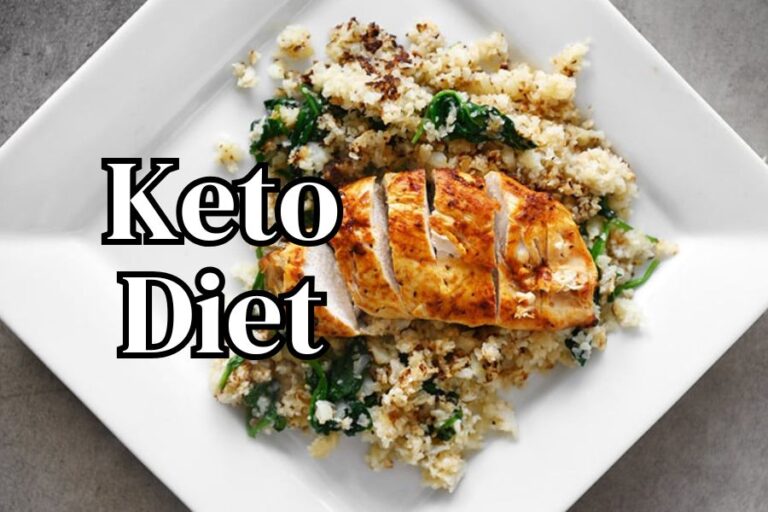
Low carbohydrate, calorie restriction, or both
A 12 week randomized trial of 302 adults in China compared three approaches: low carbohydrate, calorie restriction, and both combined (BMC Medicine).
Here is a quick comparison:
| Approach | Key idea | Average BMI change over 12 weeks | Extra benefits noted |
|---|---|---|---|
| Calorie restriction (CR) | Eat fewer calories overall | −1.3 kg/m² | Basic weight loss |
| Low carbohydrate (LC) | Reduce carb share to under 45 percent of calories | −2.3 kg/m² | More body fat loss than CR alone |
| LC + CR | Combine fewer carbs with fewer calories | −2.9 kg/m² | Larger drops in weight, waist size, body fat, and triglycerides |
In this study, the combined LC + CR approach was the most effective, and all three plans were considered safe with high adherence rates (BMC Medicine).
Other evidence suggests that, compared with low fat diets, low carbohydrate diets can lead to greater reductions in body weight, fat, and triglycerides, although questions remain about long term sustainability and bowel health (NCBI Bookshelf).
Mediterranean style pattern
The Mediterranean diet emphasizes:
- Plenty of vegetables and fruits
- Whole grains and legumes
- Olive oil and other healthy fats
- Moderate fish and poultry
- Limited red meat and sweets
This pattern is rich in fiber, antioxidants, and healthy fats. A review reported an average of 8.7 percent weight loss after 12 months on Mediterranean style diets, along with improved metabolic markers that lower the risk of type 2 diabetes and metabolic syndrome (NCBI Bookshelf).
Intermittent fasting
Intermittent fasting focuses on when you eat rather than what you eat. Common patterns include:
- Time restricted eating, such as eating within an 8 to 10 hour window each day
- Alternate day fasting, such as a lower calorie day followed by a regular eating day
Studies up to 2023 suggest intermittent fasting can support weight loss, better insulin sensitivity, improved blood pressure, and reduced cardiovascular risk. It may also be easier to maintain than constant calorie restriction for some people (NCBI Bookshelf).
If you have diabetes, take medications, or have a history of disordered eating, you should talk with your healthcare provider before trying fasting patterns.
Understand how carbs, fats, and your brain interact
Some of the more detailed research on dietary plans for obesity looks at how your brain and metabolism respond to different mixes of carbohydrates and fats.
Brain glucose sensing and weight gain
Studies in animals show that glucose sensing in your brain plays an important role in energy balance. When researchers chronically reduced glucose signaling in the brain, animals gained more body fat even though they did not eat more food (PMC – NCBI). This suggests that:
- Weight gain is not only about calories
- How your brain detects and processes nutrients affects your metabolism
High fat vs high carbohydrate patterns
Experimental work in mice found that:
- High fat diets tended to produce obesity because fat generates less post meal heat per calorie than carbohydrates, which can lower metabolic rate and promote fat storage (PMC – NCBI).
- In contrast, a very high simple carbohydrate diet reversed obesity and improved metabolic measures despite similar calorie intakes, possibly because more carbohydrate intake increased energy expenditure (PMC – NCBI).
In the same research, very low carbohydrate ketogenic diets with low protein also reversed adiposity in obese mice as quickly as high sucrose diets. One proposed explanation is that ketone bodies may help maintain certain energy processes in brain cells and keep post meal calorie burning higher, even when fat intake is high (PMC – NCBI).
These findings are complex, and animal data does not always translate directly to people. The main takeaway for you is that macronutrient balance affects more than just hunger. It also influences how your body burns or stores energy.
Make practical food swaps for daily life
Big ideas are helpful, but your dietary plan for obesity comes to life in small, repeatable choices.
Improve your fruits, vegetables, and grains
You can start with a few easy upgrades:
- Choose fruits that are fresh, frozen, or canned without added sugars or syrups. When you buy canned, look for options packed in water or their own juice to avoid extra calories (CDC).
- Fill half your plate with vegetables at lunch and dinner. Mix leafy greens with cruciferous vegetables to get more fiber and volume.
- Pick whole grains over refined grains because they contain more fiber and nutrients and help control how much you eat of these higher energy density foods (Mayo Clinic).
Adjust how you cook protein
Your cooking methods matter as much as your ingredient list:
- Bake, grill, or broil meats instead of frying or breading them to reduce calories and unhealthy fats (CDC).
- Swap some meat based meals for dishes built around dry beans or lentils, like chili, bean soups, or lentil stews. This can lower calories and add fiber.
A basic guideline from the Mayo Clinic Healthy Weight Pyramid is to emphasize lean proteins and limit fatty, heavily processed meats (Mayo Clinic).
Keep comfort foods in the picture
You do not have to abandon your favorite dishes to follow a dietary plan for obesity. The CDC suggests two helpful strategies (CDC):
- Enjoy comfort foods less often or in smaller portions.
- Create lighter versions with ingredient swaps.
For example:
- Use non fat milk and low fat cheese in macaroni and cheese instead of full fat dairy.
- Top baked potatoes with Greek yogurt and chives in place of sour cream and butter.
- Make pizza on a whole grain crust with extra vegetables and modest cheese.
These tweaks preserve the flavors you love while cutting calories, saturated fat, and added sugars.
Fit your plan into your larger lifestyle
Obesity management is about more than food. A 2023 review stresses that lifestyle modification is the first line of therapy, and that your diet should be tailored to your budget, culture, preferences, and other health conditions (NCBI Bookshelf).
Consider your daily routine
Ask yourself:
- When are you most hungry and when do you tend to snack mindlessly
- How often you can realistically shop and cook
- Whether you prefer structure, like fixed meal plans, or flexible templates
Your answers can guide whether a Mediterranean style pattern, low carbohydrate framework, intermittent fasting schedule, or another approach will be easiest to follow.
Support your plan with habits
Alongside your dietary plan for obesity, pay attention to:
- Movement. Regular physical activity improves health even before weight changes and helps maintain losses.
- Sleep. Poor sleep is linked to weight gain and more cravings.
- Stress. Chronic stress can push you toward emotional eating and may affect hormones involved in appetite.
Your weight loss journey will be smoother if all three support your eating changes.
Put everything together in a simple starting plan
To move from ideas to action, you can begin with one manageable week.
Here is an example of how you might combine several principles:
- Use the MyPlate layout at each meal.
- Start most lunches or dinners with a vegetable based broth soup.
- Choose an egg based breakfast with vegetables three or four days, and higher fiber cereal or oatmeal with fruit on other days.
- Make at least three dinners vegetarian or bean based.
- Swap refined grains for whole grains at one meal each day.
- Pick fruit for dessert or snacks most days, using smaller portions of sweets a few times a week.
As you settle into this pattern, you can adjust carbohydrate levels, meal timing, or overall calories based on how your body responds and any advice from your healthcare provider.
When to involve a professional
Because obesity often comes with other health conditions, it is wise to:
- Talk with your primary care provider before making major changes, especially if you take medications for diabetes, blood pressure, or heart disease.
- Work with a registered dietitian if you can. A dietitian can tailor a dietary plan for obesity to your medical needs, food preferences, culture, and budget.
Together, you can track progress, adjust your plan, and aim for that first 5 percent weight loss milestone and beyond.
Starting a new way of eating is easier when you take one step at a time. Choose one or two changes from this guide to try this week. As those become routine, add more. Over time, your daily choices can add up to significant, lasting improvements in your weight and your health.
About the Author