How keto affects your blood sugar
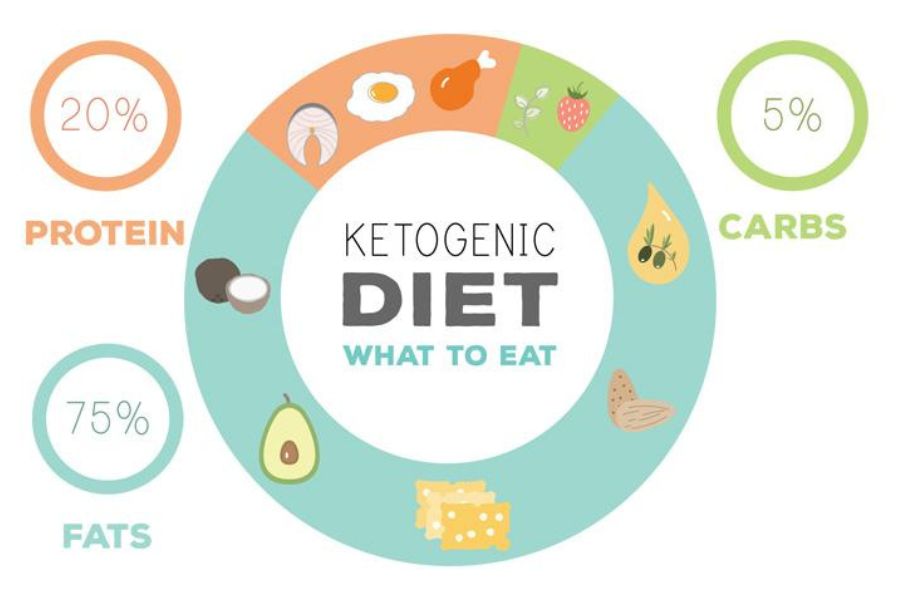
If you live with type 2 diabetes, prediabetes, or blood sugar swings, you have probably wondered how keto and blood sugar really fit together. A ketogenic diet typically limits you to about 20 to 50 grams of carbs per day and increases your fat intake. This shift pushes your body into a state called ketosis, where you burn fat for fuel instead of glucose.
On the surface, that sounds ideal for blood sugar control. Less carbohydrate in means less sugar in your bloodstream, right? That is partly true, but the full story of keto and blood sugar is more nuanced. Some people see dramatic improvements. Others struggle with side effects, adherence, or cholesterol changes.
Understanding what actually happens in your body can help you decide if keto is a smart tool for you or if a less restrictive plan might be safer and easier to sustain.
What ketosis is and why it matters
When you sharply cut carbs, your body has to find another fuel source. In response, your liver starts producing ketone bodies from fat. This is called physiological ketosis.
In nutritional ketosis, ketone levels usually land around 2 to 3 mmol/L, which research describes as an adaptive, normal response to low carbohydrate intake, not a dangerous state (PMC). This is very different from diabetic ketoacidosis, a medical emergency with extremely high ketone and blood sugar levels.
In ketosis, several key changes relate to your blood sugar and insulin:
- You rely less on glucose for energy.
- Your body makes less insulin, because there is less sugar to manage.
- Your cells may respond better to insulin, which is called improved insulin sensitivity.
Human studies reviewed in 2023 suggest that a ketogenic diet can improve insulin resistance in people with overweight or obesity, sometimes even before much weight loss occurs (PMC).
How keto can lower your blood sugar
You see a lot of bold claims about keto and blood sugar control. The research points to several real benefits, especially in the short term.
1. Fewer blood sugar spikes and crashes
By limiting carbs to about 20 to 50 grams per day, you remove most high glycemic foods that send blood sugar soaring. This can:
- Reduce post‑meal spikes
- Smooth out energy highs and lows
- Make it easier to keep readings in your target range
Reviews on keto and type 2 diabetes suggest that simply having fewer large blood glucose swings is one way the diet helps some people manage their condition (Medical News Today).
2. Improved insulin sensitivity
Several mechanisms behind keto and insulin sensitivity are emerging:
- Smaller, healthier fat cells: As you lose weight, your fat cells shrink and become more metabolically healthy, which tends to improve how your cells respond to insulin. Changes in adipose tissue quality and reduced inflammation appear to support better insulin sensitivity (PMC).
- Less fat stored in the wrong places: Losing weight on keto can reduce ectopic fat, or fat stored around the liver and muscles, which often interferes with normal insulin action.
- Possible direct effects of ketones: Ketone bodies themselves may influence energy metabolism in a way that supports insulin sensitivity, although this is still being studied (PMC).
Together, these shifts can help your body use insulin more efficiently, so you might need less of it to maintain stable glucose levels.
3. Weight loss that supports blood sugar control
For many people, one of the biggest strengths of keto is weight loss, especially in the first 3 to 6 months. Several factors are involved:
- Ketone bodies may have a direct appetite‑suppressing effect (PMC).
- Higher protein and fat intake can make you feel fuller longer.
- Some research suggests a small rise in energy expenditure when carbs are very low, although findings are mixed and the effect may be modest or temporary (PMC).
For people with type 2 diabetes and obesity, studies suggest that keto may support more weight loss than some other diets for up to about 6 months, which usually translates to better blood sugar numbers in that early window (Medical News Today).
4. Real‑world improvements in some cases
One case report from 2019 followed a 65‑year‑old woman with a 26‑year history of type 2 diabetes and major depressive disorder. She followed a clinically prescribed ketogenic diet for 12 weeks, combined with high intensity interval training and psychotherapy. Her results were striking:
- HbA1c dropped from 8.0 percent (diabetic range) to 5.4 percent, which is considered normal (PubMed).
- Average daily blood glucose fell from 216 mg/dL to 96 mg/dL (PubMed).
- Insulin sensitivity and triglyceride to HDL ratio improved by about 75 percent, pointing to better metabolic health and lower cardiovascular risk (PubMed).
This single case cannot predict your results, but it does show what is possible with careful medical supervision and a structured plan.
Where keto falls short for blood sugar management
The positive side of keto and blood sugar control gets a lot of attention. The limitations and risks deserve equal space if you are deciding what is right for you.
1. Limited evidence for long‑term diabetes management
A 2022 review of randomized trials on keto for type 2 diabetes found:
- Little evidence that keto is more effective than other dietary patterns for long‑term blood sugar control.
- No significant difference in HbA1c compared with a Mediterranean diet after 12 months (Medical News Today).
- Very high dropout rates in keto groups, up to 54 percent, highlighting how hard it can be to stick with this approach (Medical News Today).
In other words, keto may help your blood sugar in the short run, but many people do not stay on it long enough to maintain those benefits.
2. Medication changes and hypoglycemia risk
If you take insulin or other blood sugar‑lowering medications, keto can make your readings drop quickly. That may sound ideal, but it comes with a serious risk: hypoglycemia.
- Hypoglycemia is usually defined as blood glucose below 70 mg/dL.
- When you cut carbs sharply while still using your previous medication doses, your risk of going low rises, especially if you use insulin (Cleveland Clinic).
A 2022 meta‑analysis suggests that people with type 2 diabetes on keto may be able to reduce their need for antidiabetic medications for up to 12 months, but when carbs are reintroduced, medications often need to be increased again, and the risk of hypoglycemia remains a concern (Medical News Today).
This is one reason experts stress that anyone with diabetes should only try keto under close medical supervision.
3. Cholesterol and nutrient concerns
Some people focus on the “low carb” side of keto and forget to be picky about the types of fat they eat. That can be a problem if you already have heart disease risk factors.
In a Stanford Medicine trial that compared a very low carb ketogenic diet with a Mediterranean diet in people with type 2 diabetes or prediabetes, both diets:
- Cut HbA1c by a similar amount, 9 percent reduction with keto and 7 percent with Mediterranean (Stanford Medicine).
- Led to similar weight loss of about 7 to 8 percent over 12 weeks (Stanford Medicine).
- Improved fasting glucose, fasting insulin, HDL cholesterol, and ALT liver enzyme levels (Stanford Medicine).
The big differences showed up in cholesterol and nutrients:
- The ketogenic diet increased LDL cholesterol, the “bad” cholesterol (Stanford Medicine).
- The Mediterranean diet lowered LDL cholesterol and provided more fiber and several vitamins, including B6, C, D, E, thiamin, and phosphorus (Stanford Medicine).
Experts at the Cleveland Clinic also warn that keto often does not distinguish clearly between healthy fats like olive oil and nuts and less healthy saturated fats. For people with diabetes and high cholesterol, that pattern can raise heart risk, so many clinicians favor heart‑healthy plans like the Mediterranean diet instead (Cleveland Clinic).
4. Sustainability challenges
Strict keto typically requires you to avoid:
- Most fruits
- Whole grains
- Legumes
- Many packaged foods and restaurant dishes
In the Stanford study, participants generally found the ketogenic diet harder to follow long term than the Mediterranean diet. Three months after the trial ended, most people:
- Continued to enjoy lower blood sugar and weight.
- Adhered more closely to the Mediterranean diet than to keto (Stanford Medicine).
That finding matters because the “best” diet for blood sugar control is not just about what works in a lab. It is about what you can live with month after month.
Keto vs Mediterranean diet for blood sugar
You might be wondering how keto compares to one of the most recommended eating patterns for metabolic health: the Mediterranean diet.
Here is a quick side‑by‑side summary from the Stanford Medicine trial in adults with type 2 diabetes or prediabetes (Stanford Medicine):
| Feature | Ketogenic diet | Mediterranean diet |
|---|---|---|
| Carbs | Very low, about 20 to 50 g per day | Moderate, includes whole grains and legumes |
| Allowed plant foods | Non‑starchy vegetables only | Vegetables, fruits, legumes, whole grains |
| Blood sugar (HbA1c) change | About 9 percent reduction | About 7 percent reduction |
| Weight loss | About 8 percent | About 7 percent |
| LDL cholesterol | Increased | Decreased |
| Fiber and key vitamins | Lower intake | Higher intake (B6, C, D, E, thiamin, phosphorus) |
| Long‑term adherence | Harder to maintain | Easier to maintain |
Both eating patterns can help your blood sugar, at least in the short term. The key differences are sustainability and heart health markers like LDL cholesterol.
What experts currently recommend
Even with the promising early results on keto and blood sugar, many experts are still cautious.
Health sources that review current evidence conclude that:
- A strict ketogenic diet can lower blood sugar and promote weight loss in people with type 2 diabetes (Cleveland Clinic).
- Long‑term safety data is limited, especially over periods longer than a year (Cleveland Clinic, Medical News Today).
- There are real risks, including hypoglycemia, potential nutrient gaps, and LDL cholesterol increases, depending on how you structure the diet (Medical News Today, Stanford Medicine).
Because of these concerns, some experts do not currently recommend keto as a first‑line, long‑term strategy for type 2 diabetes management. Many prefer more moderate, heart‑healthy plans like the Mediterranean diet that are easier to maintain and still improve blood sugar.
If you are considering keto, the takeaway is not that you must avoid it, but that you should treat it like a medical intervention, not a casual trend.
How to decide if keto is right for you
Before you jump into strict carb counting, it helps to ask a few honest questions.
1. What are your health goals?
Keto might be worth exploring if you:
- Have type 2 diabetes or prediabetes and struggle with high blood sugar despite previous efforts.
- Want faster short‑term weight loss and you are open to a very structured plan.
- Have tried moderate carb approaches without much success, under medical guidance.
A different approach may be better if you:
- Already have high LDL cholesterol or known heart disease.
- Prefer an eating style that includes fruits, beans, and whole grains.
- Know that very restrictive rules tend to backfire for you.
2. Can you realistically stick with it?
It is easy to start strong and then burn out on a diet that cuts out many favorite foods. To gauge sustainability, consider:
- Do you cook at home most of the time, or do you rely heavily on restaurants and takeout?
- Are you prepared to read nutrition labels carefully and track carbs, at least at the beginning?
- Will keto fit your cultural, family, and social eating patterns?
The Stanford trial suggests that many people maintain Mediterranean‑style eating more easily than strict keto (Stanford Medicine). If you crave flexibility, a moderate carb, high‑fiber plan may serve you better in real life.
3. Do you have medical support?
This is not a do‑it‑yourself project if you live with diabetes or take blood sugar‑lowering medications.
Before you start keto, you should:
- Talk with your primary care provider or endocrinologist about whether it is appropriate for you.
- Ask about adjusting medications to reduce your risk of hypoglycemia.
- Plan for more frequent blood sugar checks, especially in the early weeks.
If keto is going to play a role in improving your blood sugar, you want it to be safe as well as effective.
If you try keto, how to do it more safely
If you and your healthcare team decide that a ketogenic diet is worth trying, a few practical steps can help you protect both blood sugar and long‑term health.
Prioritize nutrient‑dense foods
Instead of centering your meals on processed meats and butter, focus on:
- Non‑starchy vegetables like leafy greens, broccoli, cauliflower, and peppers.
- Healthy fats such as olive oil, avocado, nuts, and seeds.
- High quality protein from fish, eggs, poultry, tofu, and tempeh.
This approach borrows from the Mediterranean diet’s strengths while staying low carb.
Watch your blood sugar closely
Because keto can lower blood sugar quickly, especially if you are on medication:
- Check your glucose at the times your clinician recommends.
- Keep fast‑acting carbs on hand in case of hypoglycemia.
- Log your readings to spot patterns as your body adapts.
Share your numbers regularly with your healthcare team so they can fine‑tune your plan.
Monitor cholesterol and other labs
Ask your provider to follow:
- LDL, HDL, and triglycerides.
- Kidney and liver function.
- Key vitamins and minerals if your diet is very limited.
If your LDL climbs or you run into nutrient issues, it might be time to modify your fat sources, loosen carb restrictions, or transition toward a more Mediterranean‑style pattern.
Plan for the “after” phase
Keto is rarely forever. Many people move back toward a more moderate carb intake over time. The transition phase matters just as much as the weight loss phase.
You can make the shift gentler by:
- Slowly adding back whole food carbohydrates like berries, beans, and whole grains.
- Adjusting medications with your doctor as carbs increase and blood sugar responds.
- Keeping the habits that worked well, such as home cooking, label reading, and regular activity.
Think of keto, if you use it, as one part of a longer journey, not a stand‑alone fix.
Key takeaways on keto and blood sugar
When you put the research together, the surprising truth about keto and blood sugar is that it is neither a miracle cure nor a guaranteed problem. It is a powerful tool with real benefits and real trade‑offs.
Here is the bottom line:
- A well‑planned ketogenic diet can significantly lower blood sugar and improve insulin sensitivity in the short term, especially if you also lose weight.
- Some people even normalize long‑standing diabetes markers with a carefully supervised keto plan (PubMed).
- Long‑term data are limited and adherence is tough. Many people find more flexible patterns like the Mediterranean diet easier to maintain, with similar improvements in blood sugar and better LDL cholesterol and nutrient intake (Stanford Medicine).
- If you have diabetes, you should only start keto in partnership with your healthcare team, because of the risk of hypoglycemia and the need for medication adjustments (Cleveland Clinic, Medical News Today).
If you are curious about keto and blood sugar control, consider it one option on a spectrum. You do not have to choose between strict keto or doing nothing. You might adopt some low carb habits, shift toward a Mediterranean style, or try a time‑limited, supervised keto phase.
The most effective plan is the one that protects your blood sugar, supports your heart, and fits your real life well enough that you can keep following it.
About the Author