Why routine matters for emotional health
Your daily routine and mental health are more connected than they might seem at first glance. The way you move through your day, from when you wake up to how you wind down at night, quietly shapes your mood, energy, and ability to cope with stress.
Researchers have found that consistent routines reduce stress, improve sleep, and support overall psychological well-being by limiting the number of small decisions you have to make and giving you a sense of stability and control (WebMD, Ontario Psychological Association). In other words, your habits can either drain you or help you feel calmer and more grounded.
You do not need a strict, military-style schedule. You just need a predictable rhythm that works for your real life.
How routine shapes your mood
A good routine does more than organize your time. It supports your emotional health in several key ways.
Reducing stress and decision fatigue
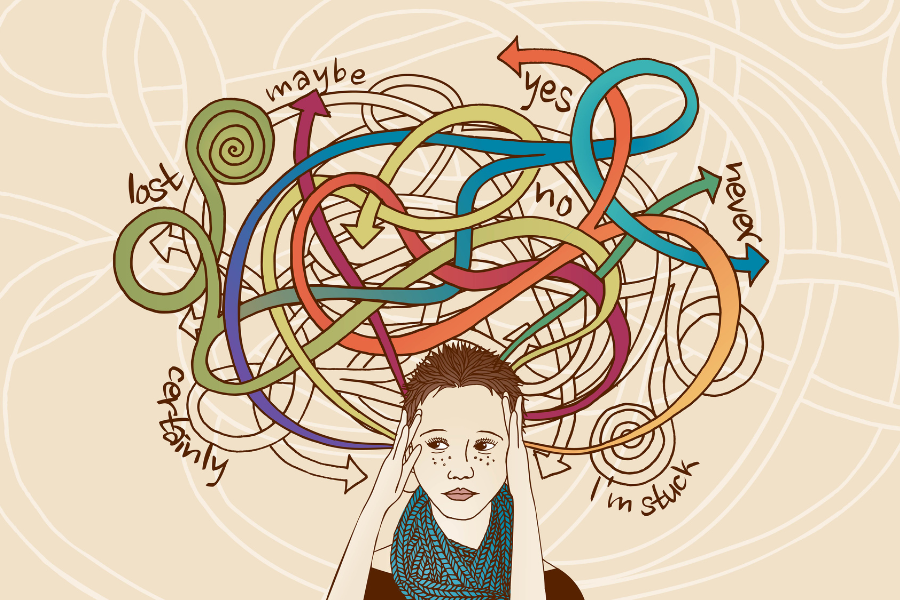
You make countless choices each day, from what to wear to when to answer messages. Each decision costs mental energy. When you have a simple routine for common tasks, you automatically reduce the number of decisions you need to make.
This matters for your mental health. By limiting decision-making, routines:
- Lower stress levels
- Free up energy for bigger or more meaningful choices
- Provide reassurance when you feel anxious or overwhelmed
Both WebMD and the Ontario Psychological Association highlight that predictable routines help you feel more in control and less mentally exhausted, especially if you live with anxiety or depression (WebMD, Ontario Psychological Association).
Creating stability during uncertainty
During times of change or crisis, a simple daily routine can act like an anchor. The Ontario Psychological Association notes that routines help you manage mental energy during stressful periods by grounding you in familiar patterns.
Research on the COVID-19 pandemic showed how disruptions to daily life, from sleep and work to social contact, were linked with worse mental and physical health worldwide (American Journal of Lifestyle Medicine, Journal of Global Health). When everyday cues like commute times, meal breaks, and social gatherings disappeared, many people experienced more anxiety, low mood, and sleep problems.
Reintroducing even small routines, like regular mealtimes or a set bedtime, can restore some sense of normalcy and control, which supports emotional resilience.
Supporting a sense of control and self‑efficacy
When your days feel chaotic, it is easy to feel helpless. Consistent routines work in the opposite direction. They:
- Add predictability to your day
- Help you see that your actions make a difference
- Build confidence that you can follow through on plans
Studies suggest that people with more structured daily routines tend to report lower levels of anxiety and depression, partly because routines foster predictability, control, and self-efficacy, or the belief that you can handle what comes your way (American Journal of Lifestyle Medicine).
The science behind routine and mental health
Understanding a few key ideas from mental health research can make it easier to see why even small routines matter.
Your body clock and social cues
Your internal body clock, or circadian rhythm, helps regulate sleep, energy, appetite, and mood. It depends not just on light and dark, but also on daily “social cues” like:
- When you eat
- When you go to bed and get up
- When you interact with others
- When you work or study
This is sometimes called the Social Zeitgeber Model. Regular routines help keep your body clock aligned. When these cues are constantly changing or disrupted, your sleep and mood can suffer (American Journal of Lifestyle Medicine).
A steady daily rhythm does not need to be rigid. It just needs to be regular enough that your body and brain know roughly what to expect.
Primary vs secondary routines
Researchers sometimes divide routines into two types (Journal of Global Health):
-
Primary routines
-
Sleep and wake times
-
Eating and hydration
-
Basic hygiene
-
Work or school hours that support your basic needs
-
Secondary routines
-
Exercise habits
-
Leisure activities
-
Social time
-
Hobbies or relaxation practices
When you feel stressed or overwhelmed, it is especially important to protect your primary routines first. If your sleep, meals, and basic care are unstable, your emotional health will feel fragile. Once those are more consistent, you can slowly rebuild or add secondary routines that bring you joy and connection.
Routine and specific mental health challenges
Routine supports many different mental health needs:
-
Anxiety and depression
Simple structures reduce the number of decisions you face and give your day more predictability, which can help you feel less overwhelmed and more hopeful about getting through tasks (Ontario Psychological Association). -
Sleep difficulties
A regular sleep schedule improves sleep quality and helps reduce problems like insomnia, which in turn supports mood and focus (WebMD). -
Bipolar disorder and mood disorders
Routines that stabilize your daily rhythms, including sleep and social contact, can help reduce mood fluctuations (WebMD). -
Addiction recovery
Routine can provide structure, reduce idle time, and support new habits that lower the risk of relapse (WebMD).
If you live with any of these conditions, it can help to work with a mental health professional to build routines that fit your specific needs and treatment plan.
Key elements of a mental health friendly daily routine
You do not need a perfect schedule to support your emotional health. Focusing on a few core elements of your daily routine and mental health can already make a difference.
Sleep that supports your mood
Good sleep is one of the strongest foundations for emotional health. Both WebMD and the Ontario Psychological Association emphasize that consistent sleep routines improve mood, concentration, and stress management (WebMD, Ontario Psychological Association).
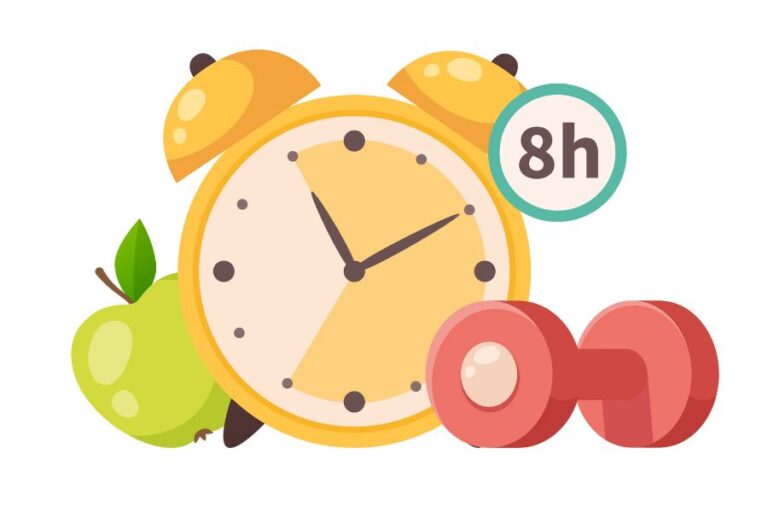
Mental Health America suggests aiming for around 8 hours of sleep and creating a cool, dark, and quiet bedroom to support rest (Mental Health America).
Simple ways to build a sleep routine:
- Go to bed and wake up at roughly the same time every day, including weekends
- Create a short wind-down ritual, such as reading, stretching, or light journaling
- Keep screens out of reach for at least 20 to 30 minutes before bed
- Reserve your bed for sleep and rest whenever possible
Regular meals and movement
What and when you eat, and how you move your body, both feed into your emotional state.
Studies show that steady meal and exercise routines support both physical and mental health and create a positive cycle with sleep and mood (WebMD, Ontario Psychological Association).
You can:
- Aim for meals around the same times each day to prevent energy crashes
- Keep simple, nourishing options on hand for low-energy days
- Add a small amount of movement daily, such as:
- A short walk outside
- Gentle yoga
- Stretching between tasks
Mental Health America notes that any daily movement that feels right for your body can be helpful for mental health (Mental Health America).
Built-in self-care and coping tools
Self-care is easier to practice when it is part of your routine rather than something you try to squeeze in only when you are already burned out.
The Ontario Psychological Association suggests including activities like:
- Mindfulness or meditation
- Walking outside
- Journaling
- Yoga
- Social connection
These practices can boost your mood and make it easier to handle challenges (Ontario Psychological Association).
Mental Health America also recommends:
- Short breaks during the day, such as:
- A brief nap when needed
- Quiet time in nature or by a window
- Daily journaling for about 10 minutes to process your thoughts and feelings (Mental Health America)
Even a single small practice, like writing a few lines each evening or taking a 10-minute afternoon walk, can become a reliable mental health tool once it is part of your routine.
A “calm space” at home
Your environment can either increase stress or help you relax. Mental Health America encourages creating a “calm space” at home with a few items that make you feel safe and comfortable, like:
- A soft blanket
- A favorite book
- A candle or lamp
- A photo or small plant
This area does not have to be large. It might be a chair near a window or one corner of your bedroom. The key is that your brain begins to associate this space with rest, which makes it easier to reset when you feel stressed (Mental Health America).
Routines for families and relationships
Your daily routine and mental health are not just personal. They also affect the people you live with.
Why routines matter for children
Family routines help children feel safe and steady. WebMD highlights that consistent routines can:
- Give kids a sense of security
- Improve social skills
- Support academic success
- Lower the risk of certain behavior problems linked to inconsistent schedules, such as oppositional defiant disorder (WebMD)
Predictable morning, homework, and bedtime routines show kids what to expect, which can reduce stress for both children and caregivers.
Shared routines that support everyone
Simple shared habits can strengthen emotional health and connection at home. For example:
- Eating one meal together without screens most days
- Having a short evening check in to talk about the day
- Planning a weekly family activity, such as a walk, game, or movie night
These small rituals act as regular social cues that help regulate your body clock and nurture emotional bonds (American Journal of Lifestyle Medicine).
Building a daily routine that fits you
The most effective routine is one that fits your life and personality, not someone else’s ideal schedule.
Personalize your routine to your traits
Psychology Today notes that tailoring your routine to your natural tendencies, such as being a night owl or more introverted, can better support your emotional well-being (Psychology Today).
Ask yourself:
- When do you usually feel most alert or creative?
- When do you naturally feel sleepy?
- Do you recharge more through quiet time or social contact?
Use your answers to make small adjustments. For example, you might:
- Put more demanding tasks at the time of day when you feel sharpest
- Schedule quiet breaks if you are easily drained by social interaction
- Plan social time at moments when you tend to feel low or sluggish, as long as this feels supportive rather than forced
Start small and build gradually
Trying to overhaul your entire life in a week is usually overwhelming. Both the Ontario Psychological Association and Psychology Today emphasize starting small, then gradually layering in new habits (Ontario Psychological Association, Psychology Today).
You might:
- Choose one area to focus on first, such as sleep or a short daily walk
- Add one small change, like a consistent bedtime or a five-minute morning stretch
- Practice that change until it feels fairly natural
- Only then, add another small habit
To help new routines stick, you can:
- Set a simple intention, such as “After dinner, I will take a 10-minute walk”
- Use reminders like alarms or notes on your phone or fridge
- Celebrate small wins, even if they seem minor
Over time, these small habits can add up to a routine that quietly supports your emotional health.
Allow for flexibility and self-compassion
Perfection is not the goal. Psychology Today points out that being gentle with yourself and accepting imperfect adherence to routines is actually healthier than rigid rules (Psychology Today).
Some days you will skip your walk or stay up too late. This does not erase your progress. It just means you are human. You can always:
- Notice what got in the way
- Adjust if needed
- Return to your routine at the next opportunity
Think of your routine as a flexible guide, not a set of strict rules you must follow exactly.
When to seek extra support
Routines can be powerful, but they are not a replacement for professional help when you need it.
Consider reaching out to a mental health professional if:
- Your mood is low most days and lasts for weeks
- Anxiety or worry regularly disrupts your sleep, work, or relationships
- You struggle to get out of bed or complete basic tasks
- Thoughts of self-harm or hopelessness are present
A therapist or healthcare provider can help you:
- Identify which parts of your current routine may be helping or harming
- Create realistic daily structures that support your treatment plan
- Use tools like reminders, social support, and technology to make routines easier to maintain (American Journal of Lifestyle Medicine)
Asking for help is a sign of care for yourself, not a failure of willpower.
Putting it all together
Your daily routine and mental health are constantly interacting. The small habits you repeat can either work against you or quietly support you.
To recap, you can support your emotional health by:
- Protecting primary routines like sleep, meals, and basic hygiene
- Adding simple secondary routines, such as movement, journaling, or time outside
- Creating predictable cues in your day that steady your body clock and mood
- Personalizing your routine to your natural rhythms and preferences
- Starting with one small change, then building gradually with self-compassion
You do not need to transform your life overnight. You can begin with a single step, such as setting a consistent bedtime or choosing a 10-minute daily walk. Over time, these small choices add up to a routine that helps you feel steadier, calmer, and more capable of handling whatever your day brings.
About the Author