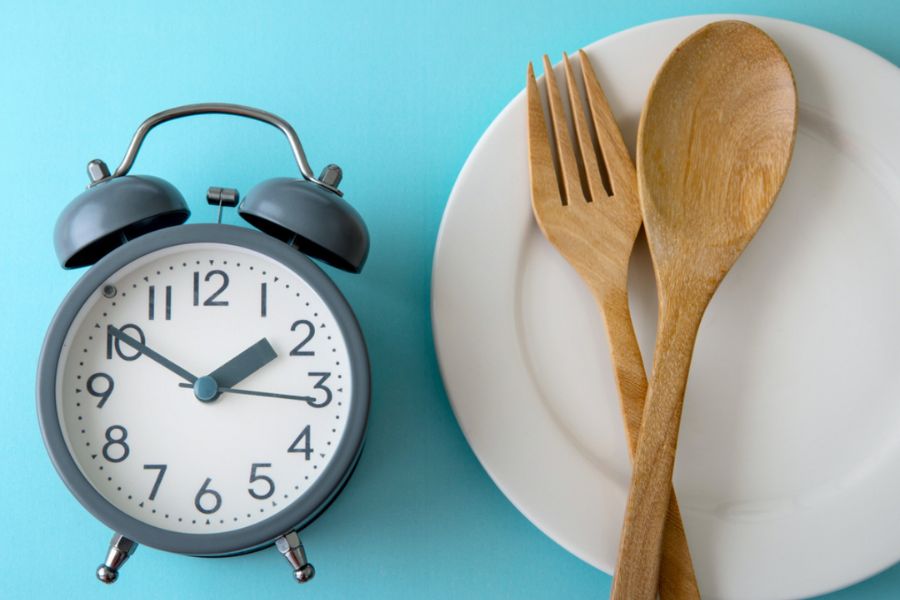
Understand how intermittent fasting affects muscle
If you want to build muscle intermittent fasting can feel confusing. You might hear that fasting burns fat, then panic when someone else says it also breaks down muscle. The truth is more nuanced. You can absolutely gain or maintain muscle with intermittent fasting, but you need to be deliberate about how you eat and train.
Intermittent fasting (IF) groups your calories into a shorter eating window and leaves extended periods without food. During those fasting hours your insulin levels drop and your body leans more on stored energy. This can support fat loss but it can also increase muscle protein breakdown if you are not getting enough protein and resistance training in your day (Frontiers in Nutrition).
Your muscles are constantly turning over. Muscle protein synthesis (MPS) builds tissue, and muscle protein breakdown (MPB) tears it down. Fasting shifts the balance slightly toward breakdown. Your job is to tip it back toward growth during your eating window with smart nutrition and training.
Weigh the pros and cons of fasting for muscle
Intermittent fasting is not magic, and it is not a muscle killer either. It is simply a tool with tradeoffs.
Potential benefits for muscle and body composition
Used well, fasting can support the physique you want.
-
Better fat loss while keeping muscle
Several trials that combine intermittent fasting with resistance training show that lean body mass is usually maintained while fat mass drops (Versa Gripps).
One 16:8 study in men found they preserved all their muscle while losing body fat when they lifted weights and ate enough protein (Simple.life). -
Simpler calorie control
A shorter eating window often makes it easier to avoid constant snacking. That can help you get into a modest calorie deficit so you lean out while protecting muscle through strength training. -
Hormonal and metabolic perks
Exercising while intermittent fasting may improve insulin sensitivity and influence hormones like growth hormone in ways that help you stay lean and support muscle repair (Prospect Medical).
Potential downsides for muscle building
There are tradeoffs to consider, especially if maximum muscle gain is your priority.
-
Harder to hit calorie and protein goals
Building muscle usually requires a slight calorie surplus. Cramming enough calories and protein into a 4 to 6 hour window can be tough. Even on a 16:8 plan you have fewer meals to spread your intake across (Simple.life). -
Muscle protein turnover is not ideal
MPS is maximally stimulated by about 0.25 to 0.3 grams of protein per kilogram of body weight per meal, and then your muscle is in a sort of refractory period for 3 to 5 hours (Frontiers in Nutrition).
Fewer meals mean fewer optimal MPS spikes, which is one reason some IF patterns can be suboptimal for muscle growth. -
Performance and energy can drop
Fasted training can leave you feeling flat or weak, especially for heavy lifting or long sessions. That can limit how hard you can train, which matters because training volume and progressive overload are primary drivers of muscle growth (Versa Gripps).
If your main goal is steady, sustainable fat loss with muscle maintenance, intermittent fasting can work very well. If your main goal is maximum size as fast as possible a traditional eating pattern might be simpler. You can still build muscle intermittent fasting, you just need a bit more planning.
Pick the right intermittent fasting schedule
Not all fasting protocols are equally friendly to muscle.
Why 16:8 is the sweet spot
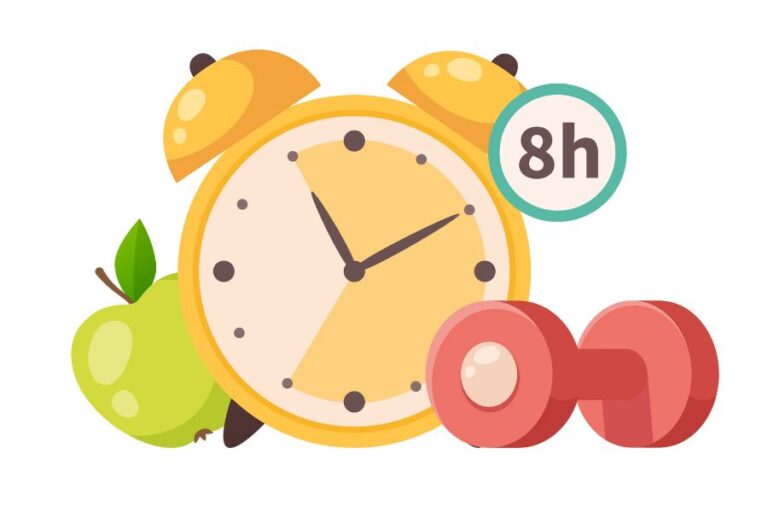
The 16:8 method, where you fast for 16 hours and eat within an 8 hour window, is often the best balance between fat loss and muscle support.
Research and coaching experience suggest that a daily 8 hour eating window gives you enough time to:
- Get sufficient total calories
- Reach a high daily protein target
- Fit in 2 or 3 solid, protein rich meals spread a few hours apart
A 16:8 schedule has been highlighted as an effective way to support muscle building and overall health, especially when your meals are built around balanced nutrients rather than just hitting protein alone (Protein Chefs).
Popular windows include:
- 10:30 a.m. to 6:30 p.m.
- Noon to 8 p.m.
These options often skip breakfast and keep all eating in the middle of your day so you can line training up with meals in a way that feels natural (Protein Chefs).
When to be careful with more extreme fasting
Very restrictive patterns, such as:
- One meal a day
- Alternate day fasting
- 20:4 schedules
make it much harder to:
- Hit calorie goals without digestive discomfort
- Distribute protein across multiple meals for repeated MPS spikes (Frontiers in Nutrition)
- Time workouts near food for energy and recovery
If muscle gain is important to you, start with 16:8. You can adjust later if you find a different pattern that still lets you train hard and eat enough.
Set up your calories and macros for muscle
Once you choose a fasting schedule, you need a basic nutrition framework.
Find your calorie target
Your calorie target depends on your goal:
-
Cut fat while keeping muscle
Aim for a small calorie deficit. Enough to nudge fat loss, not so deep that you feel drained or lose strength. -
Build muscle with minimal fat gain
Aim for a slight surplus, combined with heavy lifting. This is harder with fasting, so many people aim to hover around maintenance with a focus on performance gains and gradual body recomposition.
Because needs vary, treat any calculator as a starting estimate. Then track your body weight, energy and strength for a few weeks and adjust up or down by small amounts.
Prioritize protein to protect and grow muscle
Protein is your top priority if you want to build muscle intermittent fasting.
Research suggests:
- A minimum of about 1.6 grams of protein per kilogram of body weight per day supports muscle mass during intermittent fasting, especially with resistance training (Frontiers in Nutrition).
- You might benefit from going a bit higher, roughly 0.6 to 0.9 grams per pound of body weight per day, particularly if you are training hard and trying to gain muscle (Simple.life).
- Distribute protein across your meals instead of loading it all at once. Multiple protein rich meals lead to more frequent MPS spikes than a single huge meal (Frontiers in Nutrition).
During your eating window, aim for 2 or 3 protein focused meals that each provide roughly 0.25 to 0.3 grams of protein per kilogram of body weight. That aligns with what is known about maximizing MPS at each feeding (Frontiers in Nutrition).
Use carbs and fats to fuel performance
Carbs and fats are not the enemy when you are fasting. They are tools.
-
Carbohydrates
Help refill muscle glycogen and support harder training. Include whole food sources such as oats, rice, potatoes, fruit and whole grain bread in the meals around your workouts. -
Fats
Support hormones and help keep you full. Add foods like olive oil, nuts, seeds and avocado across your meals. During the 16:8 pattern, balanced meals that include healthy fats, proteins and whole food carbs tend to work best (Protein Chefs).
Think of protein as your non negotiable anchor and then adjust carbs and fats to fit your total calories and how you feel in your workouts.
Time your workouts around your eating window
When you train matters more on IF than it does on traditional diets because your access to food is limited.
Fasted vs fed training: what really matters
You might have heard that training fasted is uniquely powerful for muscle gain because of higher growth hormone. Current evidence suggests there is little difference in muscle growth between fasted and fed training when overall calories and protein are matched (Simple.life).
That means you can choose based on:
- When you have the most energy
- When it is easiest to eat before and after
- Your schedule
The priority is still high quality training and consistent nutrition, not the exact hour of the day.
Smart options for training timing
Here are three common approaches you can test.
-
Lift near the start of your eating window
For example, if you eat from noon to 8 p.m., train around noon and break your fast right after.Benefits:
- You get food quickly for recovery.
- You are not going into your workout depleted from a full day without calories.
- It becomes easy to stack a protein heavy meal and possibly a shake after training.
-
Lift mid window, then eat post workout and again later
This approach keeps your pre workout meal light, then you put most of your calories after you train. It works well if you feel sluggish with too much food in your stomach. -
Train fully fasted in the morning
Some people prefer to lift first thing and wait a couple of hours before eating to maintain higher growth hormone for a bit longer. Prospect Medical notes that waiting 2 to 3 hours after a fasted workout can enhance growth hormone levels and fat burning, though they advise eating sooner after heavy weight lifting or long endurance cardio to support recovery (Prospect Medical).
If you lift heavy or do long intense sessions, your safest bet is to train closer to your eating window and refuel shortly afterward with a meal that includes protein and complex carbohydrates (PureGym).
Focus your training on strength and progressive overload
Your training program does most of the work for your muscle gains. Fasting is just the context.
Make resistance training non negotiable
Every source in the research agrees that resistance training is essential if you want to build or maintain muscle while intermittent fasting:
- A systematic review of eight human trials combining IF with lifting found that lean body mass was generally maintained and many studies also reported significant fat loss (Versa Gripps).
- Studies with resistance trained men and women eating enough protein show that intermittent fasting preserves lean mass and enhances fat loss, although rapid size gains are less common (Versa Gripps).
- Simple.life highlights resistance training as essential for building muscle on a 16:8 schedule, and recommends adding moderate cardio a couple of times per week for fitness and recovery support (Simple.life).
Aim for:
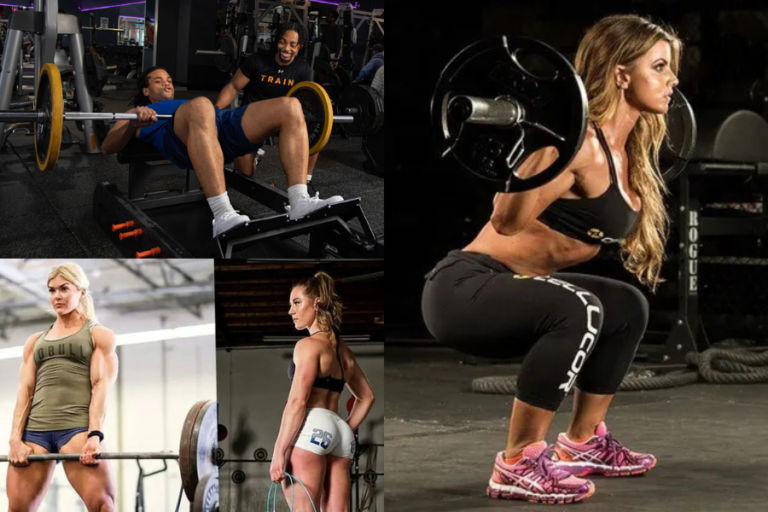
- 3 to 4 resistance sessions per week
- A mix of compound lifts like squats, deadlifts, presses and rows
- Gradually increasing weight or total reps over time
Training volume and progressive overload are the main drivers of muscle growth whether you are fasting or not (Versa Gripps).
Add cardio without sabotaging gains
You can still do cardio while fasting, especially if your goal includes fat loss and heart health. A few guidelines:
- Keep moderate intensity cardio to 2 or 3 sessions per week.
- Do very long or intense cardio sessions within or close to your eating window so you can refuel afterward.
- Do not let cardio volume creep so high that your strength sessions suffer.
Combining resistance training with moderate cardio can help you maintain lean mass while improving aerobic fitness, which in turn supports better lifting performance (Simple.life).
Plan your meals inside the eating window
With fewer meals you cannot afford to waste them on foods that leave you hungry or under fueled.
Build each meal around protein
Each time you eat is a chance to support MPS. Good protein options include:
- Eggs and egg whites
- Chicken, turkey or lean beef
- Fish and seafood
- Greek yogurt or cottage cheese
- Tofu, tempeh and legumes
- Whey or plant based protein powders
During the 16:8 window a mix of whole food proteins and supplements can make hitting your target far easier, especially if you struggle with appetite.
Fill the rest of your plate with nutrient dense foods
You still want fiber, vitamins and minerals to feel good and perform well. Within your window, use plenty of:
- Fruits, such as apples, berries and oranges
- Vegetables, such as broccoli, cauliflower and leafy greens
- Whole grains, such as quinoa, oats and barley
- Healthy fats, such as nuts and seeds
Protein Chefs highlights this broad mix as ideal for supporting muscle growth and energy on a 16:8 schedule (Protein Chefs).
Sample 16:8 structure for muscle support
Here is a simple way to organize your day if you train in the early afternoon and eat from noon to 8 p.m.:
-
12:00 p.m.
First meal: high protein, moderate carbs, some fats
Example: Chicken, rice, vegetables and olive oil -
2:00 p.m.
Strength training session -
3:30 p.m.
Post workout meal or shake: high protein plus carbs
Example: Protein shake and fruit or Greek yogurt with oats and berries -
7:00 p.m.
Final meal: high protein, balanced carbs and fats
Example: Salmon, sweet potato, salad, nuts
This is just one pattern, but you can see the logic: anchor the start and end of your window with strong protein meals and position your training where you can easily eat afterward.
Support recovery so your muscles can grow
Fasting adds an extra stressor. Recovery becomes even more important.
Sleep and stress management
You need enough good quality sleep to:
- Release growth hormone
- Restore glycogen
- Repair muscle tissue
Aim for a consistent bedtime and wake time and create a simple wind down routine. Keep caffeine and large meals away from the very end of your day when possible.
Hydration and supplements
You can drink water, black coffee and plain tea during your fasting window. Staying hydrated helps control appetite and supports training performance.
During your eating window, it can be helpful to use:
- Protein shakes to top up total protein intake
- Creatine monohydrate to support strength and power
- Essential amino acids if you struggle to meet protein targets with whole food
Versa Gripps highlights these as useful tools for supporting muscle adaptation and preventing fatigue when you combine intermittent fasting with lifting (Versa Gripps).
Adjust your plan based on your results
The best intermittent fasting setup is the one you can follow for months, not just days.
If you want to build muscle intermittent fasting, keep an eye on:
-
Body weight and measurements
Slow change over time is normal. Rapid drops may mean you are losing more than fat, especially if strength is falling. -
Workout performance
If your lifts are consistently going down or your energy feels flat, you may need a slightly larger eating window, more total calories or different training timing. -
Hunger and mood
Some discomfort is normal while you adjust. Constant irritability or brain fog is usually a sign to tweak your approach.
Intermittent fasting is flexible. You can shift your window, add a small pre workout snack within your window, or even cycle between fasting days and more traditional eating days if that supports your goals better.
The key is to treat your fasting schedule as one part of a bigger plan built on high protein intake, consistent resistance training and solid recovery. With that foundation you can lose fat and still build or maintain muscle while intermittent fasting.
About the Author