Starting a new fitness routine can feel intimidating, especially when it comes to strengthening your glutes. If you are looking for a beginner glute workout that boosts your confidence and helps you stay safe, you have come to the right place. Building a strong backside not only shapes your lower body but also supports everyday activities like walking, standing, and lifting.
Recognize why glute strength matters
Healthy glutes are key for stability and balance in almost all movements. When your glute muscles are strong, you may find it easier to climb stairs, maintain good posture, and reduce overall lower back tension. Strong glutes also help you generate more power in sports or workouts that require running and jumping.
Benefits for daily life
- Supports healthy spinal alignment
- Reduces stress on the lower back
- Makes climbing stairs or hills easier
- Helps prevent knee injuries by improving leg mechanics
Try essential beginner glute exercises
As you begin your glute-training journey, focus on movements that require little to no equipment. This approach allows you to learn proper form without the added challenge of heavy weights.
Glute bridge
- Lie on your back with knees bent and feet planted on the floor.
- Press your heels into the ground and lift your hips until your knees and shoulders form a straight line.
- Pause briefly, then slowly lower your hips back down.
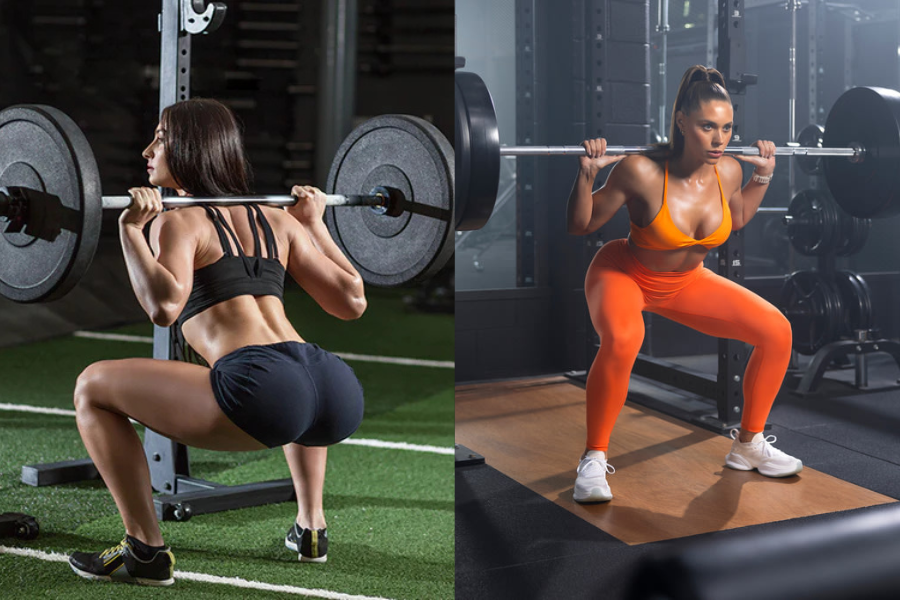
Bodyweight squat
- Stand with feet shoulder-width apart.
- Bend your knees and lower your hips as if you are sitting in a chair.
- Keep your back straight and push through your heels to stand.
Donkey kicks
- Begin in a tabletop position on hands and knees.
- Lift your right foot toward the ceiling, keeping your knee at a right angle.
- Squeeze your glutes at the top, then return your knee to the starting position.
Use correct form every time
Consistent form lays a solid foundation for safer, more rewarding workouts. Avoid rushing through reps. Instead, take slow, controlled movements that engage your core and keep your spine neutral.
Common alignment tips
- Keep your weight in your heels, especially during squats
- Tuck your belly button in to stabilize your core
- Distribute pressure evenly on both sides to prevent muscle imbalances
Create a balanced schedule
Your beginner glute workout routine should include rest days so your muscles can recover. Aim for two or three dedicated glute-focused workouts per week. On other days, you can try activities such as light cardio, stretching, or upper-body training. Gradually increase your workout intensity by adding repetitions, resistance bands, or light weights.
Sample weekly plan
- Monday: Glute-focused session (bridges, squats, donkey kicks)
- Tuesday: Rest or low-impact cardio (walking, cycling)
- Wednesday: Full-body or upper-body workout
- Thursday: Rest or gentle stretching
- Friday: Glute-focused session (repeat or vary exercises)
- Weekend: Active rest (light movement, yoga, or outdoor activity)
Track progress and stay motivated
Motivation is often highest at the start of a new routine. Keep it going by recording your reps, sets, and any improvements you notice. Celebrate small wins, like an extra set or heavier weights, to stay inspired.
Simple progress markers
- Keeping a workout journal
- Tracking how your clothes fit
- Checking if you can do more reps comfortably
- Feeling greater stability in daily tasks
By committing to a smart and consistent beginner glute workout, you set yourself up for stronger hips, improved posture, and a more active lifestyle. Give yourself time to adapt, and remember that proper form keeps your journey safe and enjoyable. With regular practice and patient progress, you will start to see and feel the benefits of a well-rounded lower-body routine.
About the Author