What the keto diet actually does
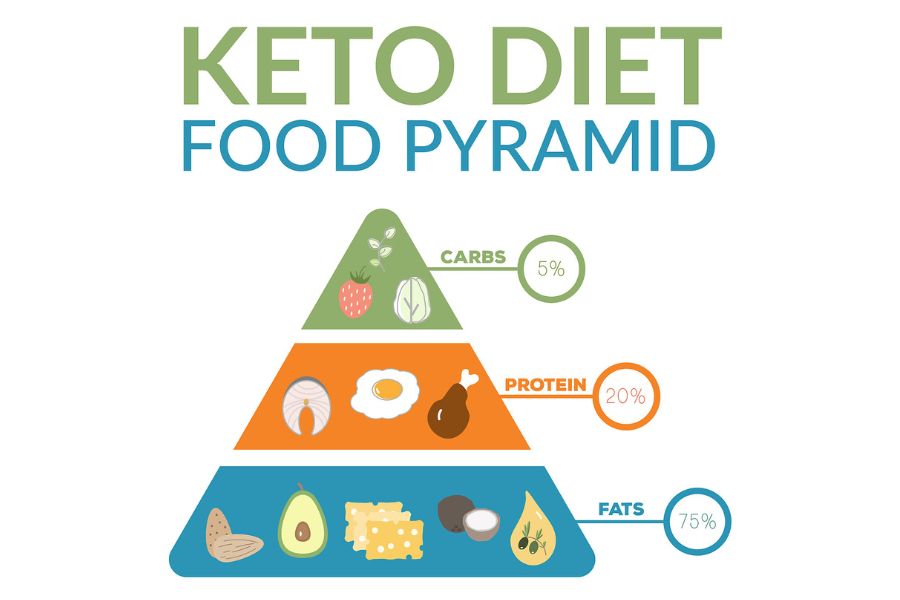
If you are curious about keto diet risks, you are probably also attracted to its promise of fast weight loss and better blood sugar control. The classic ketogenic diet is very high in fat, very low in carbohydrates, and moderate in protein. A typical medical version used for epilepsy provides about 75% of your calories from fat, 5% from carbs, and 15% from protein, and it usually takes around 72 hours of strict eating for your body to enter ketosis (University of Chicago Medicine).
In ketosis, you burn fat and produce ketones for fuel instead of relying on glucose from carbohydrates. This can lead to:
- Initial weight loss
- Lower blood sugar and insulin for a while
- Reduced seizure frequency in some people with severe epilepsy
Those short‑term wins are real for some people. The concern is what happens when you stay on a ketogenic diet for months or years, especially if your goal is weight loss and better health rather than seizure control.
Short term keto diet side effects
When you first switch to a very low carbohydrate intake, your body scrambles to adapt. You may feel that shift in several ways.
Keto flu and how it feels
Many people report a “keto flu” in the first days or weeks. According to ZOE, common symptoms include (ZOE):
- Headaches
- Muscle aches
- Fatigue or low energy
- Dizziness
- Mood swings
These symptoms usually improve as your body adjusts, but they can still make your daily routine harder while you are getting started.
Digestive issues and nutrient gaps
Because the keto diet restricts or eliminates many healthy carbohydrate sources like whole grains, beans, fruits, and starchy vegetables, you may not get enough fiber, vitamins, and minerals that support long‑term health (ZOE).
Short‑term effects can include:
- Constipation due to low fiber intake (ZOE)
- Low‑grade acidosis and low blood sugar, sometimes with dizziness and heart palpitations (ZOE)
- Bad breath from acidic ketones
Experts at University of Chicago Medicine also note common early risks like low blood pressure, kidney stones, constipation, and nutrient deficiencies (University of Chicago Medicine).
Social and lifestyle challenges
Keto is not just a food list, it is a lifestyle shift. Because so many everyday foods are off limits, you might notice:
- Difficulty eating out or sharing meals with friends
- More time spent planning or tracking what you eat
- A more rigid relationship with food
Dietitians from University of Chicago Medicine warn that keto can cause social isolation or even disordered eating in some people (University of Chicago Medicine).
Long term heart and metabolic risks
Many people try keto to “protect” their heart or blood sugar. However, the long‑term keto diet risks for your heart and metabolism may look very different from the short‑term benefits.
Effects on cholesterol and heart disease
Several reviews and expert statements raise concerns about keto and heart health:
- A 2021 review in Frontiers in Nutrition found that ketogenic diets significantly increase the risk of developing heart disease and LDL cholesterol buildup (Forks Over Knives).
- Harvard Health reports that ketogenic diets often lower triglycerides but raise artery‑clogging LDL cholesterol, especially when you rely on butter, cream, and fatty meats (Harvard Health Publishing).
- A review in Current Problems in Cardiology concluded that keto does not meet standards for a healthy diet and may not be safe for some people with heart disease (Harvard Health Publishing).
Low carbohydrate diets more broadly have also raised red flags:
- A 2019 American College of Cardiology study linked carbohydrate intakes of 44% of calories or less to an increased risk of irregular heart rhythms (Mass General Brigham).
- A 2018 Lancet Public Health meta‑analysis associated low carbohydrate diets with a higher risk of early death from heart and blood vessel diseases (Mass General Brigham).
When you rely heavily on saturated fat from animal sources, you are also likely eating more red and processed meat. The review authors connect that pattern to higher risks of colon cancer, heart disease, and other chronic conditions (Forks Over Knives).
Blood pressure and blood sugar over time
At first, you may see lower blood pressure and better blood sugar control on keto. Over time, those benefits tend to fade:
- Harvard Health notes that the short‑term improvements in blood sugar and blood pressure decrease as you stay on the diet longer (Harvard Health Publishing).
- Long‑term carbohydrate restriction can temporarily reduce insulin production, which may look helpful at first, but when you reintroduce carbohydrates later, you may develop insulin resistance and a higher risk of type 2 diabetes, especially if you already had insulin resistance (Mass General Brigham).
Your heart rhythm can also be affected. Electrolyte imbalances that come from cutting carbs can interfere with the electrical signals that control your heartbeat and may contribute to irregular rhythms (Mass General Brigham).
Possible kidney and liver damage
High fat, high protein diets like keto put more metabolic work on your kidneys and, in some cases, your liver.
Kidney strain and kidney injury
Several studies highlight how ketogenic diets can stress your kidneys:
- A 2023 case report described a 36‑year‑old woman with no prior kidney problems who developed acute kidney injury after two months of a ketogenic diet and more than 30 pounds of weight loss (NCBI PMC).
- High protein intake, especially above 1.5 grams of protein per kilogram of ideal body weight, increases acid load and phosphate content and is linked to inflammation and a higher risk of kidney stones (NCBI PMC).
- Long‑term high protein ketogenic diets have been associated with hyperfiltration and protein in the urine at first, which may progress to loss of kidney function over time. Population studies show a higher chronic kidney disease risk with high protein intake over 6 to 12 years (NCBI PMC).
If you already have kidney disease or even a single kidney, you are at greater risk. Clinical guidance recommends limiting protein to less than 1.2 grams per kilogram per day to avoid accelerating kidney damage (NCBI PMC).
Experts at University of Chicago Medicine also list kidney stones and serious renal impairment as possible ketogenic diet complications, although many kidney‑related issues can be reversible if the diet is stopped early enough (University of Chicago Medicine).
Fatty liver and metabolic complications
A long‑term University of Utah Health study in mice offers a window into what might happen when you stay on a ketogenic diet for many months (University of Utah Health):
- Mice on keto did not gain as much weight as those on a high‑fat Western diet, but their weight gain came mostly from fat mass, not lean tissue.
- They developed severe metabolic complications, including fatty liver disease. Male mice in particular showed significant fat buildup in the liver and worse liver function, while females did not show the same degree of fat accumulation.
- After 2 to 3 months, the keto‑fed mice had low blood sugar and insulin levels at baseline, but when given carbohydrates their blood sugar spiked dangerously high because they could not secrete enough insulin.
Researchers linked this impaired blood sugar regulation to stress in the insulin‑producing cells of the pancreas from chronic high‑fat exposure (University of Utah Health).
The encouraging part is that some metabolic problems improved when the mice stopped the ketogenic diet, which suggests that not all adverse effects are permanent. However, this research still raises important questions about long‑term safety in humans.
Keto risks for specific groups
Keto diet risks are not the same for everyone. For some people, the potential downsides are especially serious.
Pregnancy, fertility, and hormonal health
The 2021 Frontiers in Nutrition meta‑analysis flagged particular concerns for people who are pregnant or may become pregnant. The authors note that low carbohydrate diets are linked to:
- Higher risk of birth defects, including neural tube defects
- Increased risk of gestational diabetes, even with folic acid supplementation (Forks Over Knives)
Because pregnancy requires reliable access to carbohydrates, micronutrients, and fiber, the restrictive nature of keto can make it harder to meet those needs.
People with existing health conditions
Several groups are advised to avoid the ketogenic diet or only follow it with very close medical supervision:
According to ZOE, higher risk groups include (ZOE):
- People with osteoporosis, because keto may contribute to bone mineral loss
- People with IBS, because low fiber intake can worsen constipation
- Anyone with kidney problems, because of increased kidney strain
- Pregnant or breastfeeding women
- Children
- People who are underweight
- Anyone with a history of eating disorders, due to the restrictive nature of the diet
University of Chicago Medicine adds that people with pancreas, liver, thyroid, or gallbladder conditions should not follow a ketogenic diet, since it can worsen those conditions or introduce new complications (University of Chicago Medicine).
If you take medications for diabetes, you may need rapid adjustments in your dose when you start keto to prevent dangerous drops in blood sugar, especially if you use drugs that can cause hypoglycemia (University of Chicago Medicine).
Medication interactions and clotting risk
Harvard Health points out that extreme carbohydrate restriction can reduce intake of many fruits and vegetables. This can interfere with the anti‑clotting drug warfarin and may not be compatible with certain SGLT‑2 inhibitors that treat diabetes and heart failure (Harvard Health Publishing).
If you take these medications, medical supervision is especially important before you consider a ketogenic approach.
Weight loss, sustainability, and rebound
You might be wondering how to weigh keto diet risks against the hope of significant weight loss. It can help to look at what happens not only at the beginning but also after months and years.
Why weight loss often stalls or reverses
Many people see dramatic early weight loss on keto. Some of that loss is from water and glycogen, and some can be from fat. However, long‑term data for sustained weight loss on keto are limited.
Wellness dietitians at University of Chicago Medicine describe keto as a “quick fix” with poor sustainability. In their experience, many people eventually regain the weight they lost, and sometimes gain even more after stopping the diet (University of Chicago Medicine).
ZOE also notes that there is a lack of long‑term safety data on keto, and that restrictive diets in general may slow your metabolic rate for years, which can make weight regain more likely once you resume a more typical eating pattern (ZOE).
How food quality shapes your results
Some of the worst keto diet risks come from what you choose to eat to meet your macros. The 2021 review authors emphasize that many ketogenic diets are heavy in red and processed meats and high saturated fats. Those food choices have been associated with:
- Higher risk of colon cancer
- Increased heart disease risk
- Higher Alzheimer’s disease risk
- More severe COVID‑19 outcomes (Forks Over Knives)
ZOE highlights that relying heavily on animal fats and dairy can raise LDL cholesterol and that cutting plant foods means you get less prebiotic fiber that supports a healthy gut microbiome, which is linked to better metabolic and heart health (ZOE).
If you are determined to experiment with a lower‑carb style of eating, paying close attention to food quality, not just carb grams, becomes very important.
Questions to ask before starting keto
Keto diet risks do not mean that no one should ever consider it. However, they do mean you benefit from going in with your eyes open and with professional guidance.
Before you start, ask yourself:
- Do you have any kidney, liver, pancreas, thyroid, or gallbladder issues?
- Are you pregnant, planning pregnancy, or breastfeeding?
- Do you have a history of heart disease, arrhythmia, or high cholesterol?
- Do you take medications for diabetes, heart failure, or blood clotting?
- Have you struggled with disordered eating or very restrictive diets in the past?
- Are you prepared for the social and practical challenges of such a restrictive pattern?
If you answer “yes” to any of these, talk with a healthcare professional or registered dietitian before making big changes. Many experts caution against keto for people in these situations due to the greater risk of harm.
Safer ways to pursue weight loss and health
If your main goal is to lose weight and improve your health, you have options that do not carry the same level of uncertainty as long‑term keto.
When you compare keto to more balanced patterns, several points stand out:
- Ketogenic diets are highly restrictive, limit many plant foods, and often rely on high saturated fat intake.
- Balanced, plant‑forward patterns leave more room for whole grains, fruits, vegetables, legumes, nuts, and seeds, which support heart health, gut health, and blood sugar balance.
- Gradual, sustainable changes in eating and movement are more likely to last than a strict diet that you cannot realistically maintain.
You might decide that a moderate reduction in refined carbohydrates, paired with more fiber‑rich plant foods and reasonable portions of healthy fats, fits your life better than a fully ketogenic plan.
Key takeaways about keto diet risks
When you are weighing keto diet risks against potential benefits, it can help to keep a few key points in mind:
- The keto diet was originally designed as a medical therapy for severe, drug‑resistant epilepsy, not as a general weight loss tool.
- Short‑term benefits like rapid weight loss and improved blood sugar often fade, and long‑term data for heart health and sustained weight loss are limited.
- Evidence links ketogenic and very low carbohydrate diets with increased risks of heart disease, LDL cholesterol buildup, arrhythmias, kidney damage, and possibly fatty liver in some contexts (Forks Over Knives, Mass General Brigham, Harvard Health Publishing, NCBI PMC, University of Utah Health).
- Certain groups, including people with kidney disease, heart disease, IBS, eating disorders, and those who are pregnant or breastfeeding, face higher risks and are often advised to avoid keto.
- Many experts do not recommend keto for general wellness or long‑term weight management because of sustainability challenges and potential health harms.
If you are still considering keto, use what you have learned here as a starting point for a detailed conversation with a qualified health professional. That way, your next steps toward weight loss and better health can be both effective and as safe as possible for your unique situation.
About the Author