Quad workouts at the gym can do far more than just burn your legs out for a day. When you train your quadriceps with a plan, you build stronger knees, more powerful sprints, and thicker, more muscular thighs that look and perform better.
To get there, you need to hit all four quad muscles, use the right exercises, and give yourself enough weekly volume to grow. This guide walks you through exactly how to do that, from beginner friendly moves to heavy machine work.
Understand your quad muscles
Your quadriceps are a group of four muscles on the front of your thighs: the Rectus Femoris, Vastus Lateralis, Vastus Medialis, and Vastus Intermedius. Effective quad workouts at the gym make each of these muscles work hard so your thighs look balanced from every angle.
You train all four any time you straighten your knee under load, like during squats, leg presses, and leg extensions. You can subtly shift emphasis to different areas of the quads by changing stance width, heel elevation, and torso angle.
If your current routine is mostly back squats and nothing else, you are probably leaving quad growth on the table. Adding exercises that increase knee bend and keep your torso more upright will move more work toward your quads and away from your hips and lower back.
Plan your weekly quad training
To build bigger, stronger quads you need two things: enough hard sets each week and enough recovery between those sessions.
A practical benchmark for growth is at least 10 working sets for quads per week in the classic hypertrophy rep range of 8 to 12 reps for 3 to 4 sets per exercise. You can split that into two lower body days, for example a Monday and Thursday leg session, so you have at least 48 hours between heavy quad workouts for your muscles to recover and adapt.
That might look like two quad focused exercises per workout, five or more working sets total each day. As long as you are pushing close to muscular fatigue with good form, this type of structure gives you the stimulus and the rest your quads need to grow.
A simple rule of thumb: if you can breeze through your quad sets while chatting, you are probably not training hard enough for noticeable growth.
Start with quad focused squats
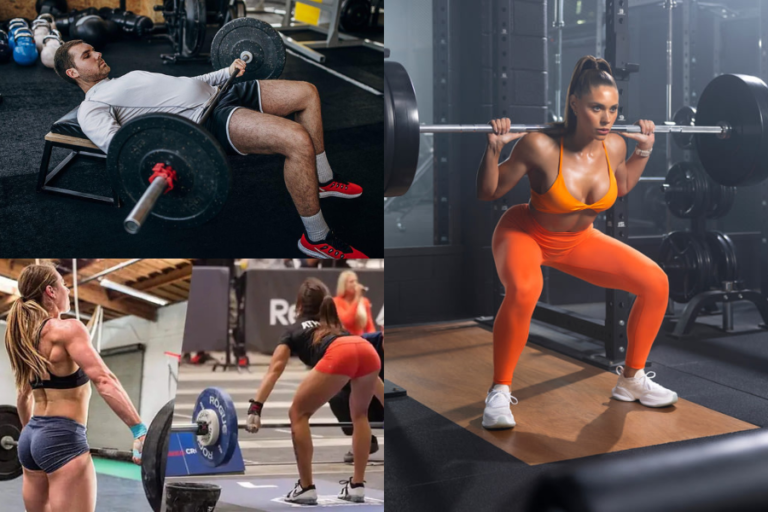
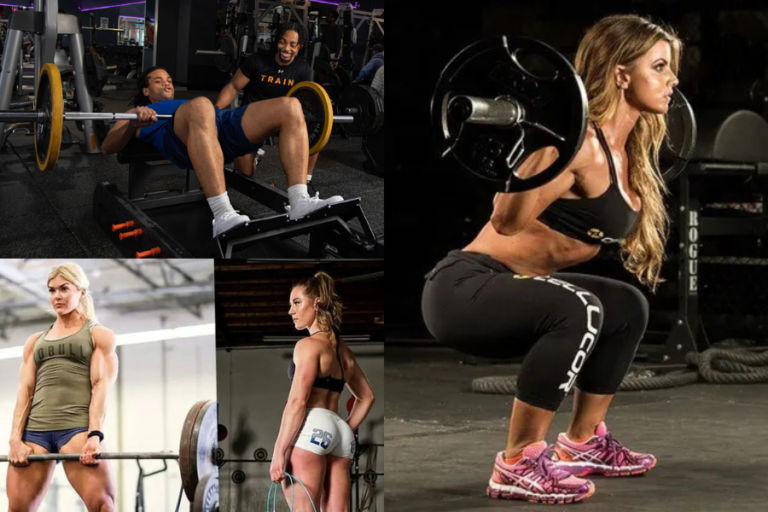
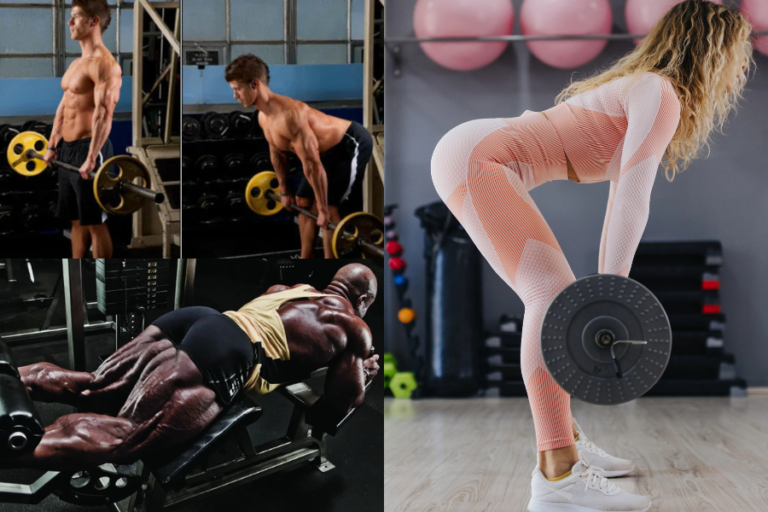
Squats will likely sit at the center of your quad workouts at the gym. The key is choosing variations that load the front of your thighs instead of making your hips and lower back do most of the work.
Barbell front squat
The barbell front squat builds serious lower body strength and is one of the best squat variations to target your quads. With the bar held in front of your shoulders, your torso has to stay more upright. This increases the bend at your knees and pushes more tension into the quadriceps while placing less force on the knees and lower back compared with some heavy back squat techniques.
Set the bar on your front delts, brace your core, and sit straight down between your hips, letting your knees travel forward over your toes as long as they feel comfortable. Start lighter than you think you need so you can learn the position without dumping the bar forward.
Heel elevated goblet squat
If you are newer to squats or have a hard time staying upright, the heel elevated goblet squat is one of the most friendly quad workouts in the gym. Holding a dumbbell or kettlebell at chest height gives you a counterbalance, which helps you sit deeper without rounding your back. Elevating your heels on a small plate or wedge lets your knees travel forward and shifts more load to the quads.
A simple starting point is 2 sets of 10 reps with about 60 seconds of rest. Focus on smooth, controlled reps and pausing briefly at the bottom so you do not bounce out of the hole.
Hack squat and sissy squat
If your gym has a hack squat machine, you can use it to hammer your quads without worrying about balance. The machine supports your upper body and keeps you in a fixed path so your quads have to do the bulk of the work. Placing your feet lower on the platform and keeping your hips from shifting too far back will increase quad engagement.
Sissy squats are a more advanced option that heavily isolate the quads by allowing the knees to travel far forward while you lean your torso back. Many lifters find these very intense on the knee joint, so only add them once you are pain free and very confident with basic squats.
Use machines to drive quad growth
Machine work can be a powerful way to focus on your quads because you remove balance and coordination as limiting factors. This can let you push closer to muscular failure safely.
Leg press for heavy loading
The leg press is one of the best machine choices for quad focused training when you use it with intention. Placing your feet lower on the footplate and a bit closer together increases knee flexion and places more stress on the quads. Control the negative, stop just short of locking out your knees, and avoid letting your lower back round off the pad.
It is tempting to treat the leg press as an ego lift and stack on as many plates as possible. You will grow more, and protect your joints, if you pick a weight that lets you move through a full range of motion and feel your quads working hard on every rep.
Hack squat or plate loaded squat machine
A plate loaded squat machine or hack squat setup lets you squat heavy with less demand on your lower back. One effective approach is a reverse pyramid scheme. Start with your heaviest set for lower reps, then drop the weight a bit and increase the reps on the next sets.
You can also pause briefly at the bottom of each repetition before driving back up. That pause removes momentum and forces your quads to contract hard from a dead stop. If you cannot maintain a strong quad contraction as you stand, reduce the load until you can.
Leg extension for isolation
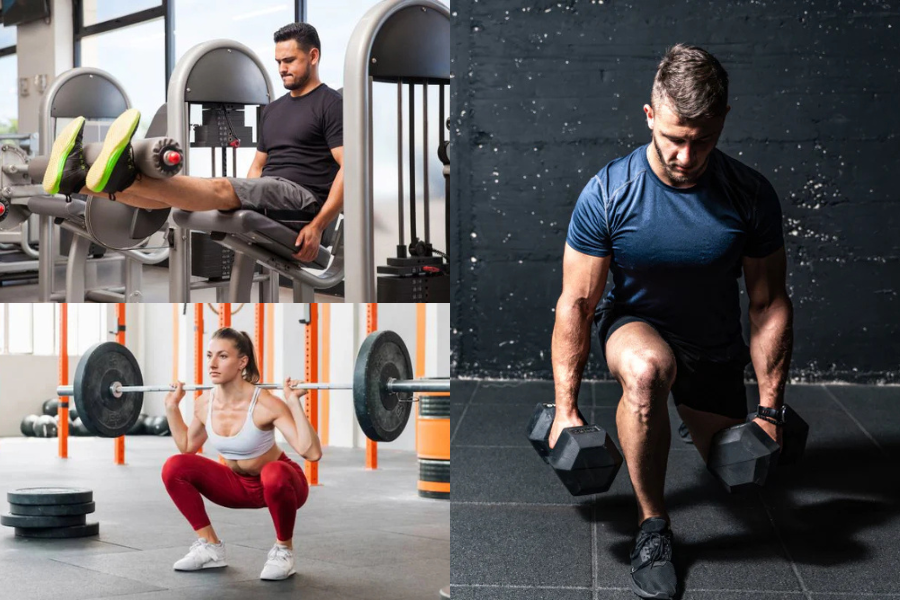
Seated leg extensions isolate the quadriceps in a way no other exercise can. This is especially helpful if you are a beginner, if you are returning from injury, or if you want to finish a workout by pushing your quads to their limit without stressing the rest of your body.
You can make leg extensions even more effective by using single leg sets or pausing at the top to squeeze your quads. A popular finishing method is to start with your weaker leg for 10 reps, then go to the other leg for 10, back to the first for 9, and so on, reducing one rep each round until you reach 1 rep per leg. Follow that with a final max rep set on each leg to really challenge muscular endurance and address any imbalances.
Add unilateral exercises for balance
Training one leg at a time helps you spot and correct side to side differences, improves balance, and can actually increase quad activation because you are not able to lean into your stronger side.
Lunges and split squats
Basic split squats and lunges are highly effective quad workouts at the gym when you set them up correctly. In a split squat, you step one foot forward and one foot back, then lower your hips straight down. Keeping your torso upright and allowing your front knee to travel over your toes will emphasize the quads. Holding dumbbells by your sides will increase the intensity once bodyweight is too easy.
You can start with 2 sets of 10 reps on each side with about 30 seconds of rest between legs. Focus on smooth movement, not speed. Over time, try elevating your front foot on a small plate or step so you get more knee bend and a deeper stretch.
Bulgarian split squats
Bulgarian split squats are a more advanced variation where your back foot rests on a bench. This setup isolates the front leg, gives your quads a strong stretch, and demands good balance. A shorter stance and an upright torso with your front knee tracking over your toes will light up the quads even more.
Because these are demanding, you can keep the volume modest, such as 2 sets of 10 reps per side with 30 seconds rest. When your bodyweight sets feel solid, add light dumbbells and build up gradually.
Step ups and box jumps
Step ups target your quads, hamstrings, and glutes. Choose a stable bench or box, plant your whole foot on the platform, and drive through your midfoot to stand up without pushing off the back leg. Increasing the box height or holding dumbbells will make these more challenging.
Box jumps are a simple way to build explosive power in your quads. Jump onto a sturdy box, land softly, and briefly hold the landing position to train control, not just height. A structure of 2 sets of 10 reps with 30 seconds rest works well when you do not combine them with too much other plyometric work in the same session.
Try a sample quad focused gym workout
Here is how you might bring all of this together into a practical quad workout at the gym. Adjust sets or exercises based on your level, but keep the general structure of squats, machine work, and unilateral moves.
- Heel elevated goblet squat, 3 sets of 8 to 12 reps
- Hack squat or plate loaded squat machine, 3 sets of 8 to 12 reps, pause at the bottom
- Leg press with low foot placement, 3 sets of 10 to 12 reps
- Bulgarian split squat, 2 sets of 8 to 10 reps per leg
- Leg extensions, single leg finisher, descending from 8 to 10 reps per side down to 1, then 1 max rep set per leg
Rest 60 to 90 seconds between most sets, and slightly longer before your heaviest squat sets. On a second leg day later in the week, you can swap in front squats, step ups, or lunges so you get variety without changing the overall focus on your quads.
Protect your quads and knees
Hard quad workouts at the gym are productive, but only if you stay healthy enough to train consistently. Quadriceps strains often show up in people who do a lot of sprinting, jumping, or quick changes of direction, and chronic issues like quadriceps tendonitis can build up gradually and get worse with activities like stair climbing or squatting.
A few habits can lower your risk:
- Spend time warming up before heavy sets, instead of jumping straight into max loads
- Include quad friendly stretches and soft tissue work, such as foam rolling your quads and adductors, to relieve tension and keep your muscles moving well
- Build strength progressively instead of adding large jumps in volume or load from week to week
- Pay close attention to technique, especially during high impact or repetitive movements
- Make room for rest days and cross training so you are not stressing the same tissues in the same way every day
If knee or quad pain starts to interfere with daily life, it is worth getting professional guidance. Some providers combine hands on treatment with active rehab to address the root cause instead of only chasing symptoms. Supportive knee braces, like the kind that offload stress from the quads and stabilize the joint, can also be helpful in certain high stress gym activities or as part of a recovery plan.
Bring it all together
When you think about your next quad workouts at the gym, focus on three things: targeting all four quad muscles with a mix of squats, machines, and single leg work, training hard in the 8 to 12 rep range for enough total weekly sets, and protecting your joints with smart warm ups and gradual progression.
You do not need a complicated plan to grow your quads. Pick two or three of the exercises here, train them twice a week with intent, and track your loads and reps over time. As the numbers move up and your form stays tight, your legs will follow.
About the Author